Dead Internet Theory Tour Brings Y2K Hardware and Retro Computing to New York City
After securing new sponsorship, the Los Angeles-based vintage computing exhibition expands nationally with a Wednesday debut in New York.
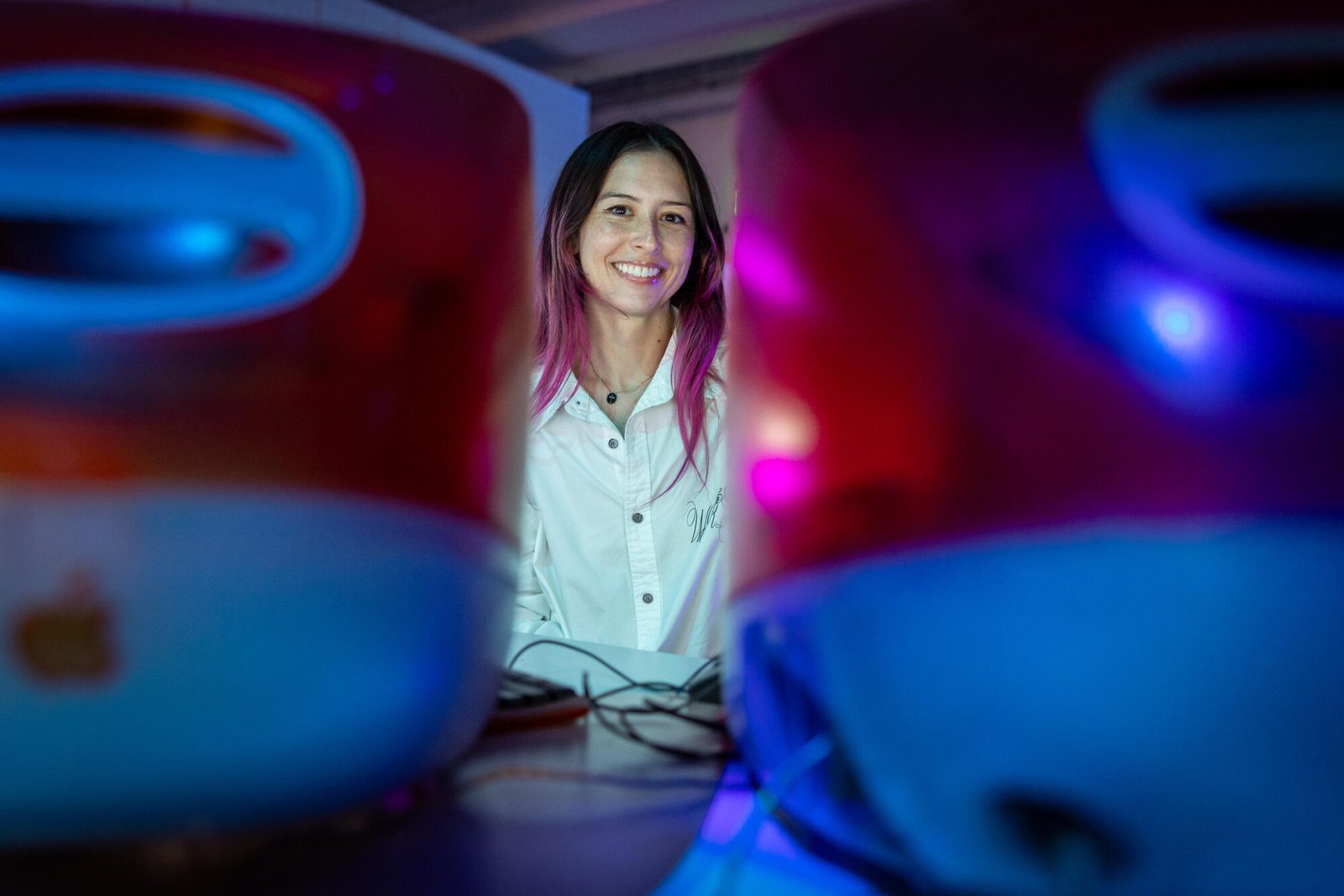
A Los Angeles pop-up event built around obsolete Apple hardware and 1990s gaming consoles has secured corporate sponsorship to launch a national tour, starting with a scheduled appearance in New York City on Wednesday.
Dead Internet Theory, created by game designer Paizley Lee, operates as an interactive exhibition where attendees use original late-1990s and early-2000s technology. The name deliberately co-opts a fringe conspiracy theory suggesting the modern web is populated primarily by automated bots and artificial intelligence, repurposing the phrase to critique current algorithmic internet culture through hands-on historical contrast.
The touring installation centers on a complete collection of Apple iMac G3 desktop computers. Introduced in 1998, the translucent, all-in-one machines were instrumental in reversing Apple’s financial decline under Steve Jobs, selling millions of units by eliminating floppy drives and popularizing USB ports for consumer peripherals. Lee spent months driving across the United States to acquire every production color variant, including the five original fruit-named releases—blueberry, strawberry, lime, tangerine, and grape—as well as later graphite, ruby, indigo, sage, snow, and limited-edition models.


Rather than wiping the decades-old hard drives, Lee preserved the original user data found on the machines, which included personal resumes, family photographs, and word processing documents. She installed a functional replica of the turn-of-the-millennium internet alongside the archived files, embedding clues into the desktop environments that guide users through an original mystery game.
The cultural appetite for this specific era of computing aligns with a broader resurgence in Y2K aesthetics and physical media ownership. As streaming platforms routinely remove films and television series from their libraries without warning, consumers have increasingly returned to purchasing DVDs, Blu-rays, and vinyl records to guarantee permanent access. Dead Internet Theory applies that same preservationist impulse to early personal computing.
This push for data autonomy was demonstrated at a recent Fairfax District gathering by artist Dan Ruth, who recently acquired the trademark rights to Iomega’s Zip and Jaz storage systems. Dominant throughout the 1990s before broadband internet and cloud infrastructure rendered them obsolete, Zip drives allowed users to store up to 100 megabytes—and later 750 megabytes—on removable magnetic disks. Ruth configured a vintage laptop connected to an external Zip drive, allowing attendees to download and permanently store banned texts, including the Unabomber manifesto, onto physical disks roughly the size of a standard floppy.
Other stations featured Sega Dreamcast consoles running the 1999 arcade port “Crazy Taxi” and Sony PlayStation 2 systems playing “Tekken 5.” First-generation Apple iSight webcams, originally released in 2003 for early video conferencing via iChat, were reactivated to run Apple’s Photo Booth software, replacing smartphone cameras with low-resolution, mid-2000s digital photography.
Lee initially organized the gatherings to provide a venue for hardware hackers and vintage tech enthusiasts who lacked public spaces to demonstrate modified legacy equipment. While the events have exclusively taken place in Los Angeles until now, demand from organizers in Seattle, Nashville, and Dallas prompted the search for financial backing. A sponsor finalized an agreement with Lee shortly after the most recent La Brea Avenue event, funding the cross-country logistics required to transport the fragile CRT monitors and aging logic boards.
During the transit to the East Coast, Lee stopped near Red Lodge, Montana, where she located another blueberry iMac G3 stored in the basement of a local bed and breakfast. After spending an hour repairing the machine to boot its operating system, the property owner recovered long-forgotten digital archives, including childhood school projects and photographs of her daughters. The innkeeper subsequently donated the computer to the touring exhibition.
The New York City pop-up is scheduled to open Wednesday.