Wilbur Ross Warns $166 Billion Tariff Refunds Are Enriching Importers Instead of Consumers
Structural flaws in reimbursement process risk turning court-mandated payouts into corporate profits rather than consumer relief
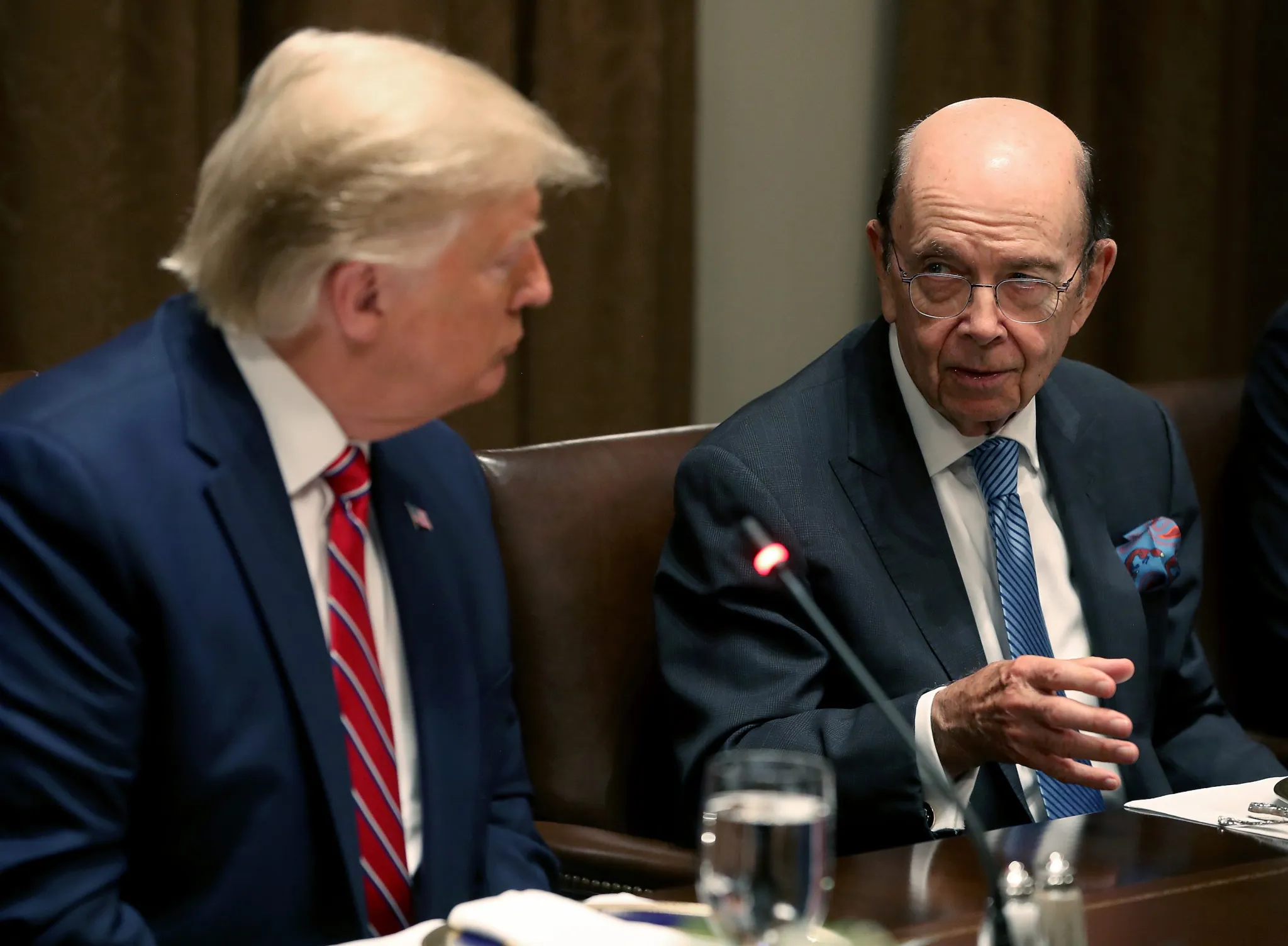
Former Commerce Secretary Wilbur Ross has raised significant concerns regarding the distribution of approximately $166 billion in tariff refunds mandated by a recent Supreme Court ruling, arguing that the current reimbursement mechanism is structurally flawed and likely to result in a corporate windfall rather than consumer relief. Ross contends that because importers typically pass tariff costs down the supply chain, refunding the full amount to companies effectively pays them twice: once through higher prices charged to customers during the collection period, and again through direct government reimbursement.
The controversy stems from a fundamental disconnect between legal liability and economic incidence in U.S. trade law. While importers are the entities that write checks to Customs and Border Protection, Federal Reserve data indicates that American households bore roughly 90% of the cost of second-term tariffs through price increases. Ross described this dynamic as creating an unintended profit center for businesses that successfully shifted the tax burden. If an importer passed on half the tariff cost but receives a full refund, the company retains the difference as margin expansion, leaving the end consumer without restitution despite having paid the effective tax.
Corporate responses to the refund mandate have been inconsistent, highlighting the lack of a standardized framework for returning funds to affected buyers. Logistics giants UPS and FedEx have pledged to return refunds to customers, acknowledging the pass-through nature of their pricing models. Conversely, Amazon reported receiving approximately $640 million in refunds during the second quarter and indicated it may limit repayments to specific customer segments. This position has triggered class-action litigation filed in May, with plaintiffs arguing that consumers are entitled to the funds. Amazon’s finance chief has countered that the company largely absorbed tariff costs, a claim that directly contradicts the premise of full consumer pass-through cited in broader economic analyses.


Ross’s critique also underscores a dramatic evolution in executive trade authority between the first and second Trump administrations. During his tenure, tariff policy operated primarily under Section 232 of the Trade Expansion Act of 1962, which restricts presidential action to national security threats involving specific sectors like steel and aluminum. The subsequent shift to the International Emergency Economic Powers Act (IEEPA) removed these sectoral limitations, allowing tariffs to be deployed as leverage in non-trade disputes, including diplomatic conflicts such as the 40% duty imposed on Brazilian imports related to the prosecution of former President Jair Bolsonaro.
This expanded statutory authority was reinforced by consolidated political control. Unlike the first term, when Congress and the Republican Party occasionally checked executive trade actions, the second term featured unified government alignment that insulated tariff decisions from legislative oversight. Ross noted that this political environment transformed tariffs from a narrow tool for correcting trade imbalances into a broad instrument of foreign policy and domestic economic management. He emphasized that the decision to expand tariff utility beyond trade deficit reduction was a presidential directive rather than a recommendation from the Commerce Department.
Legal experts note that the Supreme Court’s refund order addressed the constitutionality of the collections but did not establish a mechanism for downstream consumer compensation, leaving the issue to be resolved through private litigation and voluntary corporate compliance. Without congressional intervention to create a consumer restitution framework or amend customs laws to account for economic incidence, the $166 billion payout will continue to flow exclusively to importers of record regardless of who ultimately funded the original revenue.