
Hidden Touchscreen Steers Tesla’s Driverless Cybercab, Audit Reveals
Hidden Touchscreen Steers Tesla’s Driverless Cybercab Amid Federal Audit
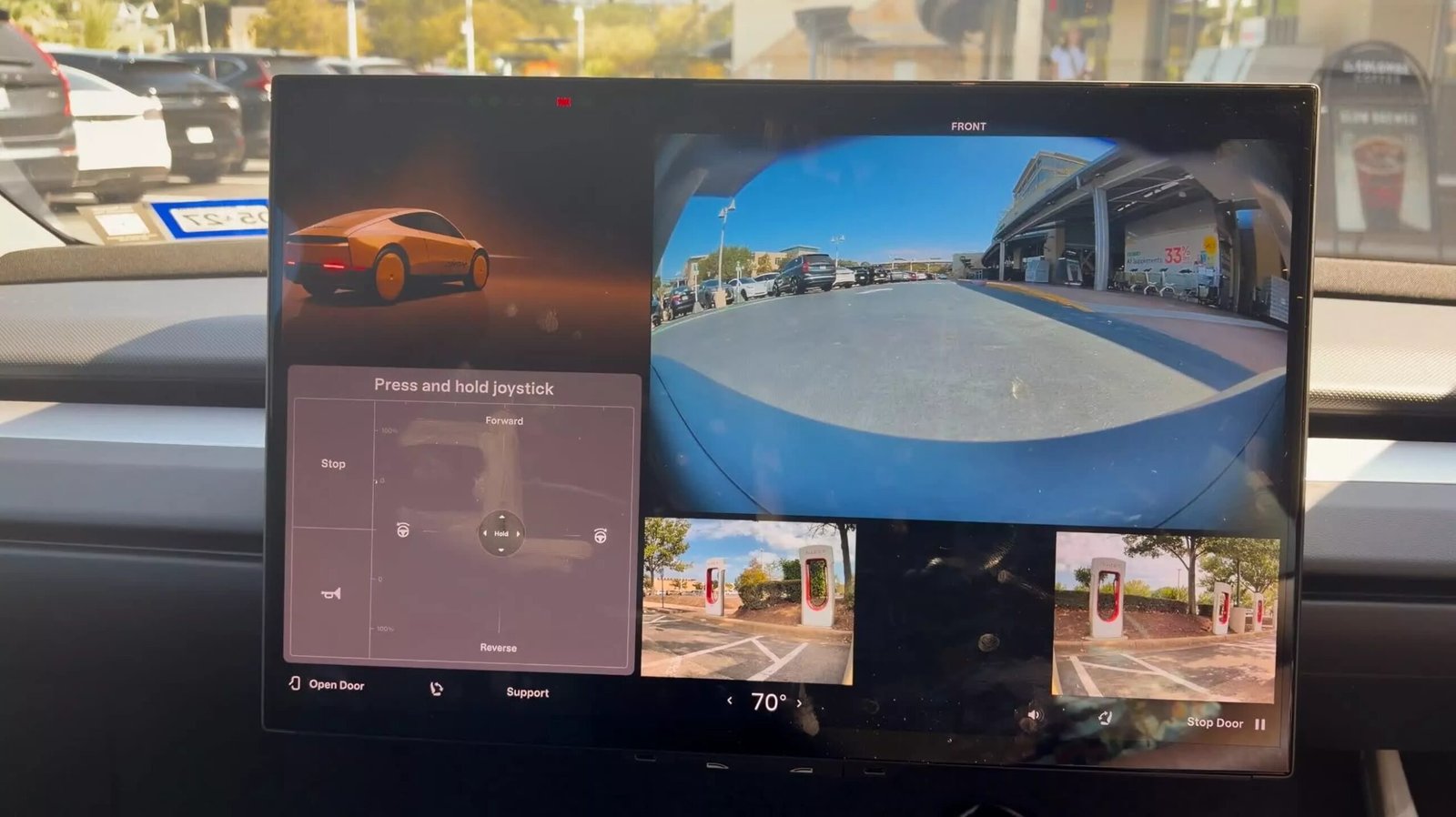
A federal audit into Tesla’s self-certification of approximately 1,000 custom driverless vehicles in Texas has coincided with the discovery of an unannounced internal software tool that allows human operators to maneuver the steering-wheel-less vehicles via a touchscreen interface. The National Highway Traffic Safety Administration (NHTSA) opened an audit following Tesla’s September 3 fleet deployment of the Cybercab in Austin. Under current U.S. federal automotive regulations, vehicles operated on public roads are generally subject to FMVSS mandates requiring physical steering mechanisms, foot-operated braking systems, and standard visual display equipment.
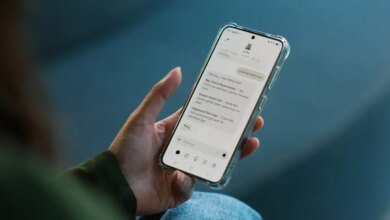
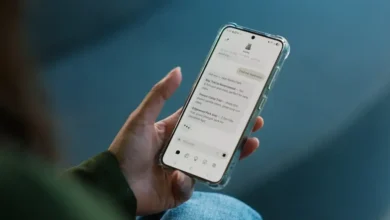
Video footage recently published on X (formerly Twitter) reveals that Tesla has embedded a software-based override system within the vehicle’s central display to allow low-speed manual maneuvering without physical hardware. The interface, discovered by a passenger during a vehicle ride, divides the Cybercab’s single central screen into two distinct functional zones. The left section functions as a command hub, featuring a touch-operated “virtual joystick” designed to steer and move the vehicle manually. This panel also integrates controls to actuate the vehicle’s powered doors (“Close cabin doors”) and a dedicated button to connect with Tesla customer support.
The federal regulatory review centers on whether Tesla complied with Federal Motor Vehicle Safety Standards (FMVSS)—the federal rules governing automotive design—when it certified a vehicle built entirely without traditional mechanical driver controls, such as a steering wheel, accelerator pedal, brake pedal, or side mirrors. While rival autonomous vehicle developers like General Motors’ Cruise and Amazon’s Zoox previously sought formal federal exemptions under NHTSA’s Part 555 petition process to deploy custom vehicles without traditional controls, Tesla self-certified its Cybercab fleet on the basis that fully autonomous architecture renders human-centric equipment obsolete.
“When I got in the vehicle, the display was in a different configuration with a virtual joystick for manual driving,” the rider stated, noting that he had “a feeling I wasn’t supposed to see this” prior to interacting with the control feature. The right side of the split screen displays a perimeter camera view showing the vehicle’s surrounding environment. According to the footage, the camera feed included cached imagery from a Tesla Supercharger location rather than a fully live feed from the parking lot where the vehicle was stationary at the time.
Tesla has not publicly detailed the operational guidelines for the touch-based manual control screen. The feature does not automatically conflict with Tesla’s regulatory position that fully autonomous vehicles do not require permanent physical driver hardware, as the interface appears designed exclusively for localized repositioning rather than open-road driving. The presence of a digital joystick highlights an operational requirement common across all autonomous fleet deployments: the necessity to move vehicles manually in constrained environments where autonomous navigation systems may be limited or inactive. Robotaxi operators routinely require manual override capability for staging vehicles in service depots, navigating tight parking facilities, maneuvering around temporary physical blockages, loading onto flatbed transport trucks, or responding to hardware faults.
While competitor fleets have frequently relied on external plug-in handheld controllers, remote teleoperation teams, or retrofitted safety drivers, Tesla’s touch-screen joystick incorporates low-speed movement capabilities directly into the core vehicle software. Tesla leadership has previously acknowledged that its hardware designs remain subject to regulatory determination. Addressing potential legal mandates regarding vehicle design, Tesla Chair Robyn Denholm noted, “If we have to have a steering wheel, it can have a steering wheel and pedals.” NHTSA’s ongoing audit of the 1,000 Austin-based Cybercabs continues as federal regulators evaluate whether software-driven driverless designs meet existing federal safety criteria or require formal regulatory exemptions before expanding to broader commercial operations.