Manchester United Plan Short-Term Extension for Luke Shaw Amid Left-Back Overhaul
Club targets younger replacements like Tyrick Mitchell despite Shaw's strong 2025/26 season
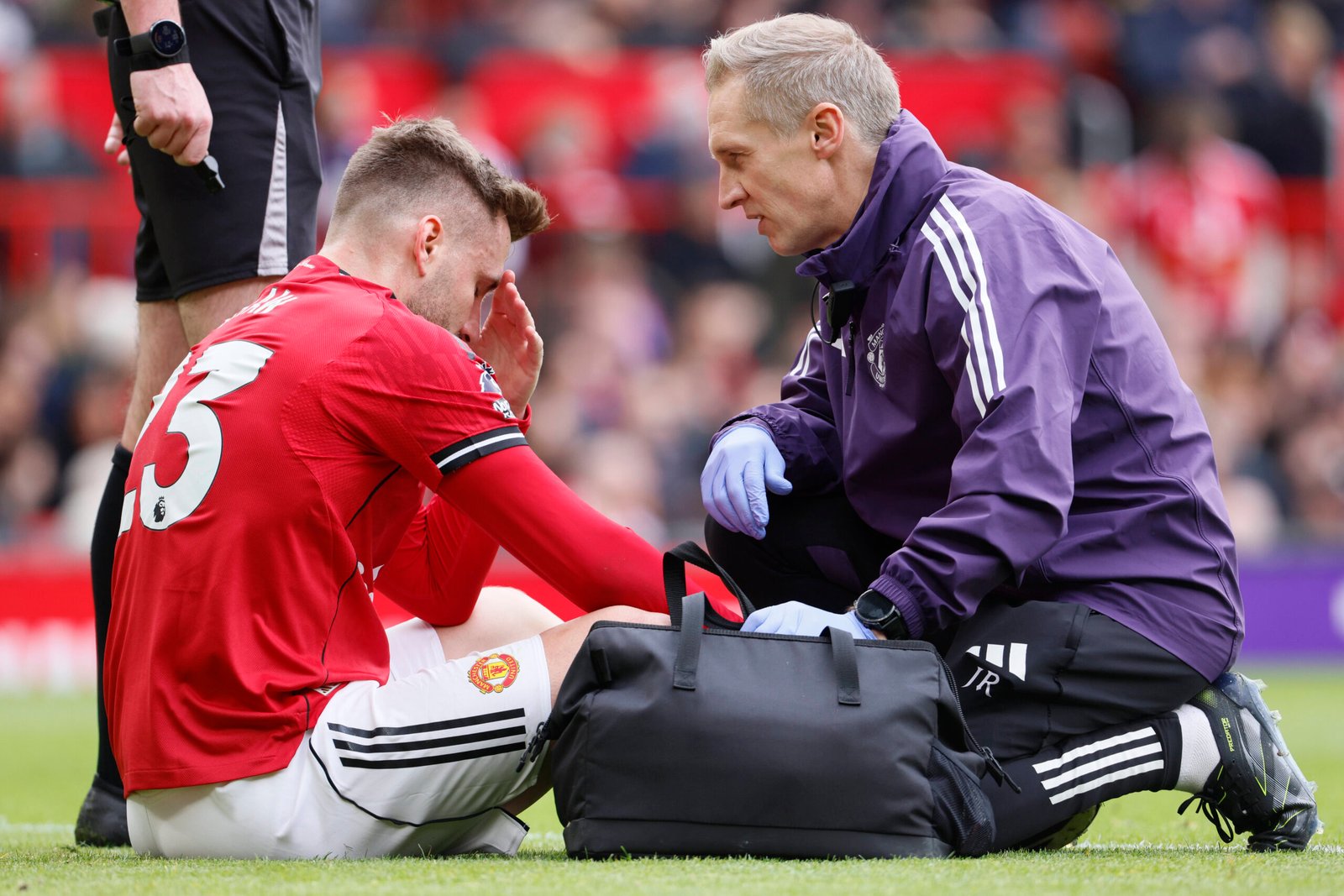
Manchester United’s tenure with Luke Shaw is approaching a definitive fork in the road, with internal discussions centering on a short-term contract extension rather than a long-term commitment. Despite Shaw remaining under contract until June 2027, club officials are reportedly preparing to offer only a brief renewal, signaling that the 31-year-old left-back will likely depart Old Trafford once that interim agreement concludes. This strategic pivot marks a significant departure from previous seasons, where Shaw was viewed as an integral part of the squad’s future architecture.
The decision stems less from recent performance metrics and more from structural risk management. While Shaw enjoyed his most physically robust campaign in the 2025/26 season—starting all 38 Premier League matches for the first time since joining the club—the hierarchy remains wary of relying on a player whose career has been frequently interrupted by serious injuries. The consistency displayed last year served as a positive indicator, but it did not alter the fundamental calculus regarding age-related decline and durability concerns that dominate modern squad planning at elite levels.
Consequently, the January transfer window has emerged as the critical period for addressing the left-back position. United failed to secure a permanent replacement during the summer market, leaving them dependent on Shaw as the sole senior specialist on the flank. With the mid-season window now open, the club is actively seeking a younger, more durable alternative to establish immediate competition and ensure long-term stability. This urgency reflects a broader recognition that waiting for the next summer could leave the defense exposed if Shaw’s form or fitness fluctuates.


Tyrick Mitchell, currently contracted to Crystal Palace, has surfaced as a primary candidate in this search. Mitchell’s situation aligns with United’s desire for cost-effective reinforcement; his current deal expires at the end of the season, meaning he could be available for a reduced fee in January if no new terms are agreed upon at Selhurst Park. For INEOS-led football operations, targeting players in the final year of their contracts represents a pragmatic approach to balancing budget constraints with the need for quality upgrades.
This move underscores a wider trend in Manchester United’s recruitment strategy: prioritizing succession planning over sentimental loyalty. Although Shaw retains respect within the dressing room and contributes valuable experience, the club is clearly delineating between current needs and future viability. By limiting Shaw’s timeline, United aim to avoid the scenario of having no viable successor when the inevitable transition occurs. The focus shifts from maintaining status quo figures to injecting fresh athletic profiles capable of sustaining high-intensity demands over multiple seasons.