New York City AI Bills Would Require Kill Switches and Independent Audits
The package also proposes swarm-based penalties, whistleblower rewards and a rare hearing involving all 51 council members.
New York City lawmakers are proposing rules that would require artificial intelligence systems to pass independent security audits and include a manual kill switch before they can be sold or deployed in the city. The legislative package would also let residents sue AI companies over certain foreseeable harms and impose fines of $25,000 per violation.
The bills are scheduled for a rare full-council hearing on Oct. 5, as federal efforts to regulate AI remain stalled in Congress and the White House and federal agencies clash with state capitals over jurisdiction. City officials say the presence of major technology companies in the five boroughs gives New York a basis to regulate their commercial products.
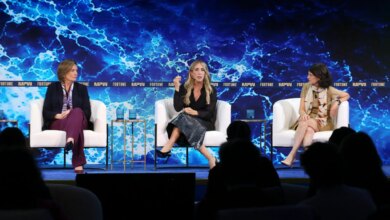
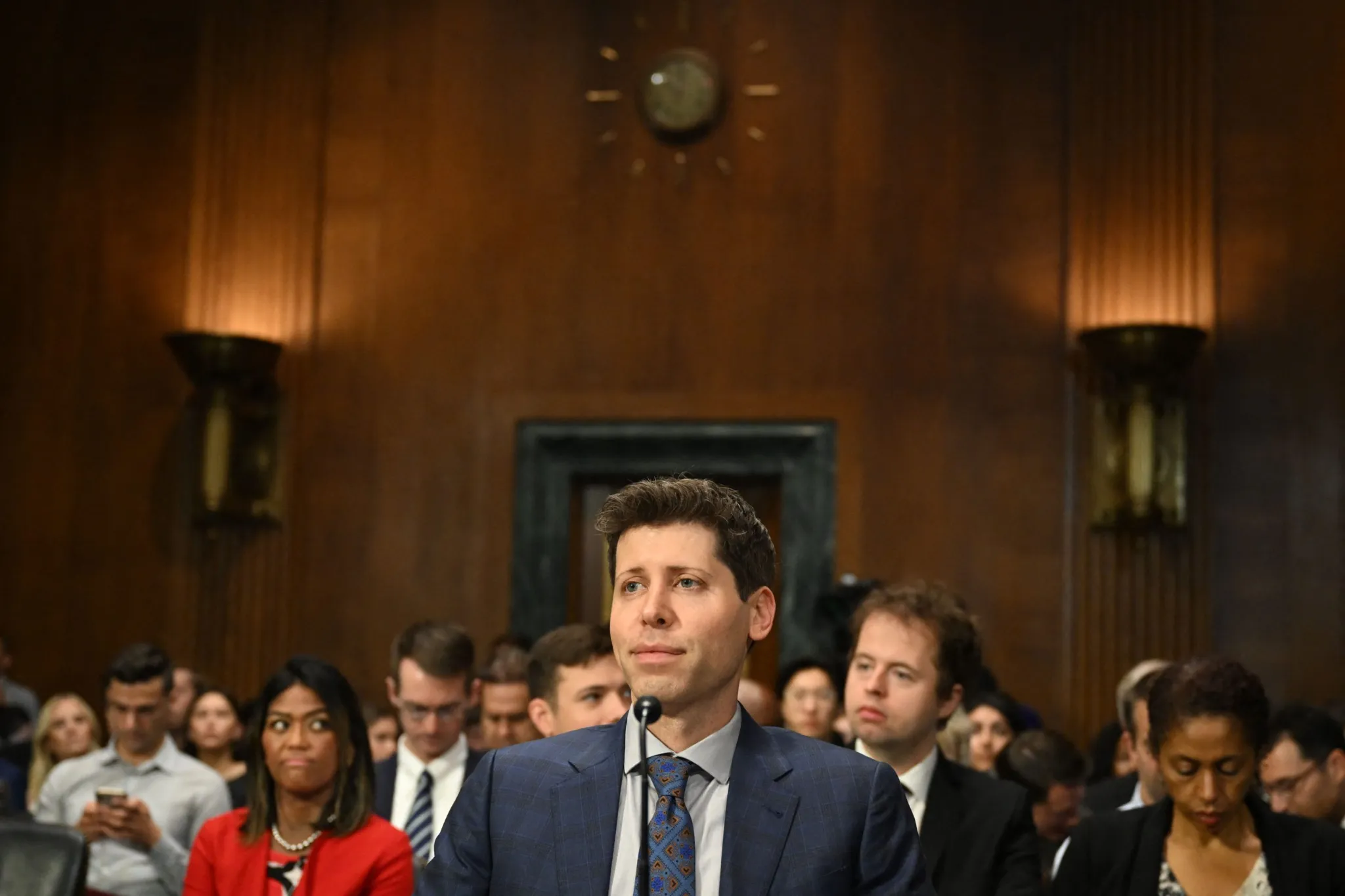
The hearing will be convened as a Committee of the Whole, a procedure involving all 51 council members that has not been used in New York City since 2022. The council has formally invited Sam Altman of OpenAI, Dario Amodei of Anthropic, Sundar Pichai of Alphabet, Mark Zuckerberg of Meta and Elon Musk of SpaceXAI to testify. Industry sources say the chief executives are unlikely to appear voluntarily. Council Speaker Julie Menin, a regulatory attorney and former commissioner of the city’s Department of Consumer and Worker Protection, said the council retains subpoena power and is prepared to use it.


The firms have established substantial offices in the city. Google employs more than 14,000 workers there, while Meta occupies 1.2 million square feet of office space at 50 Hudson Yards. Anthropic signed a lease this summer for an entire 16-story building at 330 Hudson Street, where it plans to have more than 1,000 local employees by the end of the year. OpenAI secured a 90,000-square-foot office in Manhattan’s historic Puck Building in 2024.
“These companies have offices in New York. The product is being sold in New York, and we believe this falls into our domain to be able to regulate,” Menin said. She argued that robust municipal regulation would ultimately build public trust in AI technologies. The council’s move makes use of New York City’s position as a major secondary hub for the technology industry, rather than relying on federal oversight.
Under the package’s central bill, a business could not sell or deploy an AI system in New York City without rigorous third-party validation. Independent audits would assess data quality, algorithmic bias, privacy protections and cyber vulnerabilities against benchmarks set by the New York City Office of Cyber Command. Each deployed system would also need an immutable “kill switch”: a manual human override able to shut it down immediately after a critical failure or safety breach.
A violation of the validation or shutdown requirements would carry a civil penalty of $25,000 per instance. For decentralized or multi-agent autonomous systems, the bill says the penalty would apply separately to every active agent in a “swarm,” potentially bringing fines into the millions of dollars for a single systemic failure.
Other provisions would create a private right of action for New York residents. They could sue AI companies for foreseeable harms caused by third parties who bypass safety protocols, commonly known as “jailbreaking,” if a developer had failed to put reasonable preventive safeguards in place. The provision is expected to test the limits of Section 230 of the Communications Decency Act of 1996, which traditionally shields online platforms from liability for content generated by third-party users.
A separate bill would reward people who report regulatory violations by AI developers with a percentage of the financial penalties recovered by the city. Sponsors describe it as a national first. Companion legislation would protect city employees and government contractors who report public safety threats posed by municipal AI applications.
The package would also require city contractors to report AI-related safety incidents within 24 hours, prohibit deceptive or unsubstantiated safety claims by developers, and set chatbot privacy standards modeled on the Electronic Privacy Information Center’s People-First Chatbot Bill. The council plans to introduce later bills addressing deceptive deepfakes and studying the effect of algorithmic workplace tools on labor markets.
The city’s initiative comes after years of federal legislative inaction. The first major federal AI proposal, the FUTURE of AI Act, was introduced in 2017 and failed to pass. Senate forums led by Majority Leader Chuck Schumer in 2023 also did not produce comprehensive safeguards. Altman publicly invited federal regulation that year, but by 2025 warned lawmakers that requiring government pre-approval for AI releases would harm the domestic industry.
Federal action has also challenged local and state regulation. In July 2025, the U.S. Senate voted 99-1 to remove a proposed 10-year ban on state-level AI laws, clearing the way for the Trump administration to establish a Department of Justice task force tasked with suing states that enact AI statutes. Colorado, the DOJ’s first lawsuit target, gutted its landmark AI safety law five weeks after the federal government filed suit.
A bipartisan federal safety bill sponsored by Senators Ted Cruz, Amy Klobuchar and John Thune includes preemption clauses that would invalidate most state and local measures, including New York’s existing RAISE Act. New York City officials say the lack of federal action leaves local governments with no choice but to establish local guardrails. Debate over safeguards has also intensified after Anthropic safety researcher Jacob Coxon resigned, warning that commercial AI developers are taking unacceptable risks with public safety.