Woman Reunites With Stray Cat After 3 Months Apart, Sparks Adoption Plan
Viral video highlights complexities of feeding neighborhood strays
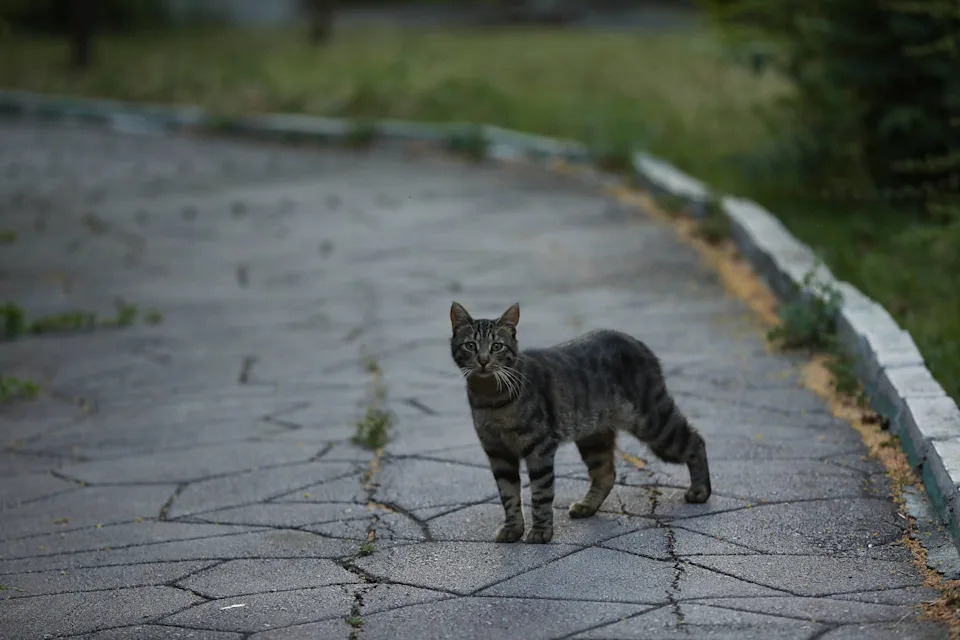
A viral video showing an orange tabby instantly recognizing the woman who fed him for three years — despite a three-month absence — has drawn millions of views and reignited debate over how communities should handle neighborhood stray cats. The woman, known online as Luna, documented the reunion on social media after returning to her former home, where relatives still live, to check on the cat she calls Orange.
Luna spent years building trust with Orange before moving away, unable to bring him along because he clashed with her resident cat, Batman. She continued paying for his food remotely, but worried he had forgotten her during a recent three-month gap in visits. The footage captures Orange approaching her immediately, rubbing against her legs and vocalizing — behavior animal behaviorists say demonstrates long-term social memory in cats, which can recall specific humans for years.
The video’s popularity prompted an outpouring of comments urging Luna to formally adopt Orange. She announced plans to trap him, secure veterinary care — he has a significant flea infestation — and begin a gradual introduction to Batman. Flea treatment alone can take weeks, and integrating two adult cats with no prior relationship requires careful scent-swapping and supervised interactions to avoid aggression.


Luna’s story illustrates a nationwide dilemma. The United States has an estimated 30 to 40 million unowned community cats, according to the Humane Society of the United States. Well-meaning feeding without sterilization often backfires: reliable food sources increase survival and reproduction rates, expanding colonies until caretakers cannot sustain them. The American Veterinary Medical Association and major animal welfare groups endorse trap-neuter-return (TNR) as the most humane and effective management strategy. TNR involves humanely trapping cats, vaccinating and sterilizing them, eartipping for identification, and returning them to their territory, which stabilizes populations over time.
Feeding strays without a TNR plan can also violate local ordinances. Dozens of municipalities, including Los Angeles and Chicago, have codes that restrict or prohibit feeding unowned cats unless the feeder participates in a registered TNR program. Violations can carry fines. Before putting out food, residents should check whether the cat has an owner — many “strays” are actually indoor-outdoor pets — and contact local shelters or TNR groups for assistance with trapping and low-cost spay/neuter services.
For cats like Orange who are socialized to humans, adoption is ideal. But the transition from outdoor life to indoor home carries medical and behavioral hurdles. Fleas, parasites, dental disease, and infections like FIV or FeLV are common. A veterinary exam, parasite treatment, and vaccination are essential before introducing a former stray to resident pets. Luna’s documented effort to navigate these steps offers a real-time case study in responsible stray cat intervention.
As of this week, Luna has successfully trapped Orange and begun his flea treatment. She is chronicling the slow introduction process with Batman, emphasizing that patience matters more than speed. The outcome will determine whether a years-long neighborhood bond becomes a permanent household arrangement.