Ukraine Strikes Moscow Oil Refinery as Russia’s Wartime Vote Ends
Ukraine targets Russia’s fuel network as Moscow reports its largest wartime drone assault
Russia’s three-day legislative elections to select members of the State Duma, the lower house of parliament, concluded as a massive Ukrainian aerial campaign struck targets deep inside Russian territory. The election was tightly controlled by the Kremlin, with no viable opposition parties or candidates critical of President Vladimir Putin’s policies.
Moscow also conducted voting in Crimea—which Russia annexed in 2014—and across Donetsk, Luhansk, Zaporizhzhia, and Kherson, the four Ukrainian regions illegally annexed in September 2022. Russian forces do not fully control any of the four regions, and polling stations were set up under armed guard. The Ukrainian government and its international allies denounced the elections in those territories as a violation of international law and declared the results illegitimate.
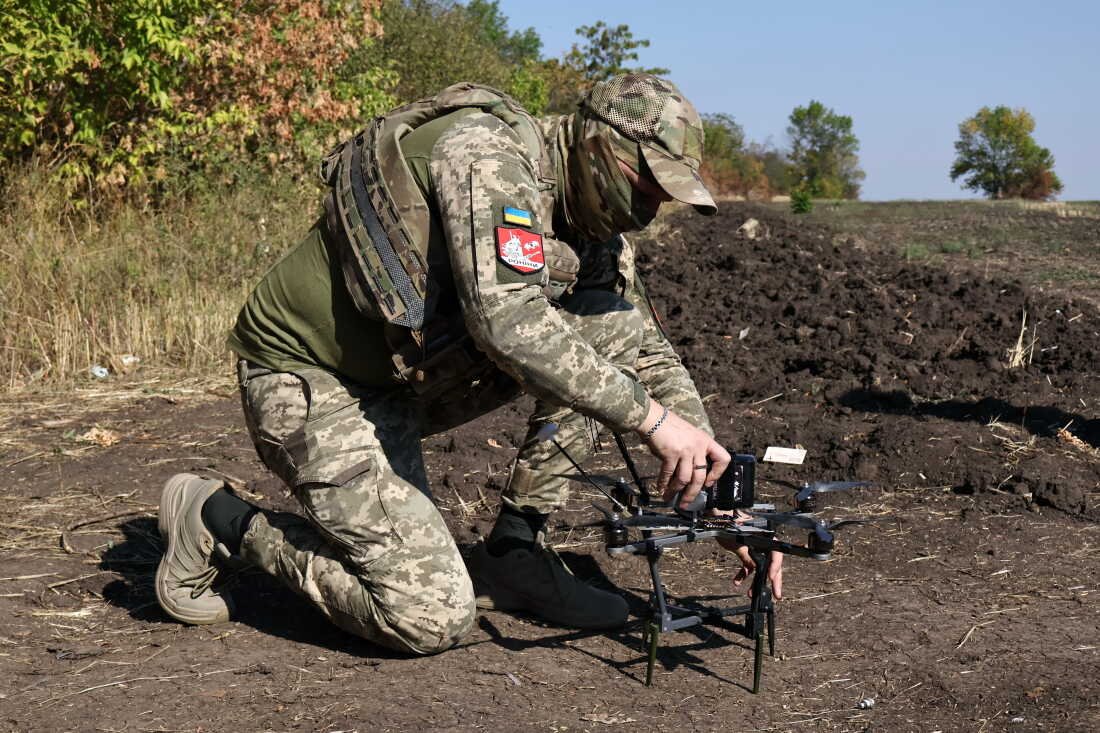
Ukrainian President Volodymyr Zelenskyy confirmed the overnight strikes on social media. He said Kyiv deployed domestically produced drones alongside advanced missiles, including Ukraine’s proprietary Flamingo and Pelican missile systems, against Russian fuel and logistics hubs that feed the Kremlin’s military economy.

“These are billions of dollars that sustain the war machine,” Zelenskyy said, describing the strikes as an economic counteroffensive intended to disrupt the revenue streams funding Russian military operations. Russian officials described the operation as the largest drone assault on Moscow since the war began more than four years ago.
Russia’s Ministry of Defense said air defense units intercepted 1,100 Ukrainian drones across several Russian regions, as well as over Crimea and the Black Sea. Moscow Mayor Sergei Sobyanin reported that 450 drones were intercepted while approaching the capital.
Sobyanin acknowledged that the “unprecedented” barrage damaged a residential building and ignited a fire at the Moscow Oil Refinery, a major fuel production facility owned by Gazprom Neft that supplies the capital region. He characterized the attack as a deliberate attempt to undermine the parliamentary elections and added that “the enemy failed” to disrupt the voting process.
In the wider Moscow region, local Governor Andrei Vorobyov reported that falling debris and strikes killed two civilians—a 74-year-old man and a 44-year-old woman—and wounded 20 others.
The campaign unfolded as fighting along the 1,250-kilometer (780-mile) front line in eastern and southern Ukraine remained heavily deadlocked. Over the past year, the battlefield has become increasingly stagnant, marked by trench warfare and high-tech attrition. First-person view (FPV) combat drones, reconnaissance quadcopters, and autonomous ground vehicles have made troop movements highly visible and difficult to carry out without immediate detection and counterattack.
Strict restrictions from Western allies on using foreign-supplied weapons inside Russian territory have accompanied the battlefield gridlock. Since the full-scale invasion began in February 2022, Ukraine has rapidly expanded its domestic defense industry, becoming a global hub for drone innovation through private tech startups and state-backed initiatives. Those efforts have produced long-range strike drones capable of flying hundreds of miles to bypass Russian air defenses and hit industrial assets.