

Turbulence Forces Turkish Airlines Flight to Abandon Three Landings in Tunisia
Three aborted landings send Istanbul flight to Tunisia alternate airport

A Turkish Airlines passenger flight originating in Istanbul encountered severe atmospheric turbulence while approaching Tunis-Carthage International Airport in northern Tunisia. The aircraft ultimately diverted to an alternate airport roughly 60 miles away after multiple landing attempts were abandoned.
Severe weather destabilized the final descent into the coastal capital. Flight crews initiated go-around maneuvers, standard safety procedures used when weather or turbulence prevents a safe touchdown, and the aircraft remained in the area while flying through severe storm cells.
Passengers said the aircraft attempted to touch down at Tunis-Carthage three separate times. During the final approach attempt, sudden altitude drops and severe shaking caused intense movement inside the passenger cabin.


Video recorded inside the cabin during the approach and later published on social media by passenger Marina Maiskaya showed heavy aircraft movement as passengers gripped seat rests while the plane circled through storm clouds. Maiskaya was traveling with her mother.
“The flight itself was smooth, but things turned absolutely terrifying as soon as we began our descent,” Maiskaya said. “We were shaken violently each time, and on the third attempt, we actually started to plummet.”
Under international civil aviation regulations, commercial flight planning requires airlines to maintain sufficient fuel reserves for attempted approaches at a destination airport, missed approaches when weather dictates, and safe travel to a pre-designated alternate airport.
Following the third aborted approach at Tunis-Carthage International Airport, the crew diverted southward to Enfidha-Hammamet International Airport. The airport is located approximately 60 miles (100 kilometers) south of Tunis along the Gulf of Hammamet and serves as a primary alternate diversion gateway for commercial traffic entering northeastern Tunisia.
Severe weather systems across the Mediterranean basin frequently produce localized convective turbulence, sudden downdrafts, and low-level wind shear. Wind shear is a sudden change in wind speed or direction over a short distance, and it can destabilize an aircraft’s airspeed and glideslope during low-altitude approach phases, prompting pilots to abort landings and climb to safer altitudes.
The aircraft landed safely at Enfidha-Hammamet without further incident. “We made it through safely — perhaps thanks to the Turkish Airlines pilots,” Maiskaya noted after the arrival.
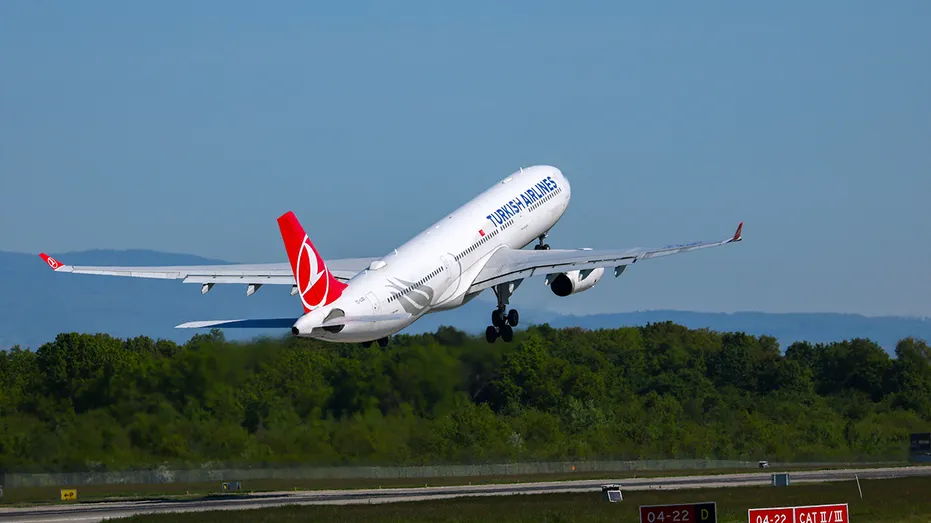
Data from the Federal Aviation Administration and the National Transportation Safety Board indicate that turbulence remains the leading cause of non-fatal injuries to passengers and flight crews in commercial aviation. Modern commercial aircraft are engineered to withstand aerodynamic loads far exceeding forces generated during severe atmospheric turbulence.
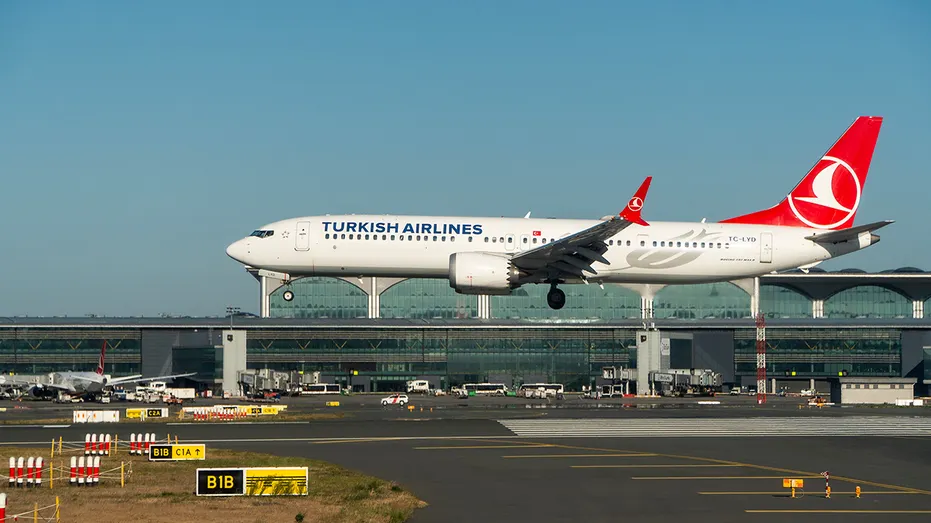
Turkish Airlines, the national flag carrier of Turkey based at Istanbul Airport, operates scheduled flights to more than 300 destinations across Europe, Asia, Africa, and the Americas.









