

Petroline Shutdown Exposes the Limits of Global Oil Security
The global oil market turns to reserves, alternate routes, and flexible industry as Hormuz risks persist
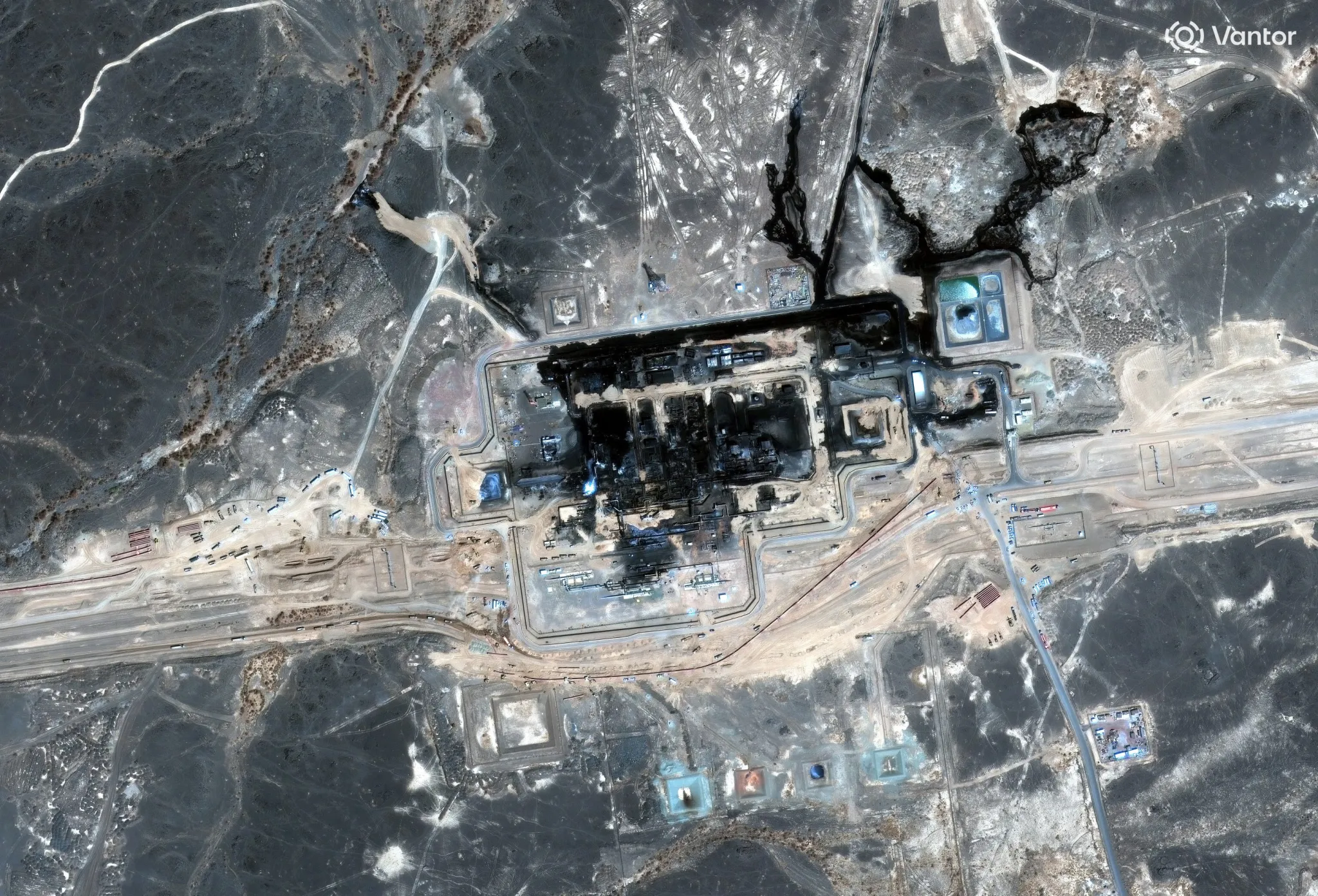
WASHINGTON — The temporary shutdown of Saudi Arabia’s East-West crude pipeline this week, also known as Petroline, has removed a critical safety valve from the global energy market. The 746-mile-long line runs from Saudi Arabia’s Eastern Province to the Red Sea port of Yanbu.
The disruption follows a historic crisis in the Strait of Hormuz earlier this year. Situated between Oman and Iran, the waterway normally carries roughly 20 to 21 million barrels of oil and petroleum products each day, and approximately one-fifth of the global oil supply was put at risk when access was restricted.
During the height of that crisis in the second quarter of 2026, Saudi Arabia’s pipeline and the United Arab Emirates’ 230-mile Habshan-Fujairah bypass pipeline served as primary buffers for global markets. Together, they redirected an additional 5 million barrels of crude oil per day around the restricted waterway compared with their throughput in the fourth quarter of 2025.


The scale of the adjustment extended well beyond those overland routes. According to industry data, more than one in five barrels of seaborne oil traded globally—exceeding 20% of the market—was rerouted or traded differently than before the Strait of Hormuz crisis.
Approximately two-thirds of all global energy trade must pass through maritime chokepoints, including the Strait of Hormuz, the Strait of Malacca, and the Bab el-Mandeb. One-third of global energy trade takes place between nations that are not politically aligned, while 95% of the world’s population lives in regions that rely on imports for at least one major fuel type.
To offset the supply squeeze, governments and commercial operators drew down strategic oil inventories, including those coordinated by the International Energy Agency (IEA). Major producers outside the Persian Gulf, most notably the United States, accelerated crude exports to disrupted markets in Europe and Asia. Total oil consumption fell slightly, and refiners and industrial consumers adjusted their operations by changing crude slates and product yields, switching feedstocks, and altering consumption patterns.
The temporary closure of the Saudi East-West pipeline has also focused attention on the broader network of emergency shock absorbers that prevented a more severe global economic crisis. With Petroline offline, energy analysts and policymakers are examining strategic inventories, shifting export patterns, industrial adaptability, and other parts of the decades-in-the-making response. No single infrastructure project can fully insulate the global economy from maritime disruptions.
Maintaining bypass infrastructure is expensive. The Saudi Petroline and the UAE’s Habshan-Fujairah line require billions of dollars in capital expenditure and often operate well below capacity during periods of geopolitical stability. When maritime corridors are threatened, however, that spare capacity becomes an invaluable asset for maintaining supply continuity.
Multinational companies have built similar flexibility into their supply chains. Rather than relying on single-source contracts, major industrial players have restructured facilities to handle diverse inputs and geographic shifts. In India, Reliance Industries demonstrated this approach at its massive Jamnagar refining complex, the largest of its kind in the world. The highly complex refinery is engineered to process more than 200 different grades of crude oil, allowing the conglomerate to substitute restricted Persian Gulf crudes with alternative global grades during the height of the Hormuz disruption.
European chemical manufacturers drew on lessons from earlier energy crises. During the 2022 European gas shock, after Russia severely restricted natural gas flows to the continent, Norwegian fertilizer giant Yara International curtailed ammonia production in Europe to avoid high domestic energy costs. It instead used its global supply chain to import ammonia produced at facilities in North and South America, keeping its European fertilizer upgrading plants operational.
German chemical producer BASF was heavily impacted by the 2022 European gas crisis because of its reliance on Russian pipeline imports. During the 2026 Middle East disruptions, however, BASF reported a 7% year-over-year increase in production volumes in the second quarter of 2026. The company pointed to its highly diversified global footprint, manufacturing facilities capable of switching between different feedstocks, and active global trading desk, which quickly secured alternative energy supplies.
As bypass routes and strategic reserves are drawn down or temporarily disabled, the burden of adjustment shifts to industrial consumers, alternative logistics networks, and international trade partners, testing the ultimate limits of global economic resilience.










One Comment