Forty-one percent of parents say stress is so severe on most days that it interferes with their basic functioning, compared with 20% of adults who are not parents, according to an advisory issued by U.S. Surgeon General Dr. Vivek Murthy. Licensed marriage and family therapist Cassidy Freitas, PhD, LMFT, recommends brief self-regulation techniques to help parents manage stress during difficult moments at home.
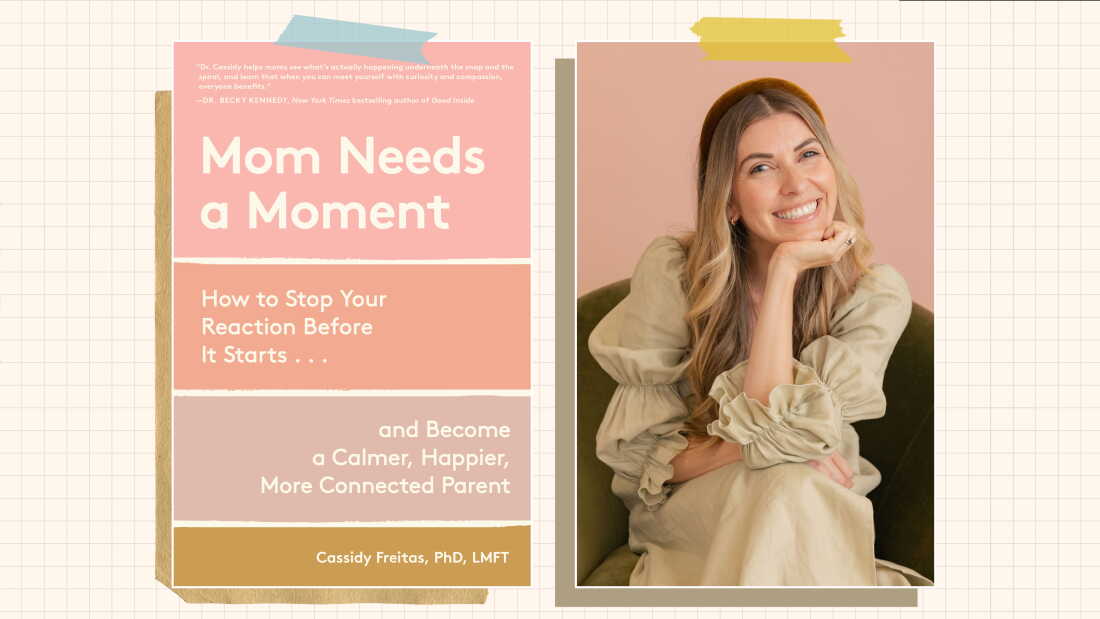
Freitas’s book, Mom Needs A Moment, published by Workman Publishing, focuses on using “the margins”: brief transition spaces in the day to interrupt physical stress responses before they lead to emotional outbursts.


A morning routine running late, a child’s tantrum or competing messages from work can trigger the sympathetic nervous system’s fight-or-flight response, raising heart rate and cortisol levels. Freitas recommends placing a hand on the chest as a physical feedback loop that signals safety to the brain. Intentional, extended exhalations engage the vagus nerve, stimulating the parasympathetic nervous system and lowering heart rate.
The Surgeon General’s advisory comes amid broader pressures on caregivers. U.S. Bureau of Labor Statistics data indicates that parents today spend significantly more time in paid employment and primary childcare than parents did two decades ago. The advisory reported that 41% of parents experience severe stress on most days, compared with 20% of non-parent adults.

Freitas’s approach also addresses what may be beneath an angry reaction. In clinical frameworks, anger is often described as a secondary or “protector” emotion that can mask vulnerability, fatigue or anxiety about external judgment. A parent, for example, may fear criticism from peers or an institution when a child arrives late to school. Identifying the underlying cause after a stressful event has passed can help parents change how they respond in similar situations.
Guilt over setting personal boundaries or keeping professional social commitments can also be examined. Mental health professionals view guilt as an internal signal about whether actions align with a person’s values. When a parent feels guilty about taking personal time, such as attending an after-hours professional function, therapists suggest considering what advice they would give a friend in the same situation. That perspective can help distinguish a genuine breach of values from an unmanageable social expectation.

The approach also highlights the example parents set for children: evaluating personal time and social commitments can reinforce the importance of modeling healthy social engagement and self-care.