Meta Suspensions Disrupt California’s Historic LGBTQ+ Nightlife Venues
Lawmakers intervene after Instagram and Facebook deactivations threaten independent nightlife businesses
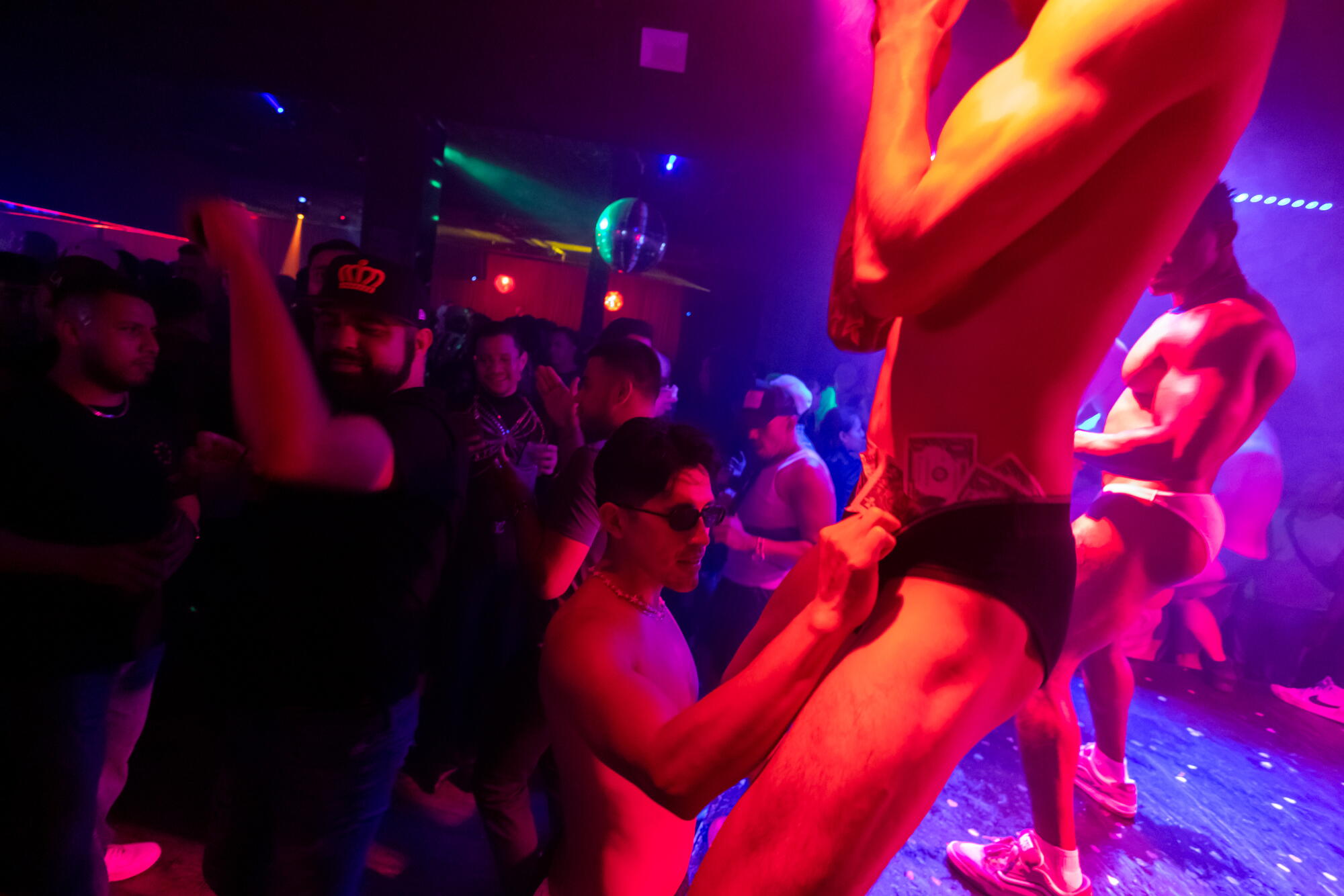
LOS ANGELES — Independent nightlife venues in Los Angeles and San Francisco that depend on Instagram and Facebook to promote events, sell tickets, and stay connected with patrons were locked out of their accounts for months without explanation. The sudden automated suspensions by Meta Platforms Inc. disrupted the digital operations of several historic LGBTQ+ and minority-serving businesses.
The closures drew intervention from California lawmakers. Democratic Assemblymember Mark González of Los Angeles and Democratic State Senator Scott Wiener of San Francisco each opened inquiries with Meta on behalf of venues in their districts. Media inquiries and the lawmakers’ involvement eventually preceded the restoration of several prominent accounts, including those belonging to Club Cobra, Club Chico, Catch One, and San Francisco’s The Stud.
For Marty Sokol, who owns Club Cobra in North Hollywood and Club Chico in Montebello, the disruption began on New Year’s Day, when he found that Club Cobra’s Instagram page had been deactivated. Sokol’s venues are prominent fixtures in Southern California’s Latino queer nightlife scene. Meta’s standard appeals process required him to upload government identification and submit facial recognition scans.


By June, all Instagram pages connected to Sokol’s clubs had been deactivated, including accounts belonging to individual staff members and affiliated event promoters. Automated, AI-driven search engines also began listing his physical venues as permanently closed, causing regular customers to believe the businesses had shut down.

Meta’s content moderation rules prohibit hate speech, harassment, graphic violence, intellectual property theft, and sexually explicit material. The company increasingly automated enforcement after corporate restructuring in 2022 and 2023, a period that Chief Executive Officer Mark Zuckerberg called the “Year of Efficiency.” Meta laid off more than 20,000 employees, substantially reducing its human trust and safety teams and leaving content moderation largely to automated algorithms.
In March, Meta introduced updated content-flagging software. Company spokesman Daniel Roberts previously defended the move toward automation, saying the company’s AI models were designed to reduce enforcement errors and improve account protection. Operators of independent venues, however, said the lack of human oversight made it difficult for automated systems to distinguish legitimate business promotions from policy violations.
Because Section 230 of the Communications Decency Act generally shields internet platforms from liability for how they moderate content, small business owners have little to no legal recourse when their accounts are mistakenly deactivated. The financial consequences can be severe for venues operating on thin profit margins, particularly as California nightlife businesses continue recovering from COVID-19 losses, rising inflation, and the local economic slowdown caused by the 2023 Hollywood writers’ and actors’ strikes.
Catch One, a landmark music venue in Mid-City Los Angeles, saw ticket sales fall by as much as 80% after its Facebook page and related advertising access were suspended in May, according to owner Mitch Edelson. He tried to reach human customer service by paying for a Meta Verified subscription on his personal page, but received no response.
Catch One was founded in 1973 by Jewel Thais-Williams as the first Black gay disco in the United States. During the HIV/AIDS epidemic of the 1980s and 1990s, when many mainstream establishments discriminated against Black and queer people, it operated as an essential sanctuary and community hub. Thais-Williams ran the venue for 42 years before selling it to Edelson in 2015; Edelson has continued its legacy of hosting diverse and marginalized communities.
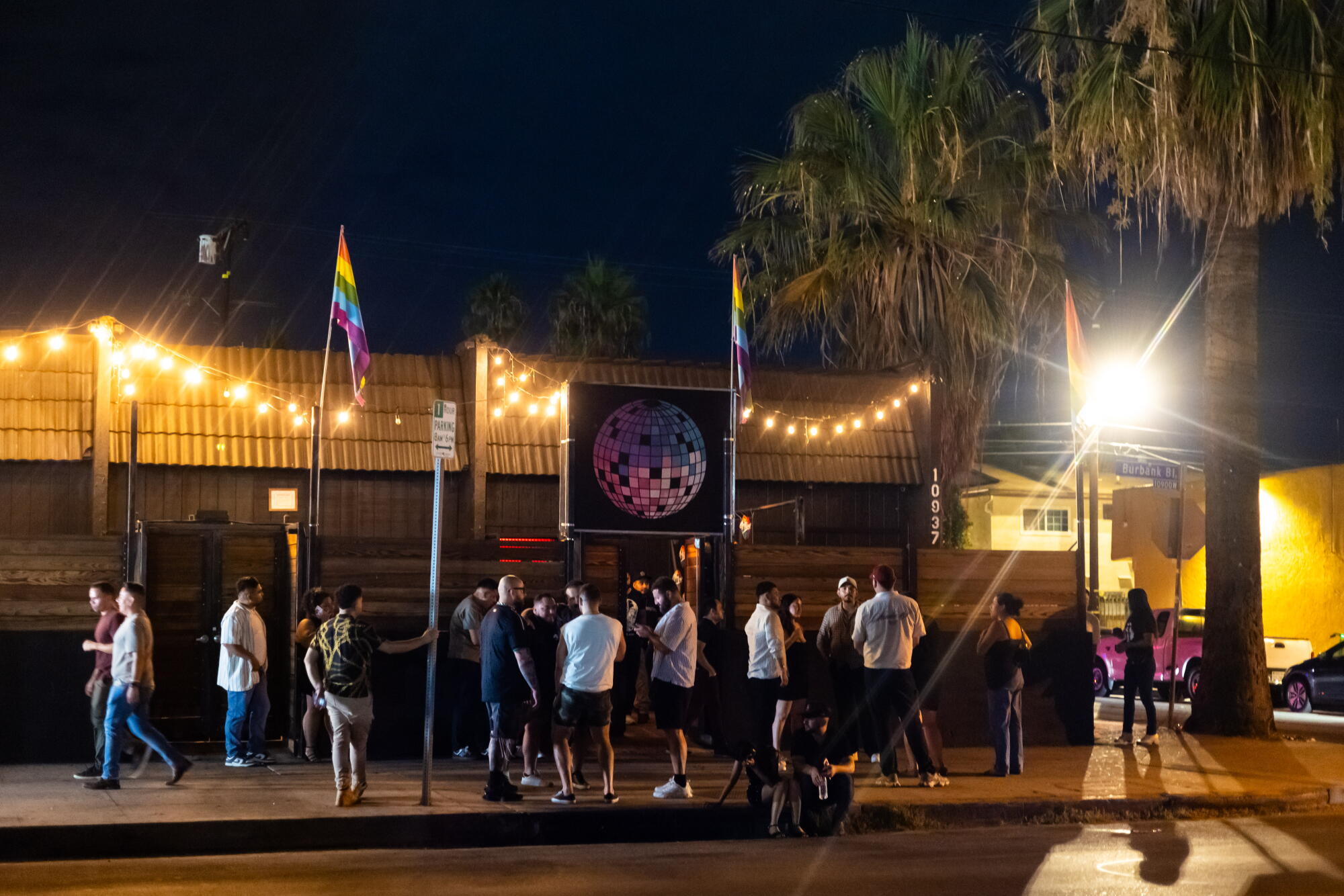
The Stud faced a similar disruption in Northern California. In July, shortly before San Francisco’s annual Dore Alley street festival, Instagram suspended the page for the LGBTQ+ bar, which was established in 1966 and is widely recognized as the city’s oldest active LGBTQ+ bar. The Stud survived decades of urban redevelopment in the South of Market, or SOMA, neighborhood.
When a massive rent increase threatened The Stud with closure in 2016, a cooperative of 18 patrons and workers purchased the business. The transaction made it one of the few cooperatively owned nightlife spaces in the country. The venue’s Instagram page was later targeted by coordinated, bad-faith reports from external users falsely alleging human-trafficking violations.
This practice, known as “brigading,” floods an account with identical policy-violation reports so that automated moderation triggers a suspension before a human reviews the claims. Because of The Stud’s ties to San Francisco’s political and technology sectors, co-owner and general manager Rachel Ryan and State Senator Scott Wiener successfully lobbied Meta to restore the page.
Individual promoters and performers had more difficulty recovering their accounts. Audry Cobra, who hosts “Transfix,” a weekly Club Cobra night focused on the transgender community, lost both her personal and promotional accounts. She said the loss of social media access directly affects the livelihoods of transgender performers of color, who depend on digital networks to find employment and build community safety nets.
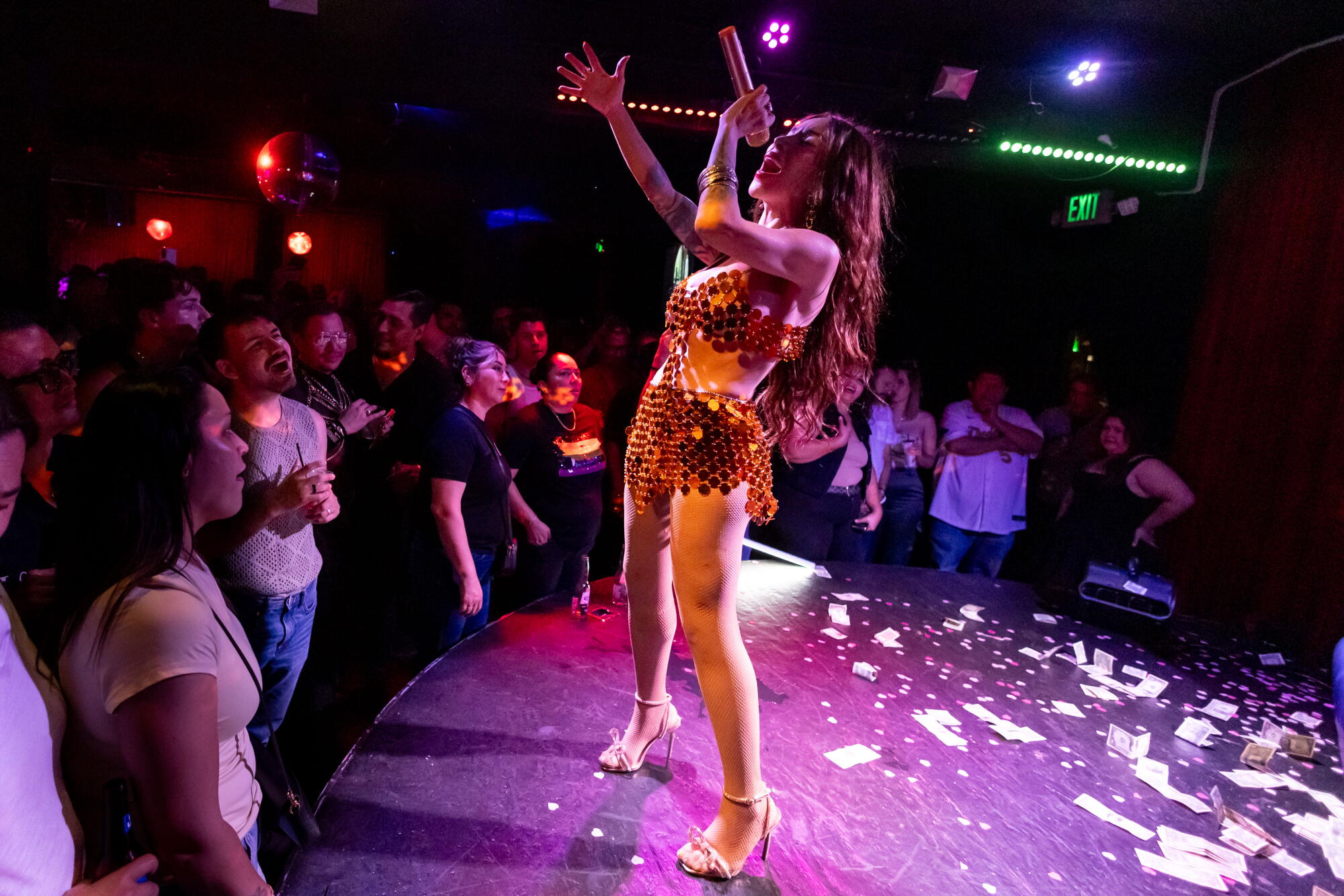
Assemblymember González used his office’s direct communication channels with Meta’s government affairs staff to advocate for the affected Los Angeles venues. Catch One’s page was restored on September 10, followed by the restoration of Club Cobra, Club Chico, and associated promotional accounts.
The episode has left California’s independent venue owners wary of relying on centralized social media platforms over the long term. Some operators are considering decentralized communication strategies, including direct email newsletters and traditional word-of-mouth marketing, to protect their businesses from unpredictable changes in automated content moderation.