LACCD Seat 6 Race: Incumbent Buelna Faces Challenges from Winston, Arey Amid Bond Oversight and Enrollment Crisis
Winston, Buelna, and Arey offer competing visions for managing $5.3B in bonds and reversing post-pandemic attendance declines
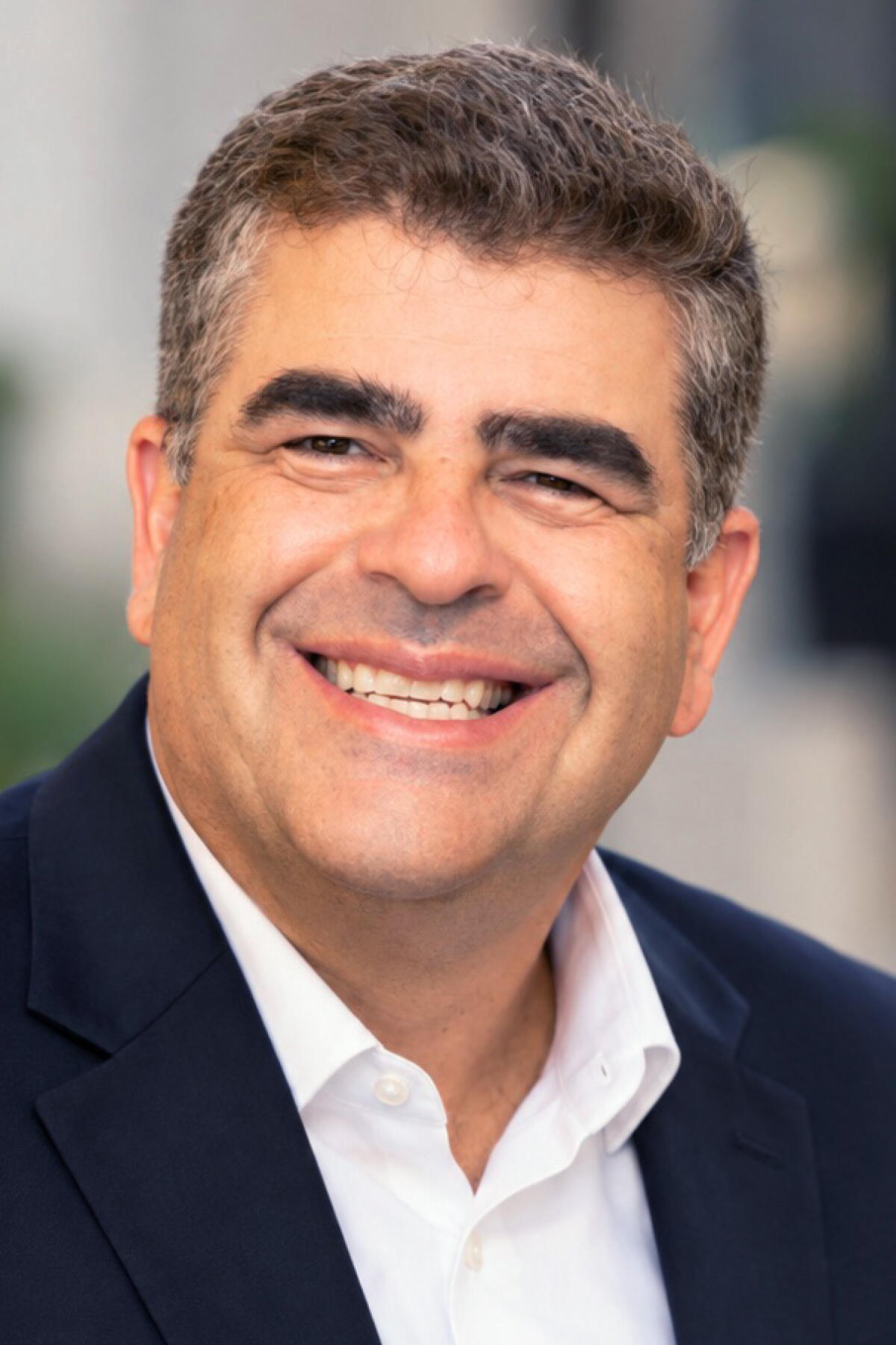
Voters in the Los Angeles Community College District’s Seat 6 race are weighing three distinct governance philosophies as they decide who will oversee a $5.3 billion construction program and navigate a persistent enrollment decline. The contest features incumbent trustee Gabriel Buelna, Deputy Mayor Randall Winston, and realtor Tonia Arey, each offering divergent approaches to fiscal accountability, student basic needs, and workforce alignment. A fourth candidate, professor Roberto David LaCarra, did not provide information for this report.
The election arrives at a critical juncture for the nation’s largest community college system. LACCD is managing one of the most extensive capital improvement programs in California higher education history while simultaneously grappling with post-pandemic attendance drops that directly reduce state apportionment funding. Trustees must balance the legal mandates of voter-approved bond measures against an urgent need to fund non-academic barriers like housing insecurity and child care that prevent degree completion.
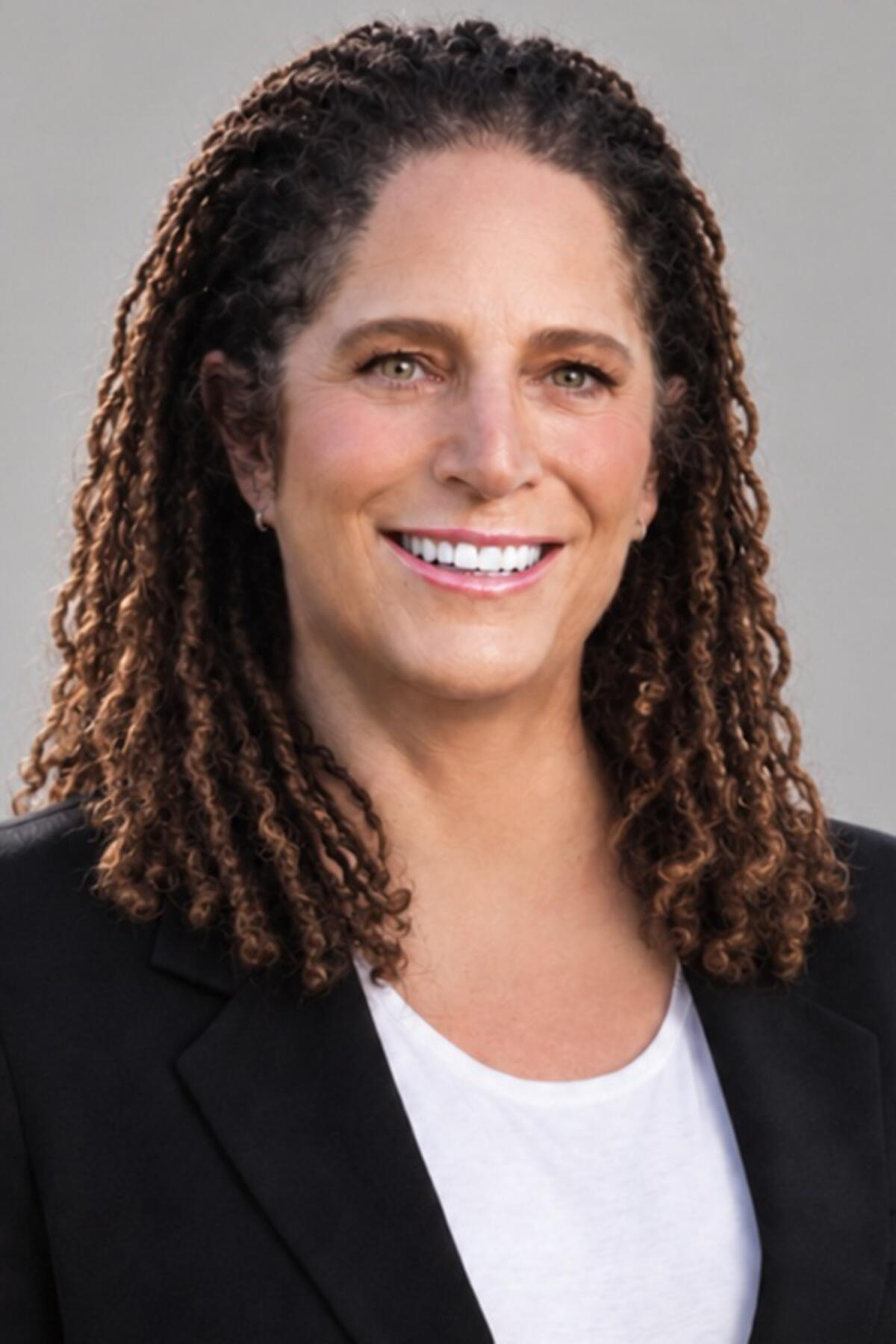


Randall Winston enters the race with significant executive experience in public infrastructure and climate resilience. Currently serving as Los Angeles’ deputy mayor under Karen Bass, Winston previously directed the California Strategic Growth Council under former Governor Jerry Brown, overseeing sustainable development funding statewide. His platform centers on treating logistical friction—not academic ability—as the primary driver of student attrition.
Winston argues that current counselor-to-student ratios are insufficient to support retention. He proposes investing in simplified onboarding systems and proactive advising models, asserting that early connection to support services correlates strongly with completion rates. On the fiscal side, he emphasizes rigorous oversight of the district’s bond program, noting that delays, litigation, or fraud in capital projects directly divert resources from classrooms. He has pledged not to balance budgets through cuts to instruction or faculty, instead prioritizing enrollment recovery as the most reliable mechanism for increasing state revenue.
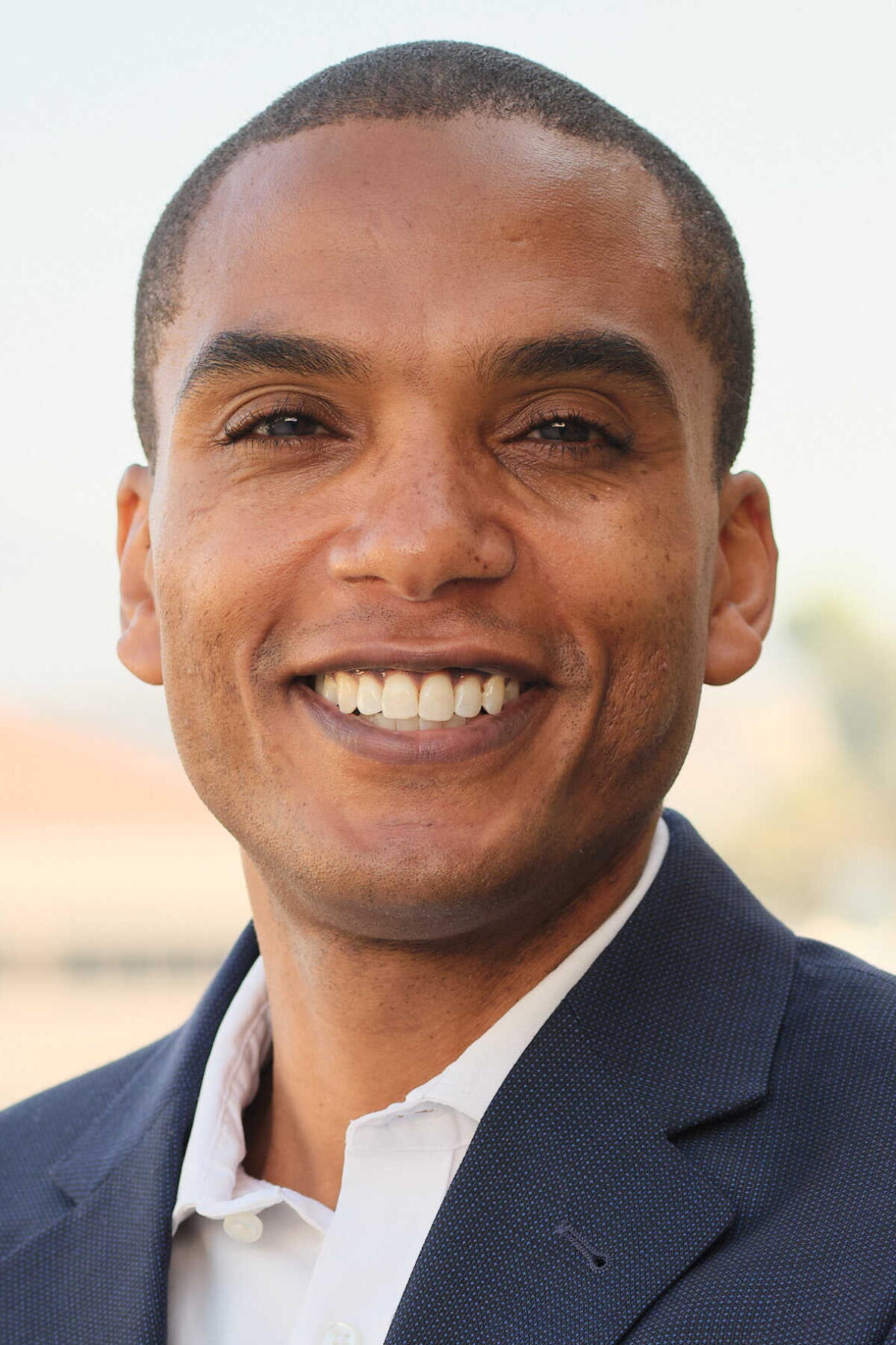
Incumbent Gabriel Buelna, 54, is seeking re-election based on his dual background as a practicing attorney and professor of history and political science at Cal State Northridge. Having previously led Plaza Community Services, a nonprofit focused on families facing economic barriers, Buelna frames his tenure around integrating social services with educational policy. His record includes advocacy for the district’s commitment of up to $500 million toward affordable housing for students and staff, a response to Los Angeles’ severe rental market pressures.
Buelna identifies affordability as the central threat to institutional stability. His priorities include expanding multilingual education, strengthening transfer pathways to four-year universities, and protecting undocumented students. He also stresses the need for transparent management of bond funds, arguing that taxpayer resources must produce measurable benefits beyond physical infrastructure. Unlike his challengers, Buelna leverages existing board relationships and familiarity with ongoing capital projects as evidence of continuity during a complex construction phase.
Tonia Arey, 56, brings a private-sector perspective rooted in real estate transactions and contract negotiation. Her campaign explicitly challenges the trustworthiness of long-serving trustees, citing a lack of term limits as a structural flaw. Following an unsuccessful June bid for the Los Angeles County Board of Supervisors, Arey has positioned herself as an outsider focused on auditing administrative overhead rather than expanding social programming.
Arey’s budget strategy targets waste, duplication, and spending unrelated to direct student outcomes. She advocates reducing unnecessary administrative expenses before considering any impact on classroom instruction or essential services. Her revenue plan includes exploring responsible uses of underutilized district property, strengthening competitive bidding processes, and pursuing donor partnerships. On campus operations, she prioritizes safety plans, flexible course scheduling, and data-driven identification of where students disengage from the system.
All three active candidates acknowledge that LACCD’s financial health depends heavily on reversing enrollment trends. State funding formulas tie apportionment to full-time equivalent students, making recruitment and retention fiscal imperatives rather than purely academic goals. Winston emphasizes apprenticeships and union career pathways aligned with labor market demands. Buelna focuses on removing socioeconomic barriers through expanded basic-needs programs. Arey seeks to streamline enrollment navigation and improve career readiness through enhanced advising.
The winner will join a seven-member board responsible for nine colleges serving approximately 100,000 students across Los Angeles. Decisions made by this body affect everything from faculty hiring and curriculum approval to the allocation of billions in construction bonds intended to modernize aging campuses. With no term limits currently in place, the seat carries significant long-term influence over how the district adapts to demographic shifts, technological change, and evolving workforce requirements in Southern California.