The 23-member grand jury met from Sept. 14 through Sept. 18, hearing more than 40 witnesses and reviewing hundreds of exhibits, including maritime GPS logs, cell phone extractions, forensic autopsy files, witness interviews, and photographs and videos recorded on Horn Island during the holiday.
Its report, released with video remarks from Jackson County District Attorney Angel Myers McIlrath, concluded that 18-year-old college student Nolan Xavier Wells died by drowning and that no credible evidence of foul play was found on the uninhabited barrier island where his body was recovered after an Independence Day gathering. The finding was described by state forensic examiners and independent pathologist Dr. Roger Mitchell as a “diagnosis by exclusion.”



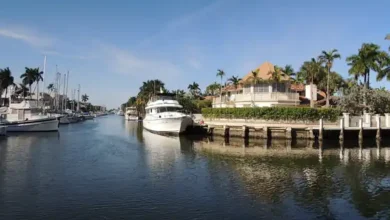
Investigators examined three vessels—the Triton, the Palm Beach, and the Tideline—that carried groups between the Mississippi mainland and Horn Island, an undeveloped strip managed within the Gulf Islands National Seashore. Records and testimony verified that the Triton took on water, developed mechanical trouble, and needed a short tow that afternoon.
Wells stayed on Horn Island voluntarily on the afternoon of July 4 while other visitors prepared to leave. The report said coastal visitors commonly arrange return trips on boats different from those they used to arrive. Search-and-rescue teams conducted an extensive search across the island on July 5 but did not find him, leading the jurors to determine that his body was not there at that time. He was seen and recovered from Gulf of Mexico waters the next morning, July 6.
The grand jury declined to indict anyone who traveled with Wells aboard the three vessels, finding that none of them committed criminal acts leading to his death. Myers McIlrath also rejected allegations that racial animus contributed to the incident, noting that several Black individuals were on the island during the holiday.
The case attracted national and Gulf Coast attention after early reports identified Wells as the only Black member of his immediate boating group and the only person who did not return on July 4. His mother, Christine Wells-Wonsley, and stepfather, Elmore Wonsley, criticized the Jackson County Sheriff’s Office throughout the summer, saying the case had been treated primarily as a death investigation rather than a homicide and questioning delays in releasing information.
Civil rights attorney Ben Crump, who represents the Wells family, said the “no true bill” did not resolve how the teenager died or how he suffered documented blunt-force injuries before his body was found. After the grand jury’s findings, Crump and his team released an independent autopsy report stating that the examination identified recent blunt force trauma and bruising to the back of Wells’ head and back.
Both the Mississippi State Medical Examiner and Mitchell, the independent forensic pathologist retained by the family, classified the official cause and manner of death as undetermined. They noted that no lethal trauma or natural disease was found and that drowning was the most probable cause by exclusion. The family’s report said available records could not establish Wells’ level of consciousness, whether he entered the water voluntarily, or why someone known to be a competent swimmer could not get out of the water.
Myers McIlrath sharply criticized public commentary about the case, saying the investigation had been surrounded by outside rumors and unfounded assertions. She also addressed disputes over digital evidence, stating that forensic evaluations found no deleted data on Wells’ cell phone after its last use. The grand jurors reviewed a 282-page extraction report from the phone after it was submitted to prosecutors; the device had been recovered from an acquaintance’s residence, prompting concerns from the family.
Although the criminal proceedings ended without indictments, letters notifying boat passengers and their families of anticipated civil claims were distributed around the time of Wells’ memorial service. People who were present on the trip have also explored defamation claims against prominent media figures and commentators, alleging that unsubstantiated public accusations led to online harassment and threats.
Under Mississippi law, homicide investigations have no statute of limitations, allowing authorities to review new, credible evidence if it emerges in the future.