UN Warns Iran Conflict Could Push 19 Million More Into Chronic Hunger by 2030
Disruptions in the Persian Gulf risk undoing years of progress in Asia and Africa as energy-driven fertilizer costs soar.
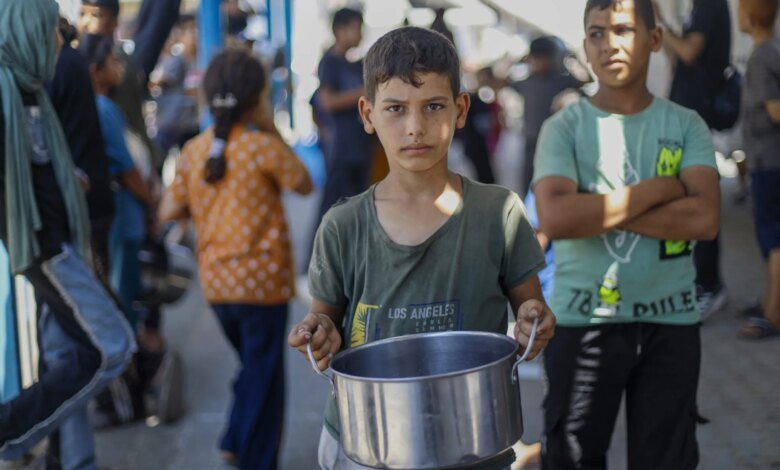
The ongoing conflict involving Iran and the resulting instability in the Persian Gulf could leave nearly 19 million additional people undernourished by the end of the decade, according to a major United Nations report released Tuesday. The findings suggest that the geopolitical crisis is effectively reversing years of progress in global food security by driving up energy costs and crippling the international fertilizer trade.
The State of Food Security and Nutrition in the World 2026, a joint publication by five UN agencies, outlines a grim trajectory for global hunger through 2030. In its most pessimistic modeling—where strikes on energy infrastructure in the Middle East cause long-term damage—the report projects that 522 million people will be chronically undernourished by 2030. This represents an increase of 18.8 million people compared to pre-conflict baselines.
The burden of this nutritional crisis is expected to fall almost exclusively on developing regions. Projections indicate that Asia will see 10 million more people facing hunger than previously anticipated, while Africa is set to see an increase of 8 million. The remaining impact is distributed across Latin America and the Caribbean. This surge in food insecurity is particularly striking given that global hunger rates had been on a downward trend, falling from 8.6% in 2022 to 7.8% in 2025.
The primary mechanism driving this hunger spike is the inextricable link between energy markets and agriculture. Natural gas is a critical raw material for the production of nitrogen-based fertilizers. When conflict threatens the Strait of Hormuz—a chokepoint through which a significant portion of the world’s oil and liquefied natural gas passes—energy prices soar, making fertilizer prohibitively expensive for small-scale farmers.
Máximo Torero Cullen, chief economist of the Food and Agriculture Organization (FAO), noted that the crisis in the Persian Gulf erodes a significant portion of the gains the international community had hoped to achieve. Because fertilizer is a globally traded commodity, a supply shock in the Middle East transmits price increases to every corner of the globe. Farmers facing higher input costs often respond by reducing fertilizer use, switching to less productive crops, or leaving fields fallow, which ultimately shrinks the global food supply and inflates prices at the grocery store.
The scale of the projected impact invites comparisons to some of the most devastating humanitarian disasters in history. While the UN report measures chronic undernourishment rather than immediate mortality, the 18.8 million figure is significantly higher than the estimated death tolls of the Holodomor in the 1930s or the Irish Potato Famine of the 1840s. It underscores how modern, interconnected supply chains can turn a regional military conflict into a global nutritional catastrophe.
Economic experts point out that the pain is felt most acutely in lower-income nations where food represents a massive share of household spending. Unlike wealthier nations in North America or Europe, which have the financial cushion to absorb price spikes, populations in Africa and Asia face inelastic demand; they cannot simply stop buying food when prices rise, leading to immediate nutritional deficits. This disparity highlights a growing divide in global resilience, where geopolitical volatility in one region can dictate the survival of millions thousands of miles away.