Moonshot AI’s Kimi K3 Launch Rattles Markets as Open-Weight Model Challenges U.S. Dominance
A new 2.8-trillion-parameter open-weight model from China is challenging the performance of OpenAI and Anthropic while rattling chip stocks.
The global artificial intelligence landscape shifted late Thursday as Moonshot AI unveiled Kimi K3, a massive 2.8-trillion-parameter open-weight model that has sent shockwaves through the semiconductor industry. The launch, which occurred in the overnight hours for Western markets, immediately reignited fears that the competitive moat enjoyed by U.S. AI giants is narrowing faster than anticipated.
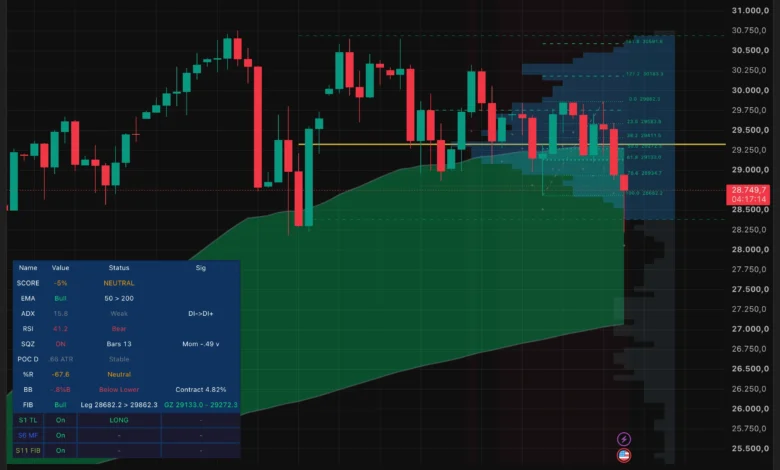
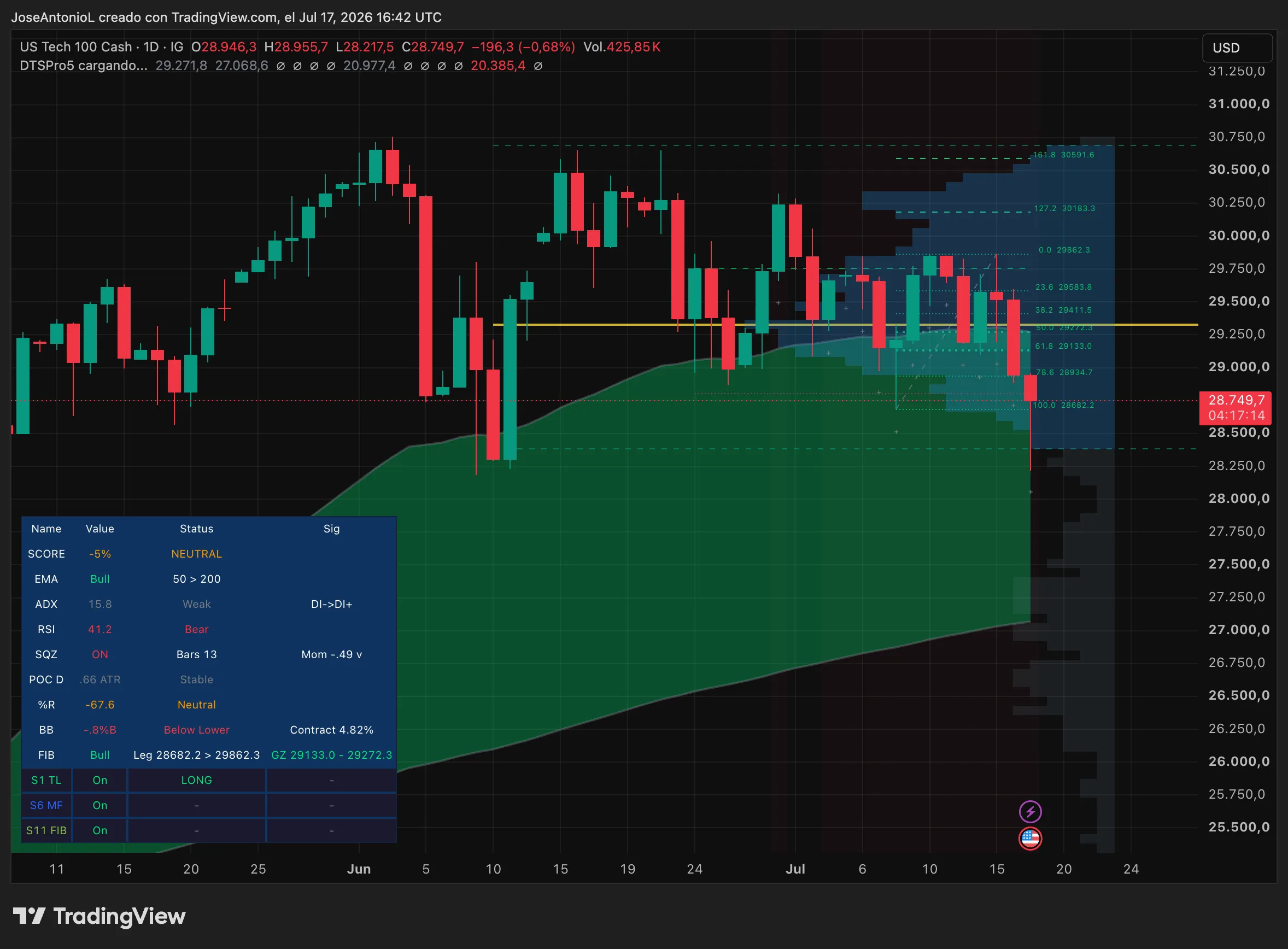
The market reaction was swift and severe. By Friday, semiconductor and AI-related equities were in a broad retreat. Taiwan’s benchmark index plummeted more than 6%, while Japanese markets closed down 4%. In the U.S., the tech-heavy Nasdaq slid 1.5%, marking its most difficult session of the week as investors reassessed the long-term demand for high-end hardware in a world where efficient, open-source alternatives are becoming increasingly viable.
Industry observers are drawing direct parallels to the “DeepSeek moment” of early 2025. When DeepSeek released its R1 model in January, it shattered the long-held industry assumption that frontier-level AI performance required exponential increases in capital expenditure and massive chip orders. That single event caused Nvidia to shed approximately $590 billion in market capitalization in one day. The Kimi K3 release appears to be a continuation of that trend, challenging the necessity of the massive infrastructure spending currently being undertaken by Silicon Valley leaders.
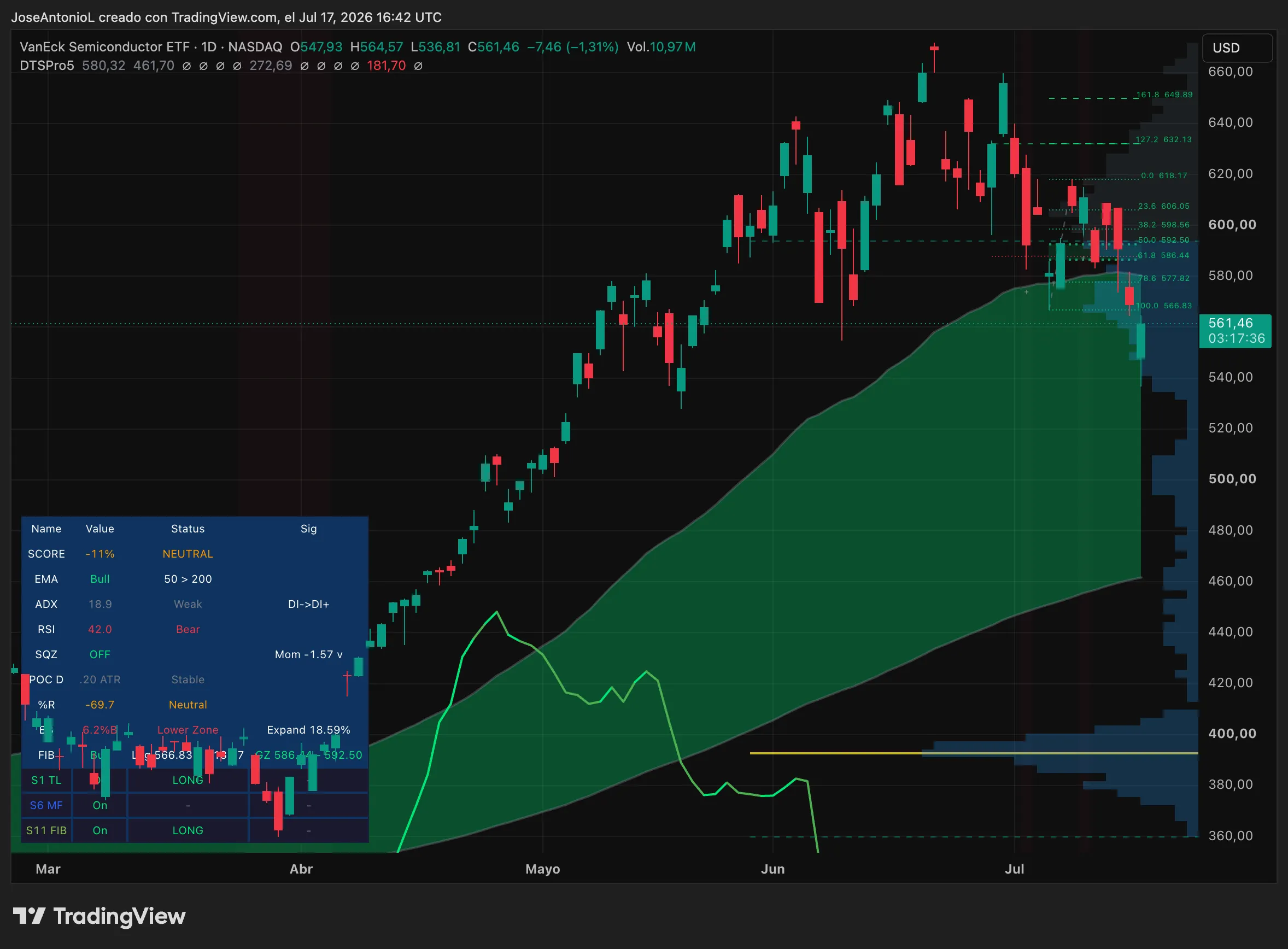
Technical indicators suggest the sell-off may have deeper momentum. The VanEck Semiconductor ETF (SMH), a primary barometer for the sector, fell below its EMA support band—the exponential moving average that has tracked its price trend for months—for the first time since April. This move extends a significant correction that has left the ETF more than 20% below the record highs it reached in late June.
The technical prowess of Kimi K3 is what has truly unnerved the market. On the Artificial Analysis Intelligence Index—an independent composite benchmark that evaluates Large Language Models (LLMs) across reasoning, mathematics, coding, and general knowledge—K3 achieved a score of 57. This puts it ahead of Claude Opus 4.8 and GPT-5.5, and places it on par with top-tier models like Claude Fable 5 and OpenAI’s GPT-5.6 Sol. Remarkably, Kimi K3 outperformed these rivals in specific sub-benchmarks while operating at a significantly lower cost structure.
Crucially, Moonshot AI has committed to releasing the full weights of the model by July 27. The model will be distributed under a Modified MIT license, a move that effectively democratizes frontier-level AI by allowing smaller labs and independent developers to access and run the model for free. If the model’s performance holds up under independent scrutiny following the weight release, the pressure on U.S. AI companies to justify their multi-billion dollar infrastructure budgets will intensify.
Wall Street analysts noted that while the timing was a surprise, the technological trajectory was not. Bernstein analyst Robin Zhu described the release as “confirmatory,” noting that it validates the view that Chinese AI labs are capable of keeping pace with the global state-of-the-art. Zhu added that K3 suggests China AI can “take some share over time” as the technology continues to evolve rapidly.
Morgan Stanley’s Gary Yu echoed this sentiment, framing K3 as the result of steady, compounding progress rather than an isolated breakthrough. Yu noted that the model has already received positive feedback globally, signaling an “all-round catch-up” by Chinese LLMs in terms of model size, performance, and aggressive pricing.
Moonshot AI’s rise has been fueled by significant domestic backing. The startup is supported by Alibaba, which led a $1 billion funding round in 2024 when the company was valued at $2.5 billion. Following its recent successes, Moonshot AI is now valued at approximately $31.5 billion. The company’s influence is already being felt in Western developer circles; it was recently revealed that Cursor’s popular Composer 2 tool was utilizing Moonshot’s Kimi K2.5 as its underlying open-source base prior to official acknowledgement by the Cursor team.