Cholesterol Treatment Praluent to Join TrumpRx Direct Portal with 60 Percent Price Reduction
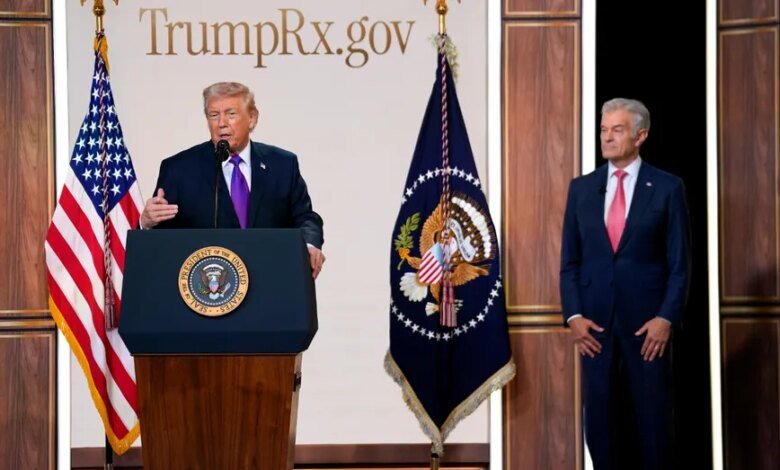
The cardiovascular medication Praluent will be listed on the federal drug pricing platform TrumpRx.gov on Friday, marking a 60 percent price reduction for cash-paying patients. Under the updated pricing structure, a one-month supply of the injectable drug will cost $225, down from its standard retail rate of $537.
Praluent, which is designed to lower cholesterol levels and reduce the risk of heart attacks and strokes, was jointly developed by Regeneron Pharmaceuticals and Sanofi. Regeneron manages domestic commercialization and logistics within the United States, while Sanofi handles international distribution. As a PCSK9 inhibitor, the biologic therapy offers an alternative targeted mechanism for high-risk patients who require significant LDL cholesterol reduction beyond what conventional statin therapies provide.
The listing comes as White House records indicate that American consumers have saved more than $700 million on prescription therapies through TrumpRx.gov and associated most-favored-nation pricing agreements. The digital storefront currently features over 800 generic and brand-name products supplied by 17 major pharmaceutical producers. Recent catalogue additions include formulations from Merck, Sanofi, and Bristol Myers Squibb, the latter of which contributed three separate medications to the program.
“TrumpRx.gov is a historic game changer for American patients, and this innovative initiative reflects how President Trump hasn’t been afraid to think outside the box to lower prescription drug prices,” White House spokesman Kush Desai said, noting that the administration remains focused on expanding direct-to-consumer savings.
The policy framework relies on a “most-favored-nation” benchmark, an administrative mechanism intended to match domestic pharmaceutical costs with the lower prices paid in other developed economies. To enforce compliance and encourage domestic pharmaceutical supply chains, participating companies can secure exemptions from upcoming trade penalties. Manufacturers that agree to the pricing benchmarks and commit to expanding domestic manufacturing facilities will avoid a 100 percent tariff on imported drugs set to take effect on August 1, 2028, which is scheduled to double to 200 percent the following year.
The strategy arrives amid heightened focus on healthcare costs by leadership at the Centers for Medicare & Medicaid Services, headed by Administrator Mehmet Oz. By linking trade exemptions to domestic factory expansion, federal policy aims to reduce national dependence on overseas production of active pharmaceutical ingredients while simultaneously curbing retail drug expenditures.