U.S. Mortgage Rates Reach 11-Month High as Inflation Concerns Keep Pressure on Buyers
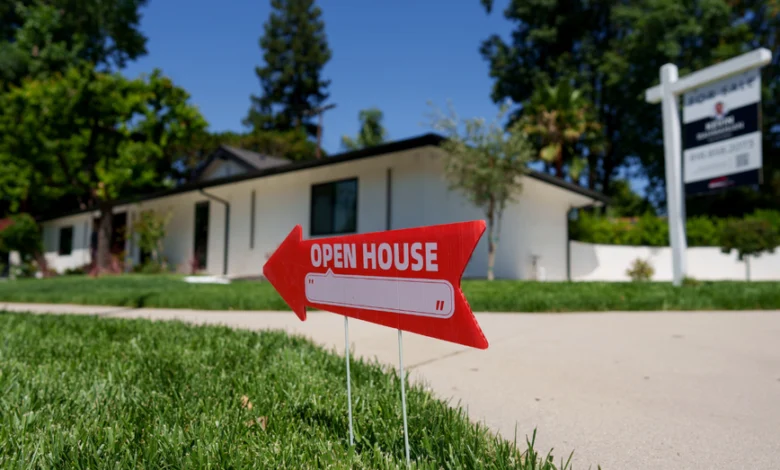
U.S. home financing costs climbed to their highest level in nearly a year this week, placing renewed pressure on prospective homebuyers even as overall home price growth begins to cool.
According to benchmark data published Thursday by government-sponsored enterprise Freddie Mac, the average rate on a benchmark 30-year fixed mortgage edged up to 6.58%, compared to 6.55% last week. The latest figure represents the highest borrowing cost recorded since August 2025, though it remains below the 6.74% rate logged during the same week last year.
Shorter-term loan costs also trended higher. The average 15-year fixed mortgage rate moved up to 5.96%, increasing from 5.93% the prior week and outpacing its 5.87% level from one year ago.
While mortgage rates are not directly set by Federal Reserve policy, they closely track movements in the 10-year Treasury yield, which hovered near 4.699% on Thursday. Historically, the spread between the 10-year yield and the 30-year fixed mortgage rate averages between 1.5 and 2 percentage points. However, persistent economic volatility and energy market uncertainty have kept borrowing spreads wider than long-term historical norms. Financial guidelines suggest that every single percentage point gain in interest rates reduces a homebuyer’s purchasing power by roughly 10%.
Recent bond market yields reflect mounting anxieties over international tensions, specifically renewed conflicts involving the U.S. and Iran. Elevated crude oil prices have sparked concerns that rising energy expenses could reignite broader inflation. Jeff DerGurahian, chief investment officer and head economist at LoanDepot, noted that home buyers should weigh the total long-term expenses of homeownership rather than trying to time future interest rate shifts.
Freddie Mac chief economist Sam Khater emphasized that shoppers can still find savings despite high borrowing benchmark levels, noting that comparing rate quotes across multiple financial institutions can yield thousands of dollars in savings over the life of a loan.
The tick upward in interest rates arrives alongside shifting market dynamics for real estate values. Midyear updates to housing market projections from Realtor.com anticipate that home price growth will moderate to 1.2% this year. Because that pace trails general inflation, home prices are effectively set to experience a slight real decline in inflation-adjusted terms, offering modest relief to buyers previously sidelined by elevated costs.
Structural housing shortages continue to complicate affordability across the country. Business leader Marcus Lemonis pointed out that high real estate prices stem primarily from acute supply constraints rather than regulatory red tape alone, emphasizing that essential building permits and safety inspections remain necessary protections that cannot simply be cut to lower market prices.