Senate Crypto Bill Faces Partisan Gridlock Over Consumer Protections and Ethics
Democrats push for stronger consumer safeguards while ethical concerns over Donald Trump's crypto holdings loom large.

The United States Senate is preparing for a pivotal vote on the Digital Asset Market Clarity (CLARITY) Act, a piece of legislation poised to become the most comprehensive regulatory framework for the cryptocurrency industry to date. However, behind-the-scenes negotiations reveal a deep partisan divide over consumer safety measures and potential conflicts of interest.
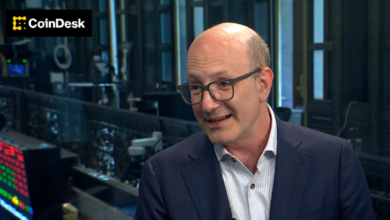
During a Monday interview with CNBC, Coinbase vice chair Ryan VanGrack disclosed that Senate Democrats have successfully integrated stricter consumer safeguards into the bill. According to VanGrack, these additions are designed to give “more teeth” to the legislation, ensuring that customer interests are prioritized over the existing regulatory vacuum.
This represents a significant shift for Coinbase, the largest cryptocurrency exchange in the United States. In January, Coinbase CEO Brian Armstrong disrupted progress on the bill by publicly declaring that the exchange could not support the draft, which delayed a scheduled markup in the Senate Banking Committee. Since then, the company has reversed its stance. Several top executives, including chief legal officer Paul Grewal, have publicly urged lawmakers to pass the bill.
The regulatory environment for digital assets has shifted dramatically over the past year. Under the Biden administration, the U.S. Securities and Exchange Commission pursued an aggressive enforcement strategy, filing a high-profile lawsuit against Coinbase for operating as an unregistered broker, exchange, and clearing agency. That legal battle was abruptly dropped following the inauguration of President Donald Trump, whose administration appointed Mark Uyeda as the acting SEC chairman.
Despite the regulatory relief, the CLARITY Act faces lingering hurdles in the Senate. Democratic lawmakers remain concerned about the lack of explicit ethics provisions in the current draft. These anxieties are compounded by Trump’s personal financial ties to the sector. In June, financial disclosures revealed that Trump earned $1.4 billion from digital asset investments, including his family-backed crypto project World Liberty Financial and the Official Trump (TRUMP) memecoin.
Republican lawmakers met with Trump on Thursday to discuss the bill’s path forward. Trump has publicly championed the legislation, urging senators on social media to pass the CLARITY Act to honor the late South Carolina Senator Lindsey Graham, whom Trump described as an ardent supporter of the bill.
Meanwhile, Senate Democrats held their own closed-door meeting on Wednesday to solidify their legislative strategy. As of Monday, the final text of the CLARITY Act has not been made public, and leadership has yet to schedule a formal floor vote.