Coventry City Faces Premier League Reality After Spurs Test
The newly promoted club confronts the financial realities of England's top flight after traveling to north London for the 2026/27 season fixture.
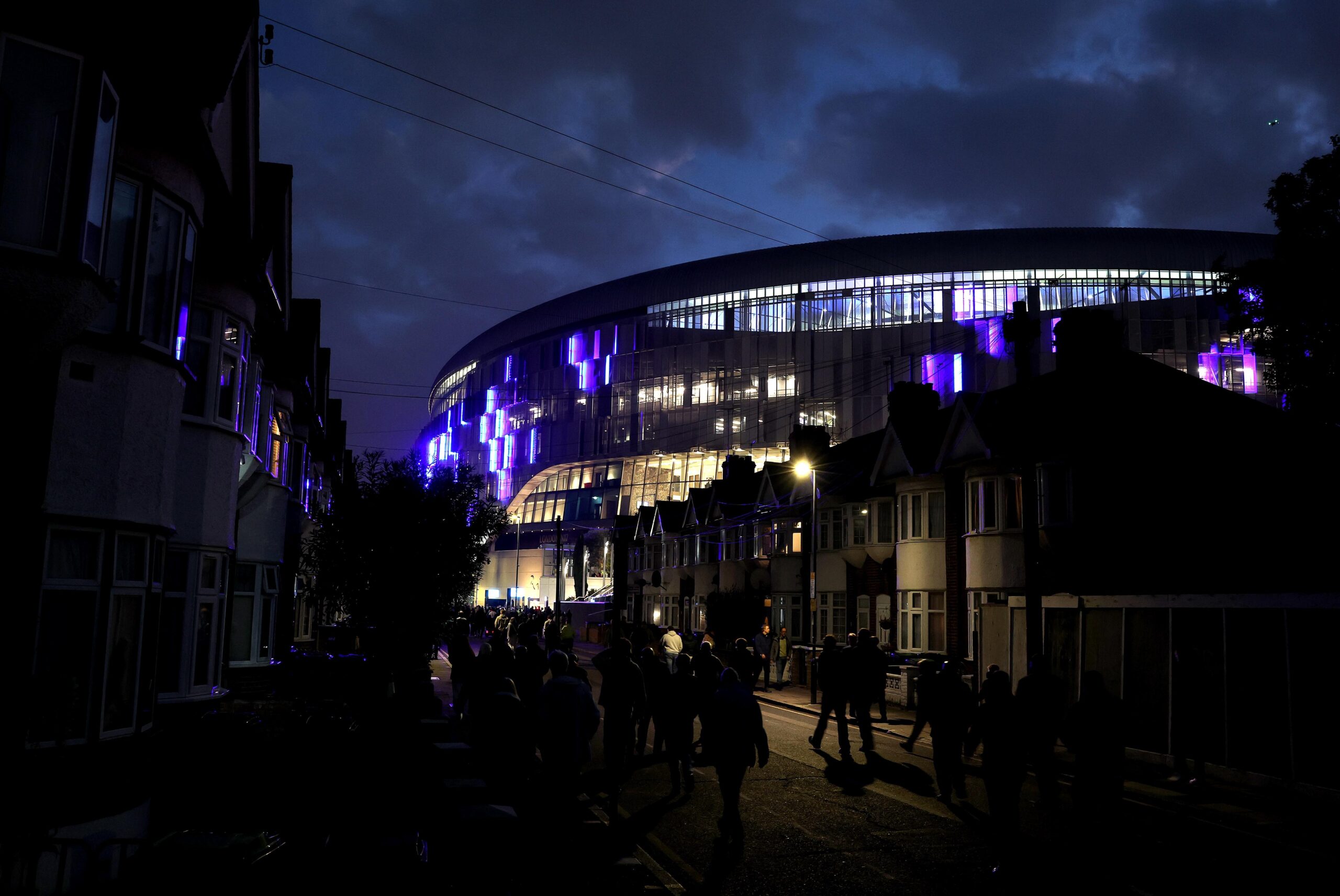
LONDON — Coventry City’s return to the Premier League carried a stark financial reminder on Oct. 19, as the club traveled to Tottenham Hotspur Stadium for a fixture that underscored the massive revenue gap between England’s top-flight incumbents and its newest arrivals.

The match, part of the 2026/27 Premier League season, pitted a club with a £1 billion stadium against one that spent three decades clawing back from relegation. According to Getty Images, fans walked toward the north London venue ahead of kickoff, many making the trip from the West Midlands to witness their team compete at the highest level of English football for the first time since the 2000/01 campaign.


Promotion changes everything for a club like Coventry. The Premier League’s central broadcast payout alone guarantees newly promoted teams more than £100 million in their first season, according to league distribution figures published earlier this year. For a club that navigated administration in 2012 and played home matches at Burton Albion’s Pirelli Stadium during a bitter ground dispute with the owners of the Ricoh Arena, the financial injection is transformative.
Tottenham represents the opposite end of the spectrum. The club’s move to its new 62,850-seat stadium in 2019 was designed explicitly to generate non-matchday revenue through NFL games, concerts, and corporate hospitality. Deloitte’s most recent Football Money League ranked Spurs among the top 10 highest-earning clubs globally, driven largely by those commercial operations.
This disparity defines the modern Premier League experience for promoted sides. Coventry City must now navigate a division where established clubs operate with wage bills that frequently exceed £200 million annually. Historical data shows that roughly half of all newly promoted teams face immediate relegation battles, often because their squads lack the depth required to sustain injuries across a 38-game schedule.
The Sky Blues’ journey back to the top flight involved multiple ownership changes and a stint in League Two, English football’s fourth tier. Their promotion capped a rebuilding effort that few outside the West Midlands expected to materialize so quickly. Away fixtures against clubs with Tottenham’s infrastructure will serve as the primary benchmark for whether that rebuild can survive top-flight scrutiny.