
Apple Watch Series 12 and Ultra 4 Pre-Orders Open, Launch Set for September 18
watchOS 27 Debuts September 14 with Siri and Audio Intelligence Upgrades
Pre-orders have opened for the Apple Watch Series 12 and Apple Watch Ultra 4, establishing a retail release date of September 18 across store locations and online channels. The entry-level Series 12 starts at $399, while the top-tier Ultra 4 carries a starting price of $799.
The launch of both wearable devices is aligned with the public release of watchOS 27, which Apple will deploy as a free software update on September 14.
When watchOS 27 debuts on September 14, the core Siri artificial intelligence updates will initially be available in English. Apple plans to broaden regional access in October, introducing native language support for French, Japanese, Korean, Portuguese, and Spanish. The watchOS 27 update will introduce an expanded software framework that includes localized Siri updates and new ambient audio processing functions.


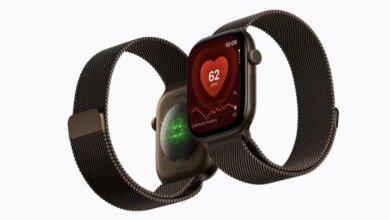
Both new smartwatch models feature upgraded biometric sensors. HRV measures the millisecond differences between consecutive heartbeats, serving as a primary metric for assessing physical recovery, stress responses, and overall autonomic nervous system activity. The Series 12 and Ultra 4 contain hardware modifications designed to increase the precision of optical heart rate readings and heart rate variability (HRV) tracking.
Hardware updates on the Apple Watch Ultra 4 also include expanded battery capacity, building on the multi-day battery life profile established when the original Ultra tier debuted in 2022. Both new models retain the physical Digital Crown control mechanism, an input interface present since the introduction of the first Apple Watch in 2015.
The watchOS 27 platform introduces four distinct Audio Intelligence capabilities to the Series 12 and Ultra 4, divided between real-time environmental monitoring, media detection, and conversational transcription.
For hard-of-hearing users, watchOS 27 integrates an enhanced Sound Recognition system. The watch continuously monitors ambient acoustic frequency patterns for specific critical sounds, including emergency vehicle sirens, smoke alarms, doorbells, and crying infants. Upon detecting a matching frequency, the hardware alerts the user via wrist-based haptic feedback and high-contrast visual display notifications.
Media identification on the hardware is supported by automated Music Recognition. Leveraging Shazam—the audio identification platform Apple acquired in 2018 for approximately $400 million—the operating system automatically identifies background music and populates artist and title information directly into the Smart Stack interface. Introduced in watchOS 10 in 2023, the Smart Stack displays dynamic, context-aware information widgets when turning the Digital Crown, eliminating the need for users to open a dedicated application to identify active songs.
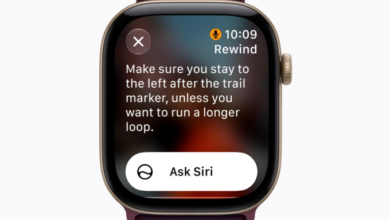
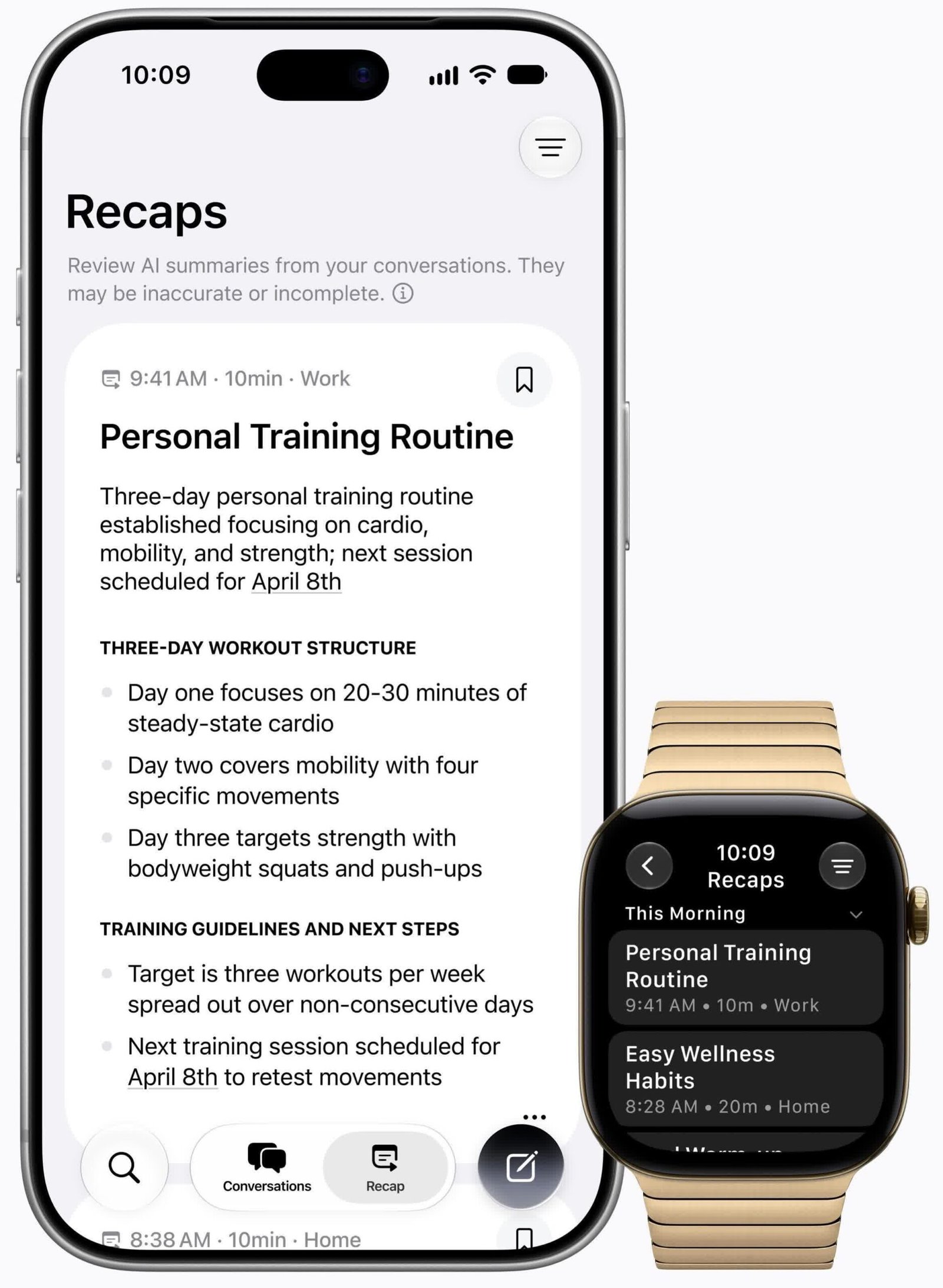
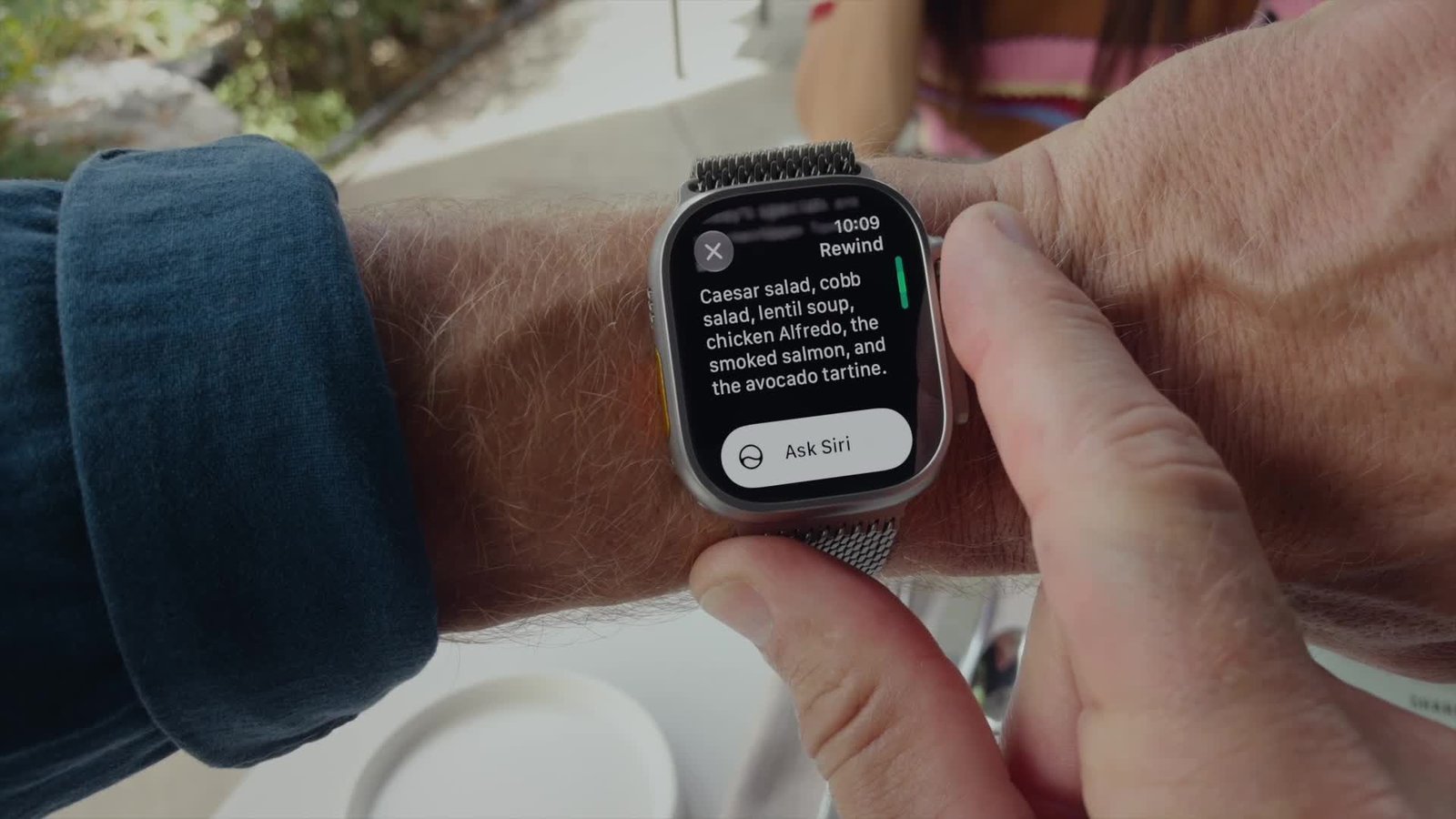
The remaining Audio Intelligence features focus on ambient speech processing, both scheduled to enter public beta testing in late 2026. *Live Rewind*: Triggered when a user double-presses the Digital Crown, this function presents an on-screen text transcript covering the previous 15 seconds of detected speech. Users can review the brief snippet and elect to transfer the text directly into the native Siri app for long-term storage. *Siri Recap*: Designed to track extended verbal interaction, this feature operates in the background throughout the day to assemble consolidated text summaries of conversations.
To manage privacy and data security, Apple has structured the technical execution of these audio tools across isolated hardware environments and server architecture. Raw audio recorded by the smartwatch or paired iPhone microphones is funneled directly into a secure hardware enclosure within the processor. This partition is mathematically isolated from both the primary operating system and user-accessible storage. Neither the device user nor Apple can extract or listen to the raw audio recording; only generated text outputs can be accessed.
For the short-term Live Rewind function, incoming audio streams continually overwrite older cached audio files in real time. For Siri Recap, the underlying master audio files are deleted immediately after the local machine-learning models convert the speech to text. The feature uses automated filtering algorithms to screen out and remove sensitive personal data prior to saving, including government identification numbers, financial figures, and flagged harmful material. Summaries remain available locally for seven days before being automatically deleted, unless explicitly saved by the user.
Summarization processing for Siri Recap utilizes Private Cloud Compute (PCC), Apple’s dedicated remote processing framework built on custom Apple Silicon hardware. Before leaving the local device, text transcripts are condensed and end-to-end encrypted to transmit only necessary contextual meaning. The PCC server architecture processes the encrypted data transiently, preventing persistent storage or remote access by Apple personnel during the generation of the summary.