
Apple Watch Series 12 and Ultra 4 Debut with Privacy-First AI and 24x Faster HRV Capture
S11 SiP, 24x HRV, and up to 84 hours of battery life
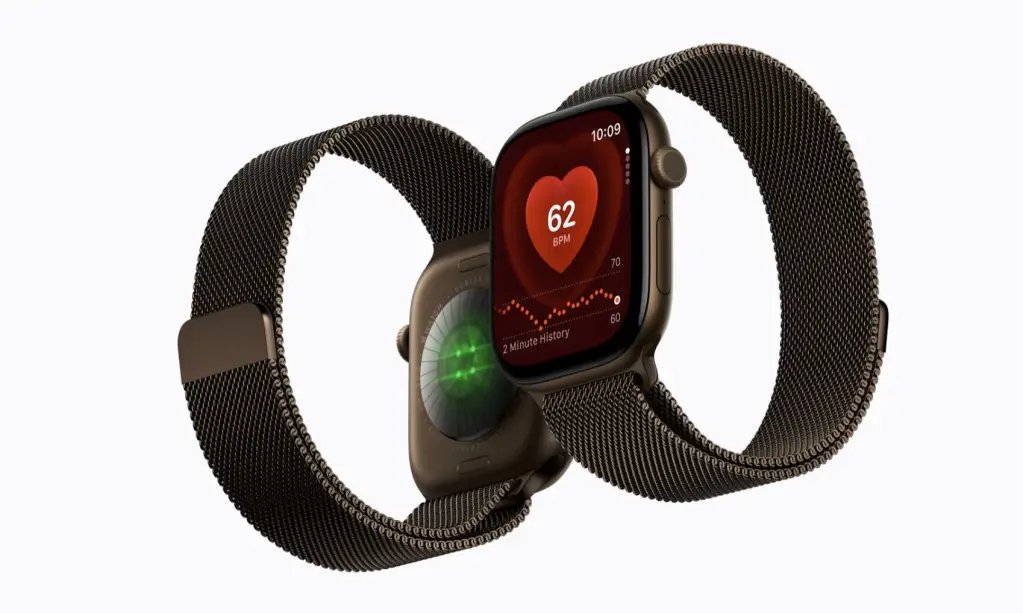
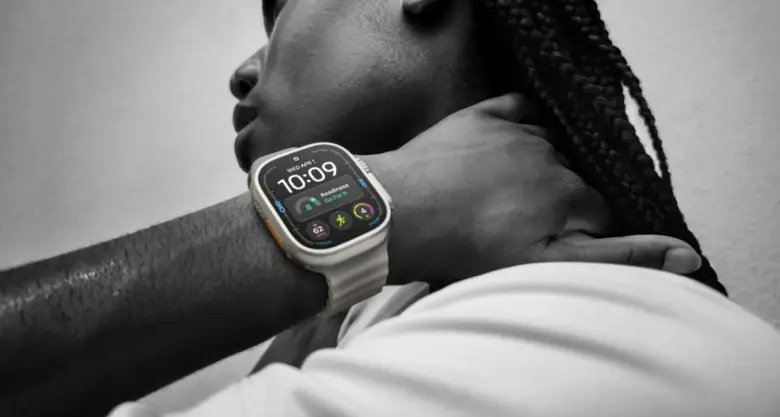
Apple Inc. introduced an overhauled wearable hardware architecture at its annual September showcase, debuting the Apple Watch Series 12 and Apple Watch Ultra 4 alongside the iPhone 18 Pro and iPhone Duo. Powered by a new custom S11 System in Package (SiP), the flagship smartwatches incorporate an isolated silicon compartment for privacy-focused artificial intelligence alongside a reengineered sensor subsystem designed for high-frequency biometric monitoring.
Pricing for the Apple Watch Series 12 begins at €449 for the 42mm aluminum model and €499 for the 46mm aluminum variant, available in Black, Space Gray, Light Gold, and Dark Bronze. Titanium models, offered in Natural Titanium and Gold, are priced at €799 for 42mm and €849 for 46mm. Apple has also brought back ceramic chassis options for the Series 12 in White and Blue finishes, priced at €1,049 for the 42mm option and €4,099 for the 46mm configuration.
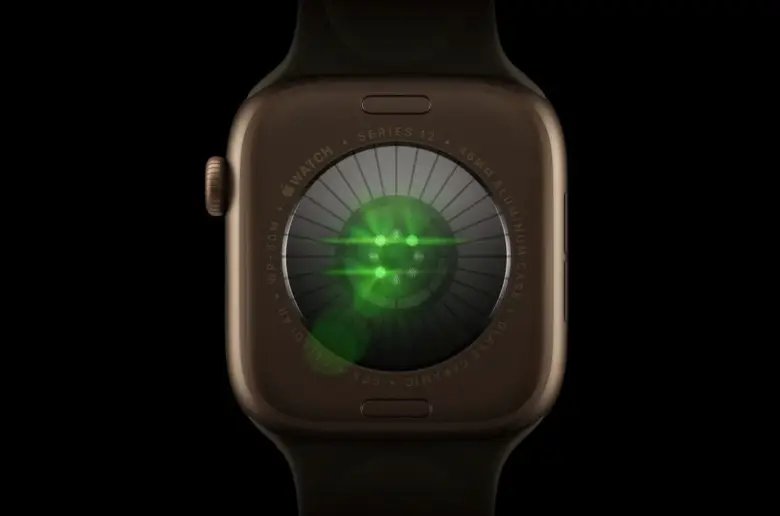

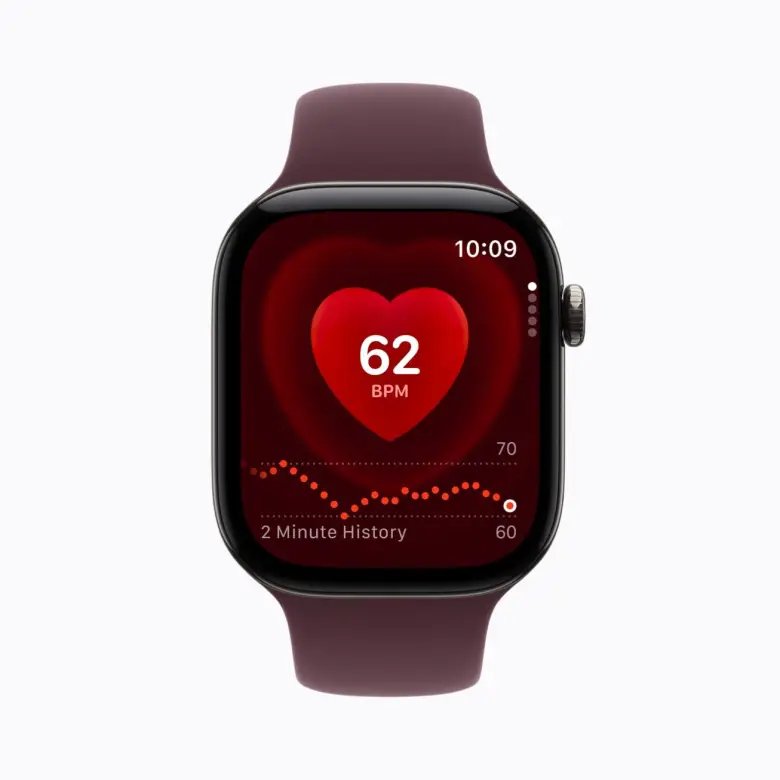
At the core of the biological tracking upgrades is the Health Sensing System. Built into the optical sensor array on the underside of the Series 12 chassis, the hardware utilizes larger and more energy-efficient green light-emitting diodes (LEDs). Operating on photoplethysmography (PPG)—a technology that measures blood flow variations by emitting light into wrist tissue—the re-engineered array records heart rate readings every five seconds continuously throughout the day. This expanded hardware sampling rate allows Heart Rate Variability (HRV) to be captured up to 24 times more frequently than in previous generations.
The updated lineup will be available for retail delivery starting September 18, 2026, with pre-orders opening immediately following the announcement. Apple’s focus on biometric expansion builds upon an evolution that began with the original Apple Watch in 2015, which ran on the S1 processor and focused primarily on basic activity tracking. Subsequent hardware revisions introduced single-lead electrocardiography (ECG) on the Series 4 in 2018, pulse oximetry for blood oxygen detection on the Series 6 in 2020, and dual-temperature sensors on the Series 8 in 2022.
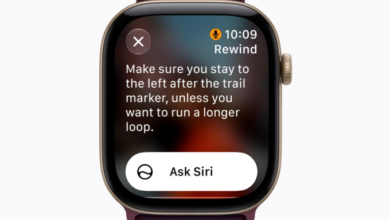
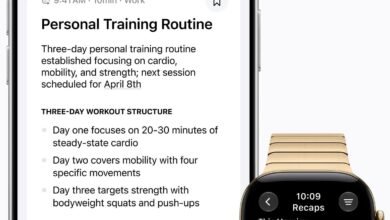
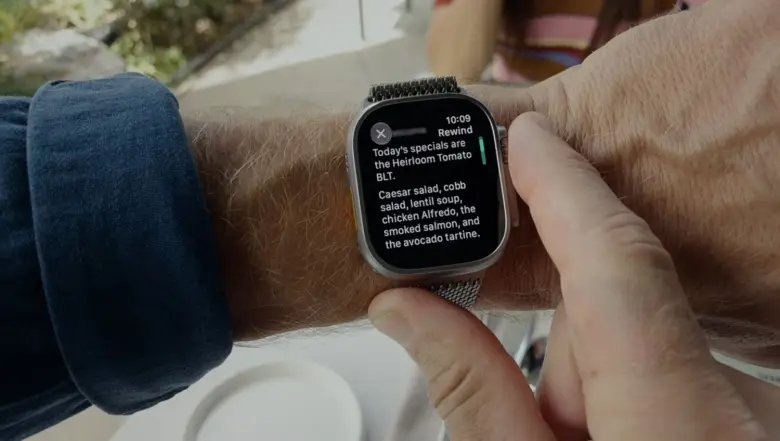
On-device intelligence processing has also been re-architected. The S11 SiP features an isolated processing compartment that executes “Audio Intelligence” tasks locally on the wearable. The system processes ambient audio signals to assist users with key conversational recall and environmental noise awareness before immediately deleting the raw audio data from memory. Both the Series 12 and Ultra 4 leverage this processing infrastructure to host an updated Siri assistant that references personal context on the wrist without uploading raw request payloads to remote servers.
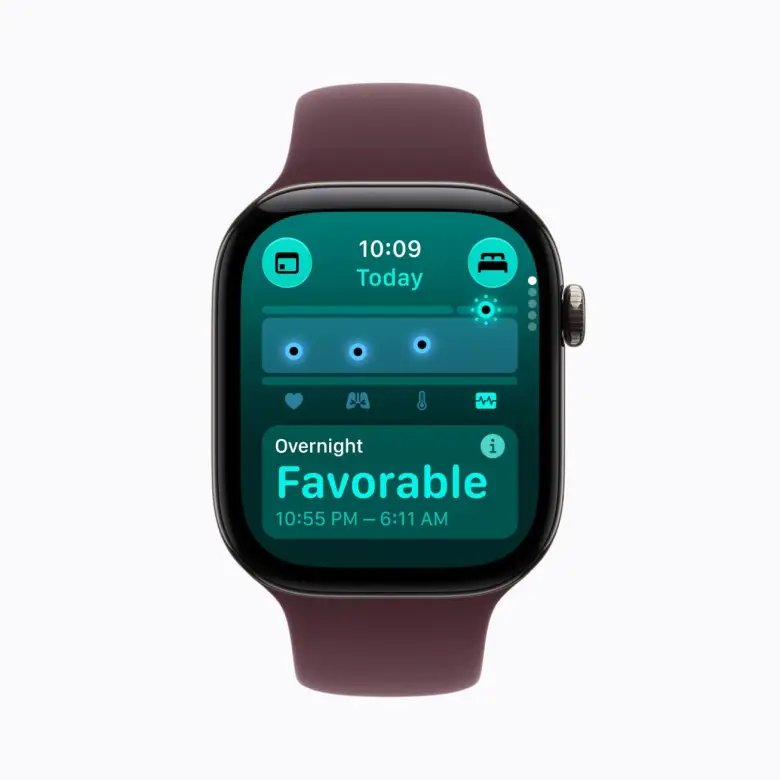
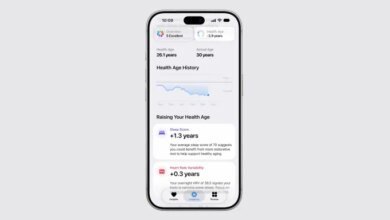
The data is parsed into a newly created section within the companion Health app, where software algorithms differentiate between “recovery HRV” and “general HRV” to identify daily physiological stress indicators. Complementing the biometric hardware, Apple retrained its step-counting pedometer using new machine learning models to improve movement tracking accuracy. Sensor data feeds directly into a Physical Readiness scoring system, which synthesizes metrics across training load, vitals, and sleep patterns to generate recommendations on whether users should engage in high-intensity training, moderate effort, or rest.
The Apple Watch Ultra 4, housed in a Natural Titanium or Black Titanium casing, is priced at €899 when equipped with Alpine Loop, Trail Loop, or Ocean Band options, and €999 when paired with a titanium Milanese Loop. Targeted at endurance sports and outdoor applications, the Apple Watch Ultra 4 shares the S11 chip, the Health Sensing System, the machine-learning pedometer, and the Physical Readiness scoring feature with the Series 12, while incorporating a higher-capacity battery.
Power efficiency adjustments keep the Series 12 at a standard 24-hour battery life while increasing continuous outdoor exercise tracking with active GPS to 10 hours. Hardware updates to the charging system allow a 15-minute charge to deliver up to 12 hours of operational battery life. The 5-second optical monitoring on the Series 12 represents a shift from the periodic, intermittent background sampling utilized in earlier generations.
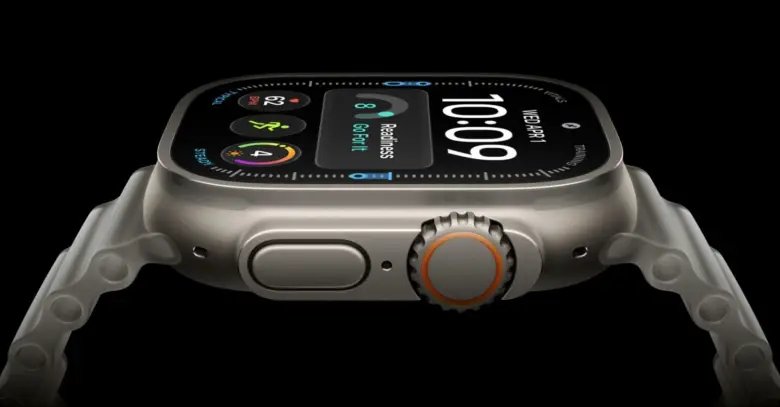
First introduced in September 2022 to enter the rugged multi-sport market, the Ultra line enters its fourth generation providing up to 50 hours of standard daily battery life, which can be extended to 84 hours when operating in Low Power Mode. Connecting the device to a charger for 15 minutes adds up to 18 hours of usage. For long-distance activities and endurance events, the Ultra 4 includes two specialized power tracking modes: Extended Workout Mode provides up to 25 hours of continuous exercise monitoring with active GPS and persistent heart rate tracking. Max Extended Workout Mode adjusts sampling intervals to achieve up to 45 hours of continuous metric tracking for marathon and ultra-endurance sessions.