

Trump Threat to Ban Bombardier Planes Collides with Red-State Aerospace Jobs
A proposed ban on Canadian jets puts U.S. aerospace jobs and defense contracts in the crossfire
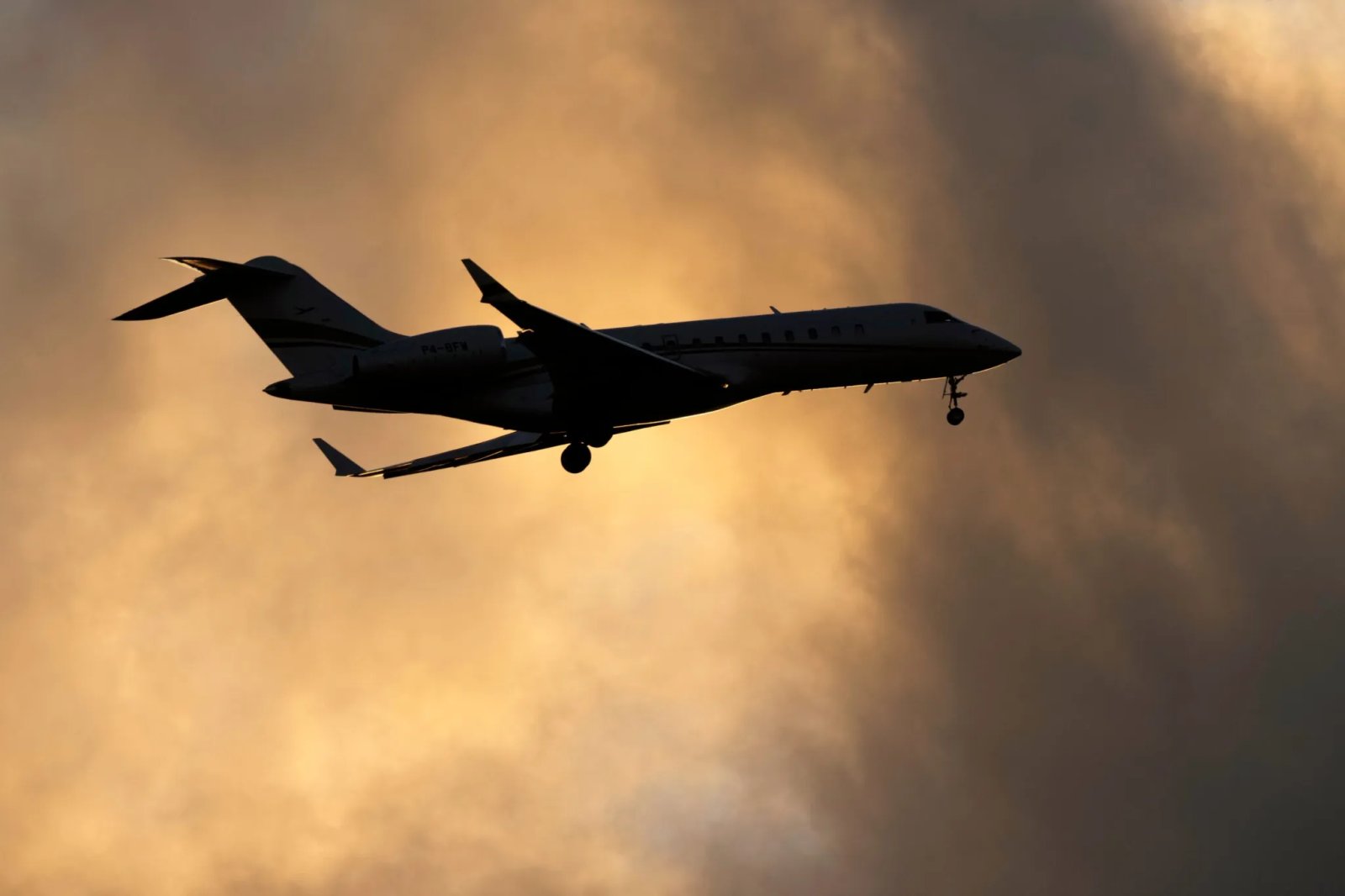
Republican Sen. Jerry Moran of Kansas moved to shield Bombardier from President Donald Trump’s threatened U.S. sales ban, putting the Canadian jetmaker’s Wichita operations at the center of a dispute within Trump’s own political coalition. Trump won Kansas by about 16 percentage points in 2024.
Bombardier supports more than 1,000 Kansas workers, Moran wrote in a Monday social media post. “I reached out to the Trump administration to make certain the President is aware of the significant contributions of Bombardier to Kansas and the importance of its presence in Wichita to many Kansas workers at Bombardier and in the Bombardier supply chain,” he said. Moran promised to continue working to keep the planemaker’s manufacturing operations in the state.
Wichita is also home to Bombardier’s major Flight Test Center, specialized service facilities and engineering divisions. Those operations occupy the historic Learjet industrial complex that Bombardier acquired in 1990 and form part of the region’s aerospace corridor.

“NO MORE SELLING BOMBARDIER IN THE UNITED STATES! Their products aren’t good enough!” Trump wrote Monday. “If they want our Market, they must build here, and stop treating America like a ‘piggybank.’”
The demand would require Bombardier to manufacture planes in the United States or risk losing access to the American market. Under the United States-Mexico-Canada Agreement and World Trade Organization civil aircraft agreements, cross-border civil aviation trade between the United States and Canada has duty-free status. An outright executive ban would create legal and treaty conflicts and would be unprecedented outside formal national security embargoes.
Canada’s defense purchasing decisions have added another point of friction. Prime Minister Mark Carney’s government announced earlier this year that it would buy six early warning radar planes from Sweden’s Saab and Bombardier rather than Boeing’s U.S.-made E-7A Wedgetail.
The Saab aircraft use Bombardier’s Global 6500 platform and contain 20% U.S. content. The other alternative was the Aeris X, made by L3Harris.
A previous dispute over Bombardier’s aircraft also involved Boeing. In 2017, the U.S. Commerce Department imposed 300% tariffs on Bombardier’s CSeries jet after complaints from Boeing. The measure ultimately backfired on U.S. protectionist goals when Airbus acquired the program and assembled the jets in Mobile, Alabama.
Across 47 states, roughly 2,800 American companies supply Bombardier, including firms making components for its business jets. Wings are produced in Texas, while flight-control components are made near Los Angeles.
Bombardier’s American footprint includes direct employees and supply-chain workers. The company said the U.S. aerospace industry is a “clear winner on trade and exports” and that it creates tens of thousands of jobs.
“Bombardier values its great partnership with American companies and its U.S. employees. Our plan is to continue to invest in our people, our customers, and the communities in which we operate across the country,” the company said.
The same cross-border production network targeted by the proposed ban is exposed to Canada’s countermeasures. Canada retaliated Tuesday with tariffs on about $20 billion worth of U.S. goods, including as trade tensions continue to reach companies supplying aircraft components.
Canada is also reviewing plans to buy U.S. F-35 fighter jets. Saab has proposed making its Gripen fighter jet in Canada.
The military procurement decisions follow the collapse of Canada-U.S. trade talks on Aug. 21. Since then, Trump and his administration have escalated tariffs, threats and personal attacks portraying Canada as weak and dependent.