In New Orleans’ Lower Ninth Ward, hundreds of vacant residential lots remain two decades after the catastrophic levee breaches of Hurricane Katrina. The historic, predominantly Black neighborhood also has a near-total absence of commercial infrastructure, even as tourist-heavy districts of the city rebounded quickly.
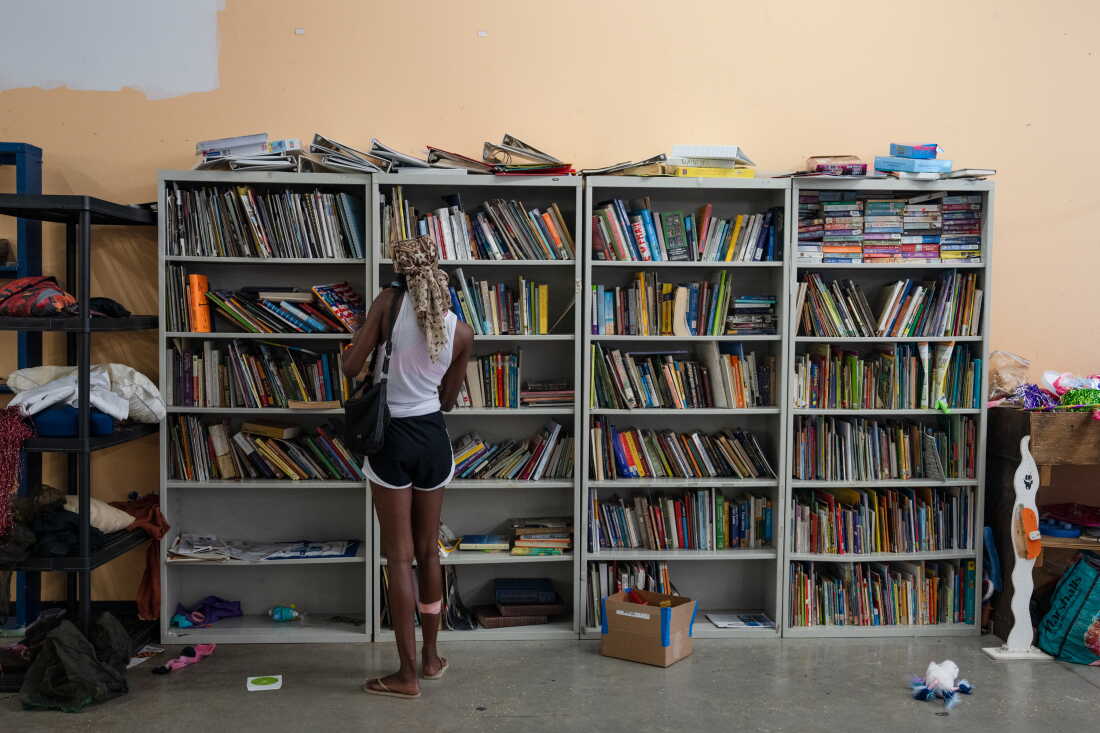
The neighborhood’s latest community resource occupies an abandoned 9,000-square-foot Family Dollar store, where the Greater New Orleans Caring Collective (GNO Caring Collective) has established the New Orleans Free Store. The building sits on a corner where corporate retail recently retreated.

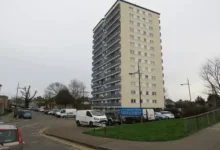
When Hurricane Ida, a Category 4 storm, struck Louisiana on August 29, 2021—exactly 16 years after Katrina—it knocked out power to the entire city of New Orleans. The vacant Family Dollar parking lot became an informal community relief site. Dan Bingler later negotiated with the property owner to use the building rent-free, maintaining the site and paying utility costs until the owner is ready for future redevelopment. He believes the temporary-use model could be replicated in vacant commercial real estate across the country.
Inside, shelves that once carried cheap commercial merchandise now hold donated clothing, household goods, books, and basic medical supplies. Residents can take the items free of charge, and the operation provides both a material safety net and a social anchor in a neighborhood classified as one of the state’s most severe food deserts.
The United States Department of Agriculture (USDA) defines urban food deserts as low-income areas where a significant portion of the population lives more than one mile from a supermarket. Lower Ninth Ward residents must travel across the parish line into St. Bernard Parish or cross the bridge into other New Orleans neighborhoods to buy fresh produce or reach a pharmacy. When discount retailers such as Family Dollar close—a development tied to a nationwide trend of corporate retail consolidation in marginalized neighborhoods—communities can be left without retail options at all. Bingler calls the Lower Ninth Ward “the number one food desert in Louisiana.”
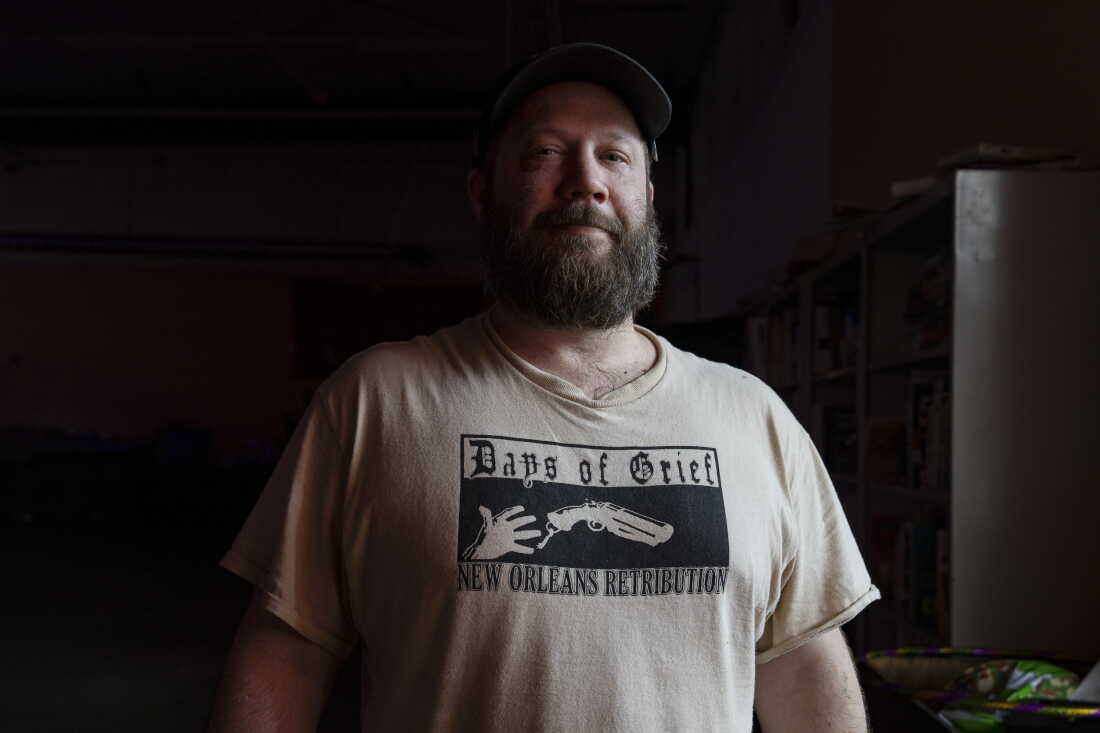
Bingler, the 42-year-old founder of the GNO Caring Collective, began organizing localized mutual aid at the onset of the COVID-19 pandemic in early 2020. The effort included delivering groceries to high-risk seniors, distributing meals to families, and helping residents access laundry services.
He says the store is meant to provide more than survival essentials. “People who are struggling don’t just want the bare necessities,” says Bingler, a history graduate who previously worked as a server and bartender in fine dining restaurants. “They want nice things, too, because they deserve nice things, too. People want comfort. People want care. People want fun objects in their house just for the sake of those existing.”
The need is rooted in the neighborhood’s post-Katrina history. On August 29, 2005, a breach in the Industrial Canal levee system sent a catastrophic wall of water through the Lower Ninth Ward and destroyed thousands of homes. Its population had exceeded 14,000 before the disaster but fell to less than 40 percent of its pre-storm level, where it currently remains.
Erin Sims, a lifelong resident who lost her home in the 2005 flood, spent a year and a half rebuilding. She now volunteers at the free store and sets up a hot dog stand to feed neighbors. “We still have a lot of abandoned places,” Sims says. “You can’t get groceries… Even to get medicines you have to go to the Walgreens or Walmart. There’s nothing down in the Lower Ninth Ward for that.”
The store opens twice a week for local families. In mid-August, temperatures inside the expansive warehouse can approach 100 degrees, and the building has no air conditioning. High-velocity industrial fans turn as patrons browse the racks, finding relief in the community and the donated goods.
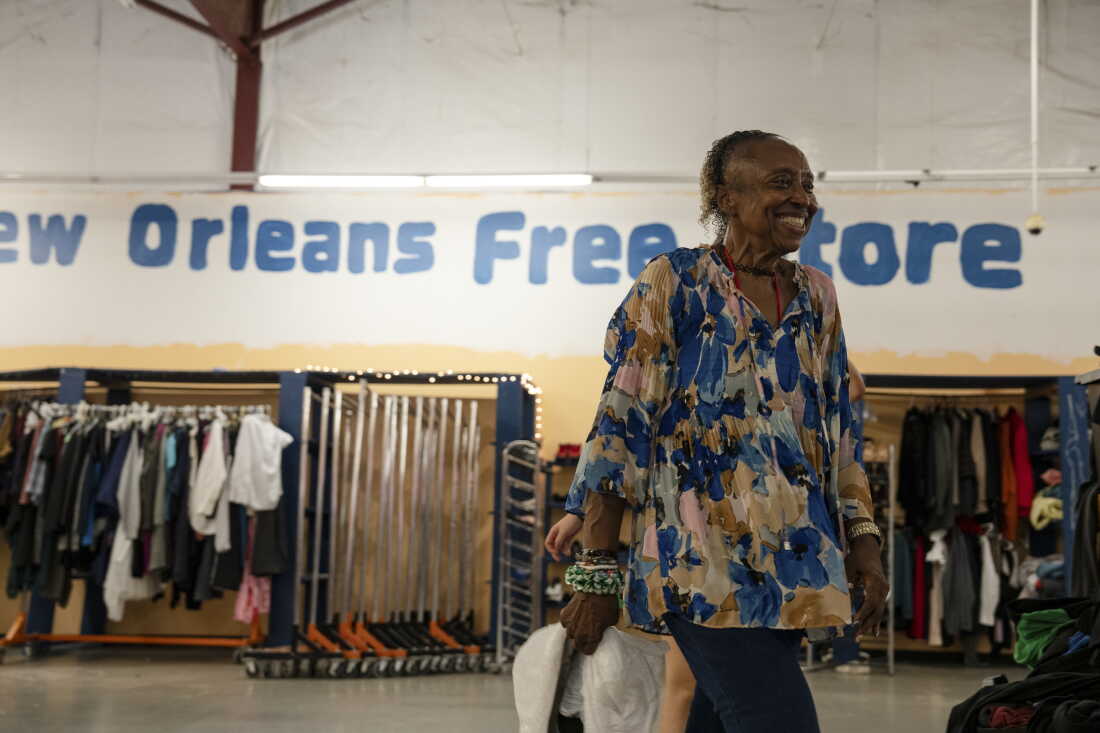
Ernestine Lane shops with a friend from her church, sorting through winter wear ahead of the cold months. “The problem is, we’re not used to cold weather,” Lane says. “So when it gets cold, you’re naked.” The graffiti-covered exterior can discourage visitors, she acknowledges, but adds: “They see the graffiti on the outside of the building and it’s a misconception. I say, ‘Go in, there’s blessings in there, go in.’”
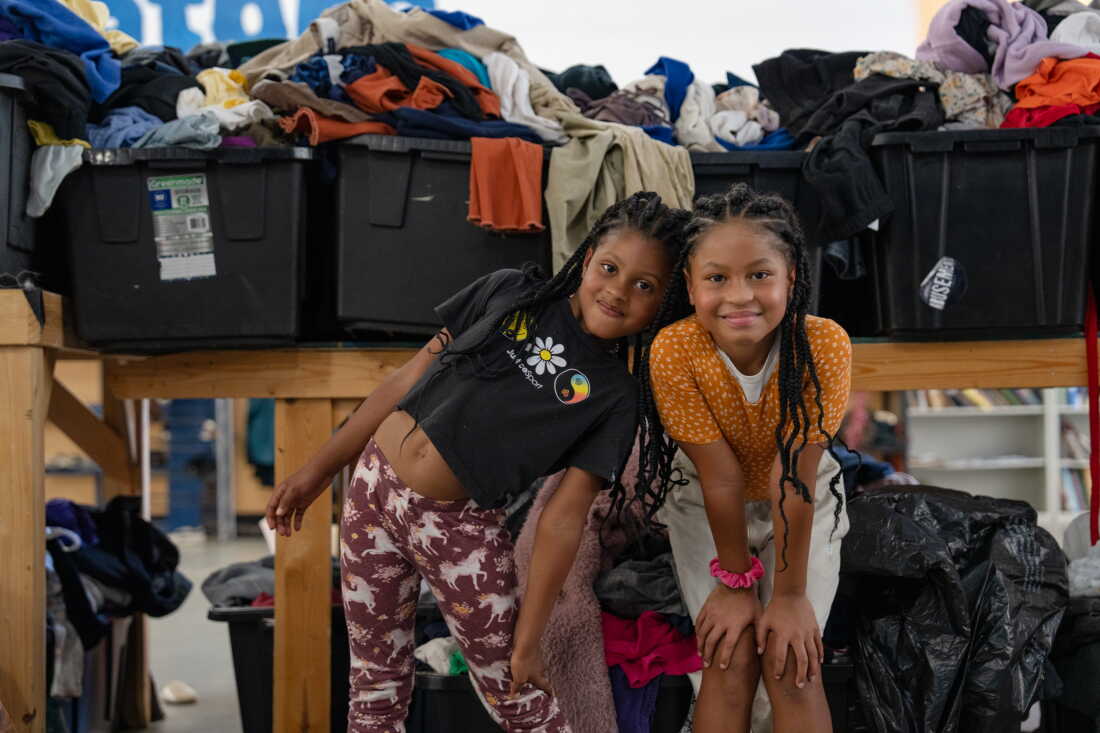
Hilsa Rodriguez, a mother of six, browses with her stepdaughters Angela, 8, and Gloria, 9, and her four-year-old daughter, Galya. Angela chooses animal-print hair clips for the school year. Gloria looks for jeans and towels, along with a furry vest for a baby her stepmom babysits. “To have all the donations that they have here, we’re very grateful,” Rodriguez says.
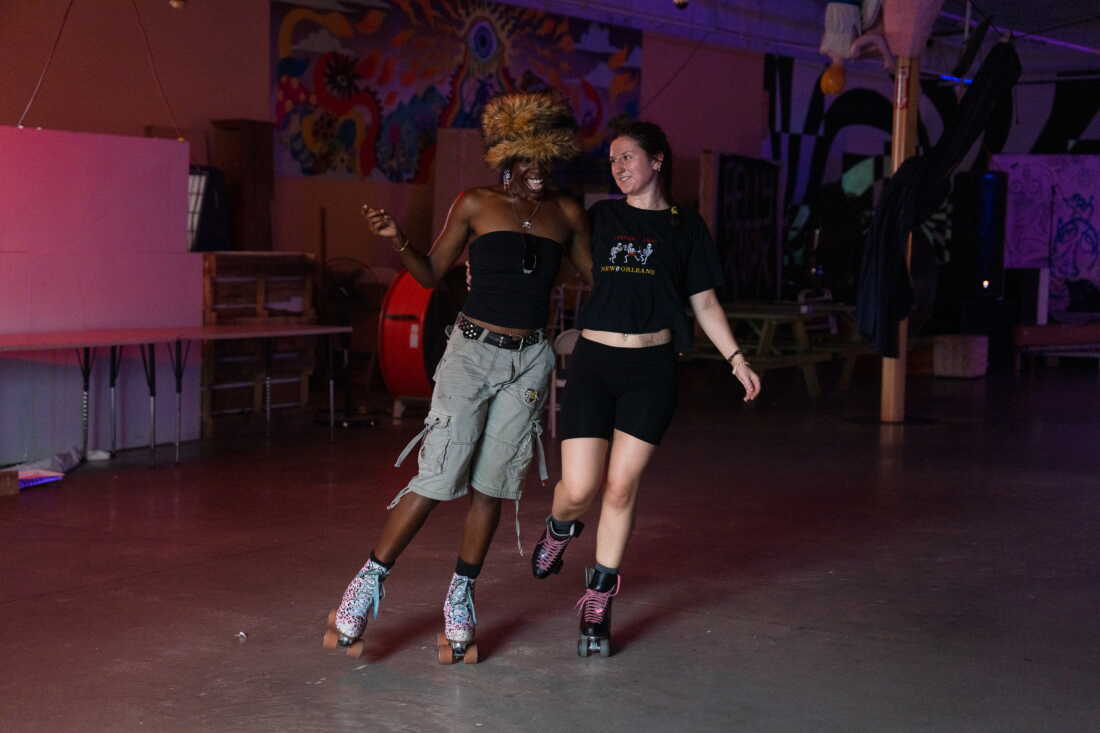
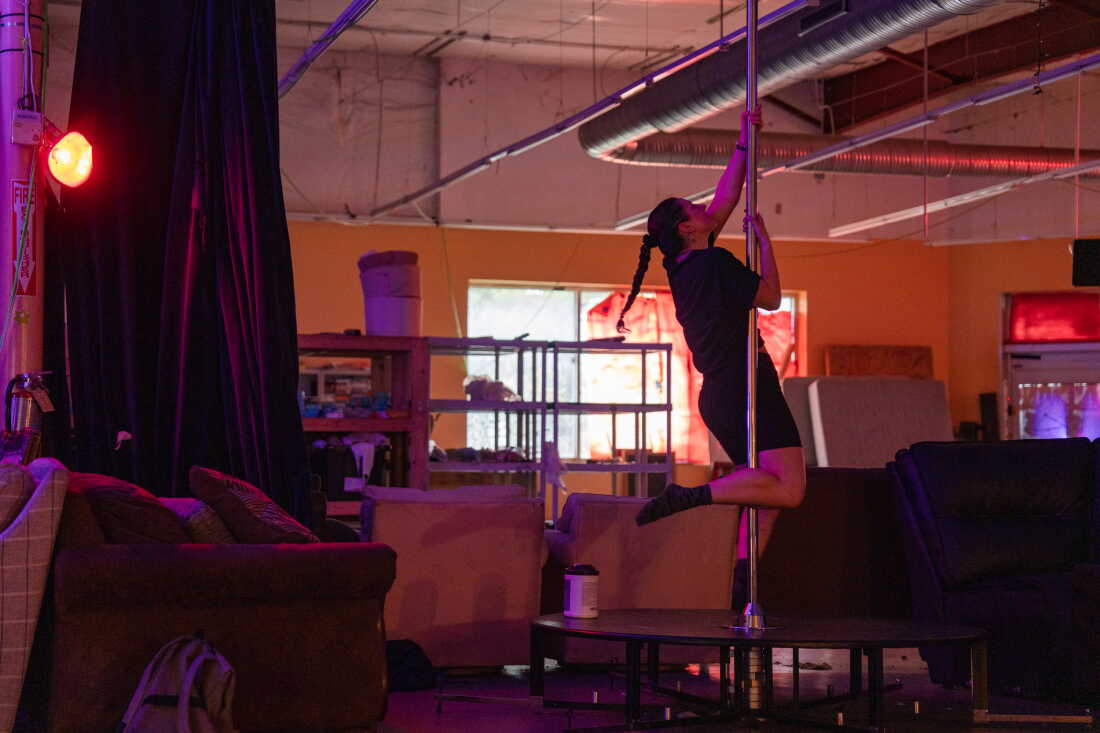
The New Orleans Free Store also hosts free STI testing, medical care pop-ups, food distribution, art classes, and live music performances. Its polished concrete floor can become a temporary roller rink, while the store’s equipment rental program helped Chrishana Simon learn to skate.
Simon calls the space “a beautiful resource for the community.” During skate nights, overhead lights dim while she and volunteer Diana Ledet practice moves on a dance pole installed near a seating area, laughing and skating laps together.
Phyllis “Queen” Matthews, a retired social worker, volunteers by sorting clothing and managing donations. She is searching for a donated truck to transport larger items, including furniture and mattresses, to the store.
For Bingler and other organizers, the physical space addresses daily poverty while also preparing the Lower Ninth Ward for the next inevitable climate crisis. The neighborhood is building social cohesion and localized distribution networks before another disaster arrives.
“When something happens again, number one is we’re closer. We’re more prepared,” Bingler says. “We’ll be doing hurricane relief… and we’ll be a shelter, if need be… Even if it’s just skating with a generator, the New Orleans Free Store will be there.”