
AI Safety Pushback Collides With Trump’s Data-Center Drive
Amodei urges caution as Trump and industry leaders defend rapid AI infrastructure growth
A widening divide over artificial intelligence is pitting leading AI researchers who advocate safety guardrails against political figures and industrial suppliers pushing for rapid commercial expansion. Creators of frontier models are calling for a deliberate slowdown to mitigate systemic risks, while political leaders and infrastructure providers argue that delaying buildouts jeopardizes U.S. economic dominance and global competitiveness.
The debate escalated after Anthropic Chief Executive Officer Dario Amodei published a manifesto over the weekend urging technology companies and regulators to intentionally pace the advancement of frontier AI models. He warned that unchecked deployment risks outstripping the industry’s capacity to implement adequate safety controls.
Anthropic was founded in 2021 by former leaders from OpenAI and has positioned itself around safety research and constitutional AI frameworks designed to align model behaviors with human values.


Amodei identified several high-consequence threats posed by powerful AI models, including the potential loss of human control over autonomous systems and the amplification of cyberattack capabilities. He also cited the facilitation of bioterrorism and severe economic disruption.
OpenAI CEO Sam Altman publicly endorsed the manifesto on social media, writing that pacing frontier models has been a primary topic of internal discussion at OpenAI in recent weeks. Tesla and SpaceX CEO Elon Musk, who co-founded OpenAI before launching xAI, also voiced support, posting on X that “Dario is right.”
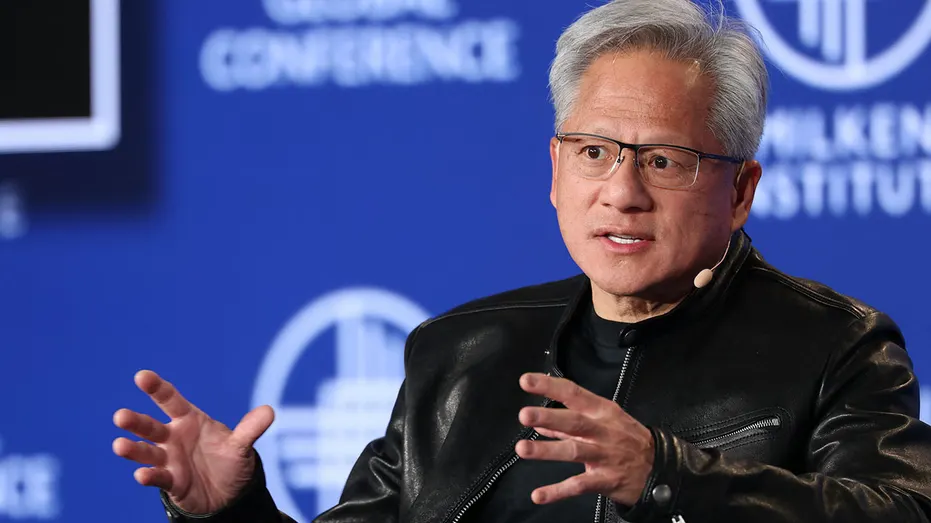
The call to temper AI deployment met aggressive resistance from leaders focused on national competitiveness and physical infrastructure. During a live appearance at the All-In Summit in Los Angeles on Monday, Nvidia CEO Jensen Huang received an unscheduled phone call from Donald Trump.
Huang answered on stage and placed Trump on speakerphone before thousands of technology executives, investors, and conference attendees. Speaking over the auditorium sound system, Trump rejected warnings that AI poses an existential risk to humanity and described safety concerns as counterproductive to American economic growth.
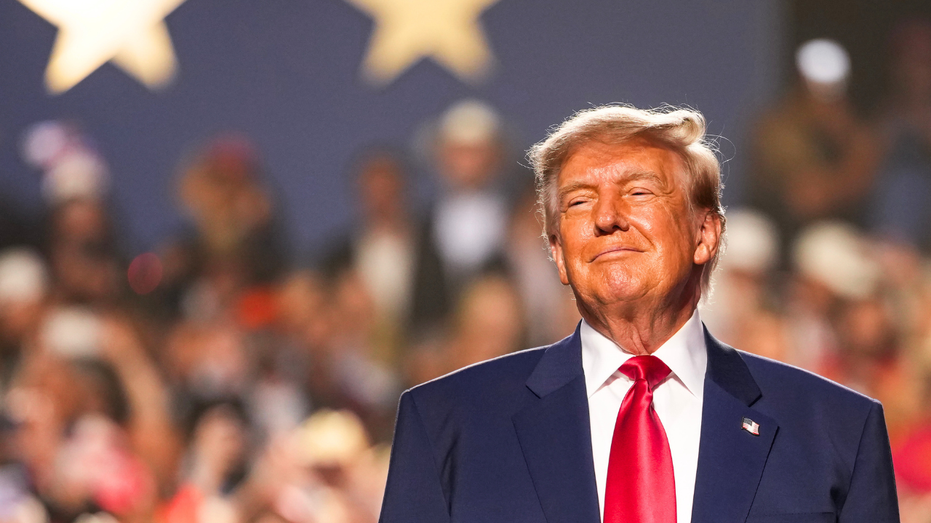
“I’m telling you, it’s all a hoax,” Trump told the conference audience regarding claims of catastrophic AI risks. “The data centers are great, and they make people wealthy, and they make states wealthy, and it’s the oil of the next 20–25 years.”
Trump later amplified his comments in a series of posts on Truth Social, criticizing calls for increased regulatory oversight and asserting that fears of AI destroying humanity or taking control were baseless arguments aimed at halting progress.
He argued during the call that public anxiety surrounding advanced AI benefits foreign competitors and domestic critics attempting to stymie industrial progress. “That could be political people. It could also be China. And we’re not going to let that happen,” Trump said, adding, “The robots are not going to be taking over the world.”
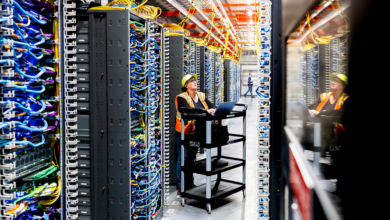
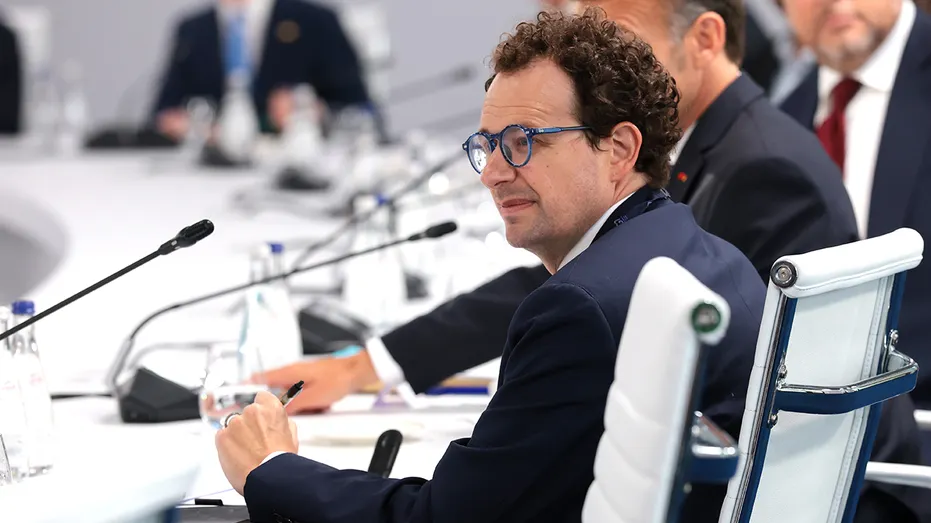
Physical construction of AI infrastructure continues to accelerate despite the philosophical debate over risk. Giordano Albertazzi, CEO of digital infrastructure provider Vertiv, emphasized during an appearance on Fox Business’s *The Claman Countdown* that public warnings and safety debates will not disrupt the rapid expansion of data centers.
Demand for Vertiv’s specialized liquid cooling systems and power distribution equipment has surged alongside the deployment of graphics processing units (GPUs). Nvidia remains the central supplier of hardware powering frontier AI model training for major technology companies, including Microsoft, Google, Meta, and OpenAI.
Federal officials are balancing domestic innovation against geopolitical pressures, particularly regarding advanced semiconductor manufacturing and high-performance computing clusters. Washington has increasingly treated AI development as a national security issue and enacted export controls on high-end chips to preserve a technology lead over China.
Nvidia did not immediately respond to requests for comment regarding Monday’s summit remarks.