
Apple Releases iOS 27 as Siri AI Hits EU and China Roadblocks
Siri AI launches with strict hardware requirements and regional restrictions
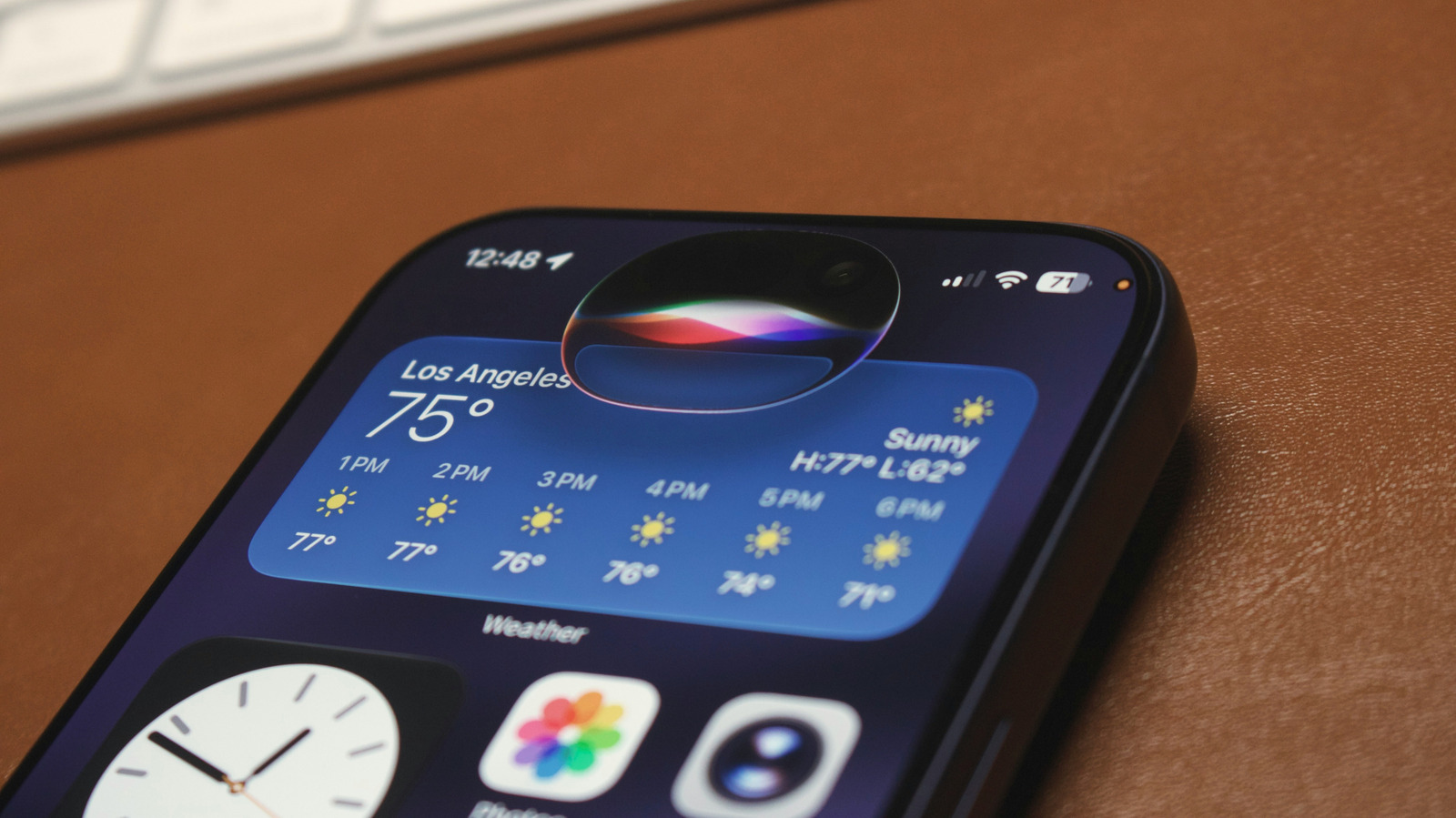
CUPERTINO, Calif. — Apple Inc. has released the public versions of its next-generation software suite, including iOS 27, macOS 27, known as macOS Golden Gate, iPadOS 27, watchOS 27, and visionOS 27. The rollout arrives alongside a major autumn hardware cycle featuring the iPhone 18 Pro, iPhone 18 Pro Max, Apple Watch Series 12, Apple Watch Ultra 4, and fifth-generation AirPods.
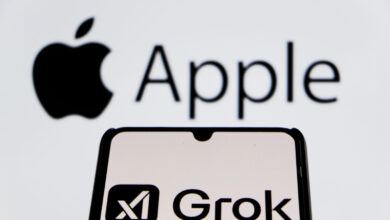
The flagship addition, dubbed “Siri AI,” is not available in the European Union or China at launch. Apple has blocked the AI tools in both markets, cutting off access to two of the world’s largest consumer technology markets.
In the European Union, strict digital competition and data privacy frameworks govern major technology platforms. Apple is withholding Siri AI there while it seeks a regulatory compromise and says it is “working hard to find a path forward” that maintains user privacy and security standards. In China, generative AI models face rigorous state vetting and localized data hosting requirements, so Apple has put the launch on hold while navigating local regulatory demands.


The new assistant marks the most significant structural change to Apple’s virtual assistant since its initial integration into the iPhone 4S in 2011. The original assistant relied primarily on cloud-based web searches and linear commands. Siri AI can parse on-screen content, extract personal context across various native applications, and execute multi-step tasks. Apple is also introducing a standalone Siri application, while warning that certain usage limits may apply to the AI service.
At launch, Siri AI works exclusively on devices set to English. Localized language support is planned for next month in French, Japanese, Korean, Portuguese, and Spanish.
Although iOS 27 supports older devices dating back to the iPhone 11 series and the second- and third-generation iPhone SE models, its AI functions require newer hardware equipped with Apple’s advanced silicon. Smartphone compatibility includes the iPhone 15 Pro, iPhone 15 Pro Max, the iPhone 16 series, and the upcoming iPhone 18 Pro and iPhone Duo models.
Across Apple’s broader ecosystem, the hardware baseline includes iPad mini models powered by the A17 Pro chip, MacBook Neo models running the A18 Pro chip, iPad and Mac models equipped with M1 processors or later, Apple Vision Pro, Apple Watch Series 9 or later, Apple Watch Ultra 2 or later, and the Apple Watch SE 3. Apple’s reliance on M1 and newer custom silicon follows its transition away from Intel architecture, which began in late 2020 to bring high-performance neural processing units, or NPUs, directly onto its device chips.
The software updates also bring a visual overhaul of the “Liquid Glass” design language, intended to improve customization options and readability across all platforms. Under-the-hood performance optimizations are projected to increase application launch speeds by up to 30 percent.
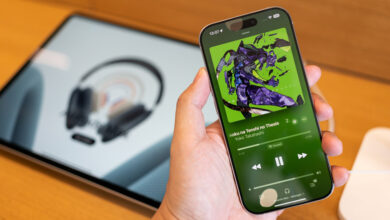
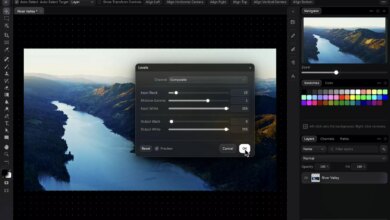
Other non-AI additions include custom equalizer, or EQ, support for compatible AirPods; new AI-assisted photo editing and cleanup tools; an integrated bill-splitting utility for users in the United States; expanded parental controls and safety features; and support for using a single phone number across two separate iPhones.
Next month, Apple is set to expand its hardware portfolio with the iPhone Duo, its first foldable smartphone. The wider hardware rollout will continue into the winter, with redesigned Mac mini and Mac Studio desktop systems designed to support Siri AI scheduled to arrive. Refreshed MacBook and iPad models are expected in subsequent months, alongside an upcoming lineup of smart home products integrated with the new Siri AI architecture.
Eligible users can look for the updates by navigating to Settings > General > Software Update on their devices. Apple notes that high initial server traffic may cause download delays and that devices will require free storage space before installation can proceed.