Ozempic Blindness Warning Covers Every GLP-1 Drug While the Evidence Points at Diabetes
The FDA ordered a NAION warning on all GLP-1 labels on Monday. Its own studies disagree about how big the risk is, and whom it applies to.
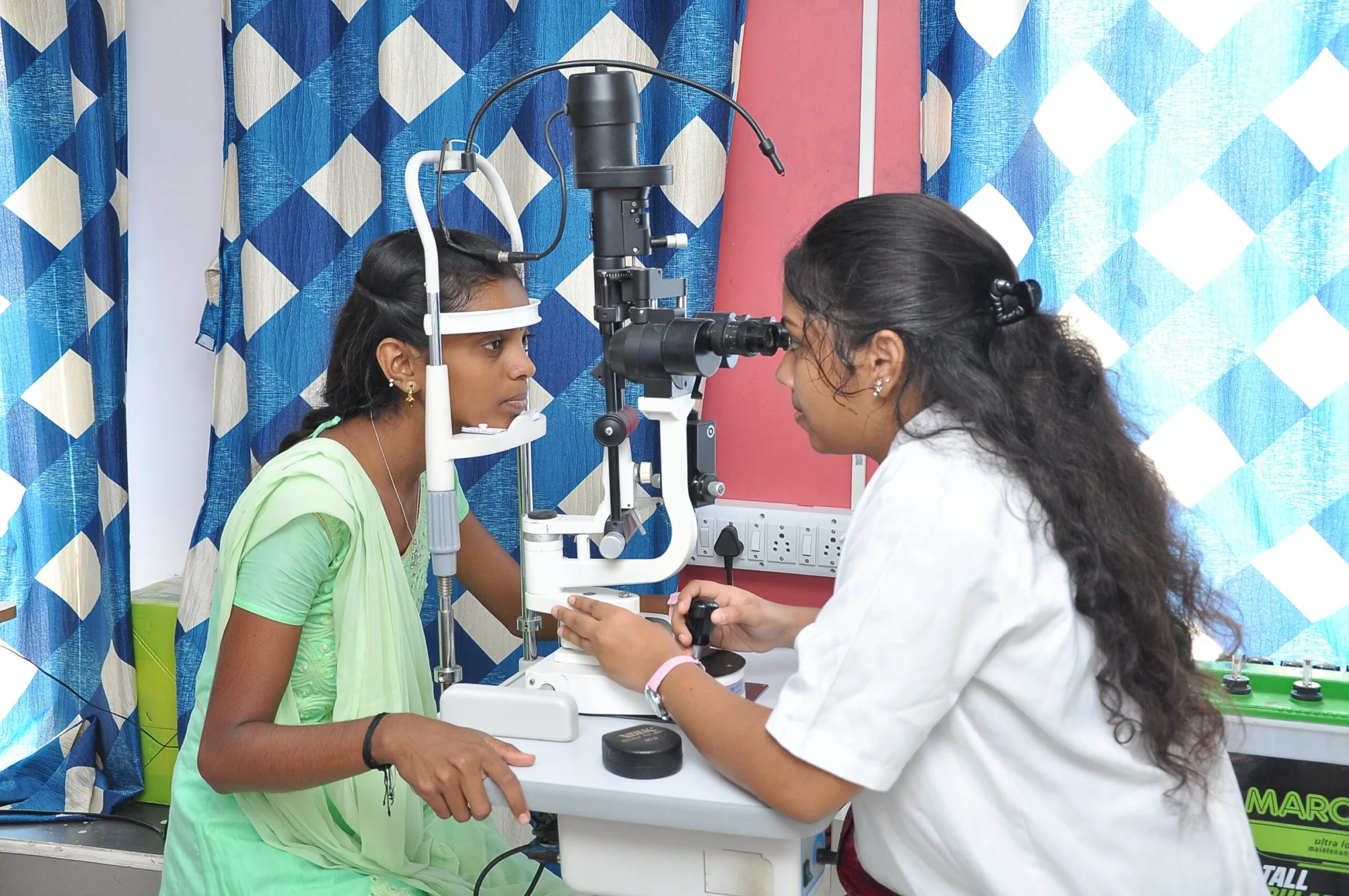
The Food and Drug Administration chose two careful words for its Ozempic blindness warning on Monday: “potential increased risk.” The order covers every GLP-1 drug sold in the United States. Ozempic is one of twelve products on the FDA’s list, which runs from generic exenatide to the new oral drug orforglipron, sold as Foundayo. Each maker must add information about non-arteritic anterior ischemic optic neuropathy, or NAION, to the Warnings and Precautions section of its label. No date was set. It is not a boxed warning, a recall, or an instruction to stop taking the drugs.
NAION is a sudden drop in blood flow to the front of the optic nerve. It usually takes vision in one eye. It does not hurt. The damage is often permanent. People notice it when they wake up, or as a blind spot, tunnel vision, or colors going wrong. The FDA lists the symptoms and tells patients to report them at once and get referred to an eye specialist. If NAION develops, the agency says prescribers should consider stopping the drug unless its benefits clearly outweigh the risk.
The FDA pooled 126 randomized trials, 134,253 patients, 288,879 person-years of exposure, and found 15 probable NAION events: 10 in people taking a GLP-1 drug, five in people taking a placebo, none in people taking another diabetes drug. The rates were 6.4 cases per 100,000 person-years on a GLP-1 drug and 3.8 on a comparator. No mechanism was found. The communication prints no p-value and no confidence interval for that comparison, and it offers no breakdown of the 15 events by why people were taking the drugs.


In Denmark and Norway, researchers following 61,377 adults with type 2 diabetes found NAION at 2.19 cases per 10,000 person-years in people starting semaglutide, against 1.18 in people starting an SGLT2 inhibitor, an adjusted excess of 1.41 cases per 10,000 person-years. That excess is more than five times the trial excess of 0.26 per 10,000. At the scale of current American use, about 29 million people on a GLP-1 for weight loss by Gallup’s count, the trial figure implies roughly 750 extra cases a year. The registry figure implies roughly 4,100. Both rates come from diabetes populations, so either number overstates the risk for younger, healthier weight-loss users, and the two estimates still disagree five-fold.
The FDA’s Sentinel analysis of adults with type 2 diabetes who started a drug between 2019 and 2024 found NAION at 30 to 32 cases per 100,000 person-years on a GLP-1 drug, 31 on an SGLT2 inhibitor, and 26 on a DPP-4 inhibitor. Against the SGLT2 drugs the hazard ratio was 1.19, with a confidence interval of 0.91 to 1.54, which did not reach statistical significance, while the DPP-4 comparison, at 1.43, did.
A 2026 meta-analysis in Ophthalmology pooled eight randomized trials and eight observational studies with more than 1.6 million patients, and divided the results by indication. In diabetes, the observational studies showed a raised risk. The hazard ratio was 1.85. For weight loss, the observational hazard ratio was 1.57 and not significant, and the randomized trials showed no significant increase for either use. A second 2026 meta-analysis of six observational studies covering about 4.8 million people found a raised risk in type 2 diabetes, an adjusted hazard ratio of 1.70, and none in obesity, at 0.47, rating the evidence low to very low certainty. The warning covers everyone taking a GLP-1. A 2026 study of more than 102,000 American veterans with type 2 diabetes found 0.29 percent developed NAION after starting semaglutide, against 0.13 percent on an SGLT2 inhibitor over two years.
The FDA did not say the drugs cause NAION. It said it reviewed clinical trials, animal data, adverse-event reports, and observational studies, and concluded there is a potential increased risk of rare NAION events. Cases have been reported with every GLP-1 product on the market, and the agency acted on the totality of the evidence rather than on any single study proving the link.
Europe acted on the same evidence 17 months ago. On June 6, 2025, the European Medicines Agency’s safety committee concluded NAION is a very rare side effect of semaglutide, meaning it may affect up to 1 in 10,000 people, and estimated about one extra case per 10,000 person-years in type 2 diabetes. It recommended the product information be updated for Ozempic, Rybelsus, and Wegovy, and said treatment should stop if NAION is confirmed. Britain’s regulator followed with its own safety update on February 5, 2026, about nine months before the FDA acted.
Todd Engel, a 63-year-old Maryland man, was first prescribed Ozempic in 2023 for type 2 diabetes and diagnosed with NAION about four months later. On New Year’s Eve 2024 he got out of the shower and told his wife Shelley, “I can’t see in my right eye. It’s totally black.” About 10 months later the vision in his left eye went too. Engel had driven heavy equipment and trucks for 40 years. He can no longer read, counts his steps around his own house, and uses a white cane. “I wake up in the dark, I go to sleep in the darkness,” he said. “I didn’t go blind — I had my vision taken from me,” he said. His lawyer, Jonathan Orent, is co-lead counsel in the nationwide GLP-1 litigation and has been asking for an American label warning like the one patients and doctors already get in Europe. “It’s about information,” Orent said.
Edward Gillen, a 59-year-old Massachusetts softball coach, went blind by June 1, 2025, after about a year on Ozempic, and started a foundation for people who lose vision the same way. A former nurse practitioner named Diane Worth told NBC on Monday that she lost the vision in her right eye on a GLP-1 drug and can no longer read.
On Reddit, a user who wears hard contacts at night wrote in June that after a few months on Ozempic their vision had become “a lot blurrier and inconsistent.” A week off the drug on vacation left their vision “SUPER clear,” the user wrote, and it blurred again when they resumed. “Im worried about long term effects to my eyesight on this medication,” the user wrote, and said their eye doctor “didnt seem to know much about the effects of Ozempic.” Another user, five months on Ozempic at a 1.0 dose, wrote in November 2024 that sudden blurry vision had made reading road signs, store names, and television “an effort.” “I have no idea what could have triggered this,” the user wrote. What they describe matches the common, usually temporary blurring that follows a fast change in blood sugar, when the lens of the eye changes shape, not the sudden, one-eye loss the label warns about. A Mounjaro user who wrote in September that their vision had worsened after five months on the drug ended the post with a question: “Should I be worried?” Another, replying in the same thread, wrote, “I still think Mounjaro was worth it.”
Novo Nordisk, which makes Ozempic and Wegovy, says a causal relationship “cannot be confirmed based on the totality of data” and calls the American personal-injury lawsuits without merit. Eli Lilly, which makes Mounjaro and Zepbound, said the communication applies across medicines with GLP-1 activity. No Lilly-specific findings were identified.
In the SUSTAIN-6 trial of 3,297 adults with type 2 diabetes, retinopathy complications occurred in 3 percent of people on semaglutide against 1.8 percent on placebo, and in 8.2 percent against 5.2 percent among people who already had retinopathy. A rapid improvement in blood sugar can temporarily worsen retinopathy, and the label says people with a history of it should be monitored. A long-term trial built to settle the question, called FOCUS, is still running.
Sudden, painless vision loss, a field defect, or any other visual change in one eye should be reported immediately, the FDA says, with a same-day referral to an ophthalmologist. It did not tell patients to stop. Anyone with a history of NAION should discuss with a prescriber whether to continue, because a previous event raises the risk of another.
A federal multidistrict litigation created on December 15, 2025, in the Eastern District of Pennsylvania, held 247 pending NAION cases as of October 1, 2026. No court has found the drugs cause NAION, and no trial date has been set.