UAE Intercepted 2,800 Iranian Missiles and Drones While Keeping Dubai Open
Emirates absorbed 551 ballistic missiles and 2,265 drones while posting record energy deals — betting preparation buys diplomatic space
DUBAI — The fountain show at the Burj Khalifa still draws crowds each evening. Restaurant terraces along Sheikh Mohammed bin Rashid Boulevard stay full past midnight. In Abu Dhabi, the ADIPEC energy conference closed this month with 240,000 attendees from 170 countries and $67 billion in deals — a 26 percent increase over last year.

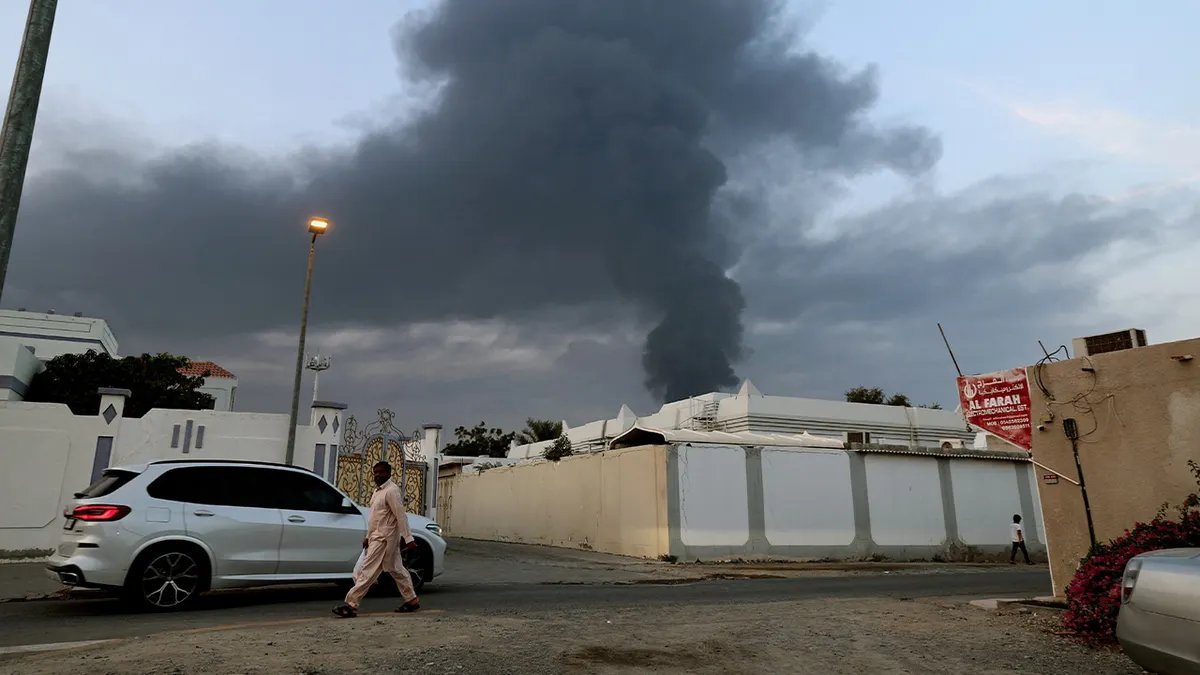
Beneath the surface, the numbers tell a different story. Between February 28 and May 10, UAE air defenses intercepted 551 ballistic missiles, 2,265 drones, and 29 cruise missiles launched from Iran. The Port of Fujairah, the critical oil hub outside the Strait of Hormuz, took at least 19 direct hits in the conflict’s first three months. Drone debris sparked a fire in the Fujairah industrial zone on March 3.
“Our resilience now becomes our deterrence,” said Mohammed Baharoon, director general of B’huth, an Emirati research center. The phrase captures a strategy that treats economic continuity, food security, and functioning infrastructure as components of national defense — not just military interceptors.

The calculation is deliberate. When the United States and Israel struck Iranian targets on February 28, Iran responded by blocking the Strait of Hormuz, boarding merchant vessels, and laying sea mines. Oil surged past $100 a barrel, the largest disruption to global energy supply since the 1970s. The UAE absorbed the barrage while keeping its financial centers, ports, and airports operating.
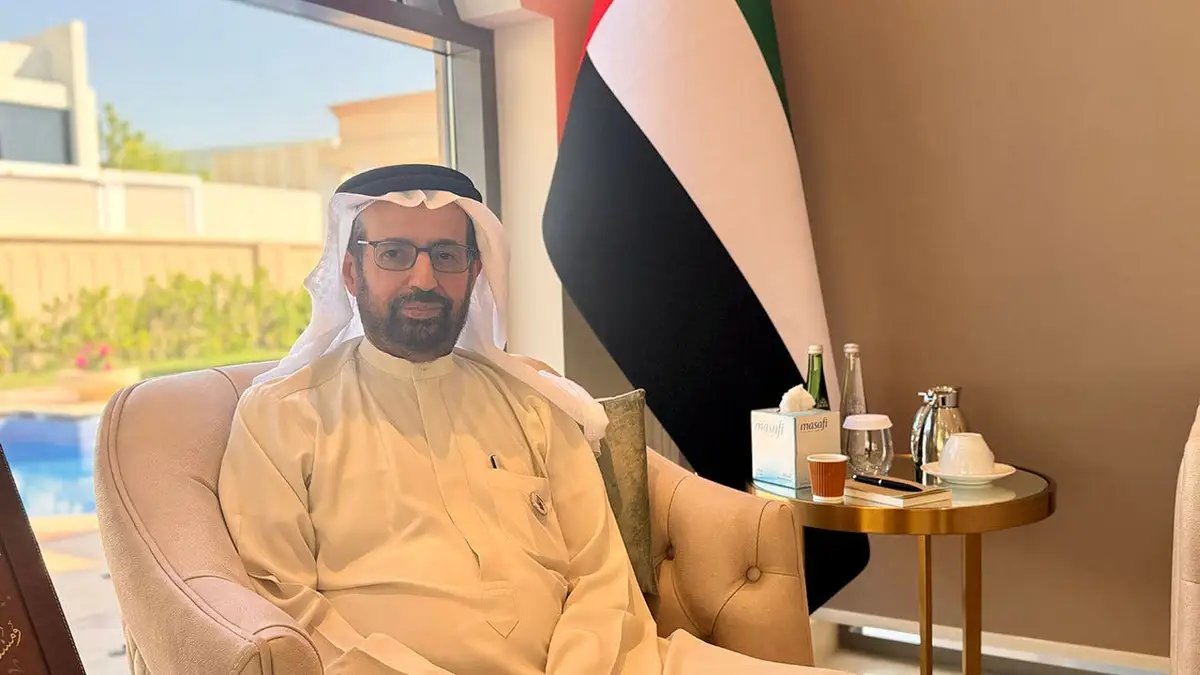
Dr. Ali Rashid Al Nuaimi, chairman of the Defense, Interior and Foreign Affairs Committee of the Federal National Council, describes the current U.S.-Iran talks mediated by Qatar with guarded hope. “We see some progress,” he told Fox News Digital. “We hope that both sides will be able to reach a point where they will start building trust and engaging in a way to avoid the war, to find a political solution.” He added he felt “a little bit optimistic” but did not “exclude the other option” of renewed confrontation.
The diplomatic outline is taking shape. On November 5, Iran submitted a new nuclear proposal through Qatari channels, though Tehran attached seven preconditions including sanctions relief and an end to the U.S. naval blockade. By November 6, Iranian officials were reviewing Qatari proposals to curb the nuclear program — a shift from their previous position. The framework under discussion: Iran reopens the Strait of Hormuz in exchange for sanctions relief, followed by broader nuclear negotiations. President Donald Trump and Qatar’s Emir Tamim Al-Thani discussed de-escalation by phone. The State Department has offered up to $20 million for intelligence on Iran’s nuclear activities.
No Iranian missiles have targeted the UAE since May. But the Emirates are not waiting to see if the pause holds. Dr. Sultan Al Jaber, minister of industry and advanced technology and ADNOC chief executive, told the ADIPEC opening that the country’s ability to withstand crises came from years of preparation — defense frameworks, localized intelligence networks, and hardened critical infrastructure designed to keep global financial and energy companies operational.

The UAE’s economy has grown at roughly 4 percent annually for two decades, deliberately reducing dependence on raw hydrocarbon exports. Al Nuaimi frames the relationship with Washington as a “strategic partnership” built on education, medicine, technology, energy, and investment — “sustainable” across administrations. He also distinguishes between the Iranian regime and the Iranian people, affirming the UAE’s right to defend its population and sovereignty if attacked.

The bet is that integrated preparation — military, economic, diplomatic — buys the Emirates room to maneuver whether the talks succeed or collapse. For now, the fountains run, the deals close, and the radars track every launch trajectory across the Gulf.