Trump Cuts Israel Aid as Netanyahu Faces Coalition Chaos
Arab parties back Eisenkot with 67 seats but his allies reject reliance on them; Trump aid cutoff adds external pressure
President Donald Trump announced Tuesday that the United States will terminate roughly $4 billion in annual military aid to Israel by the end of 2026 or 2027, a decision he claimed was made in agreement with Prime Minister Benjamin Netanyahu. Israeli defense and finance officials said they received no prior notification. The current memorandum of understanding, worth approximately $3.8 billion per year, does not expire until 2028.
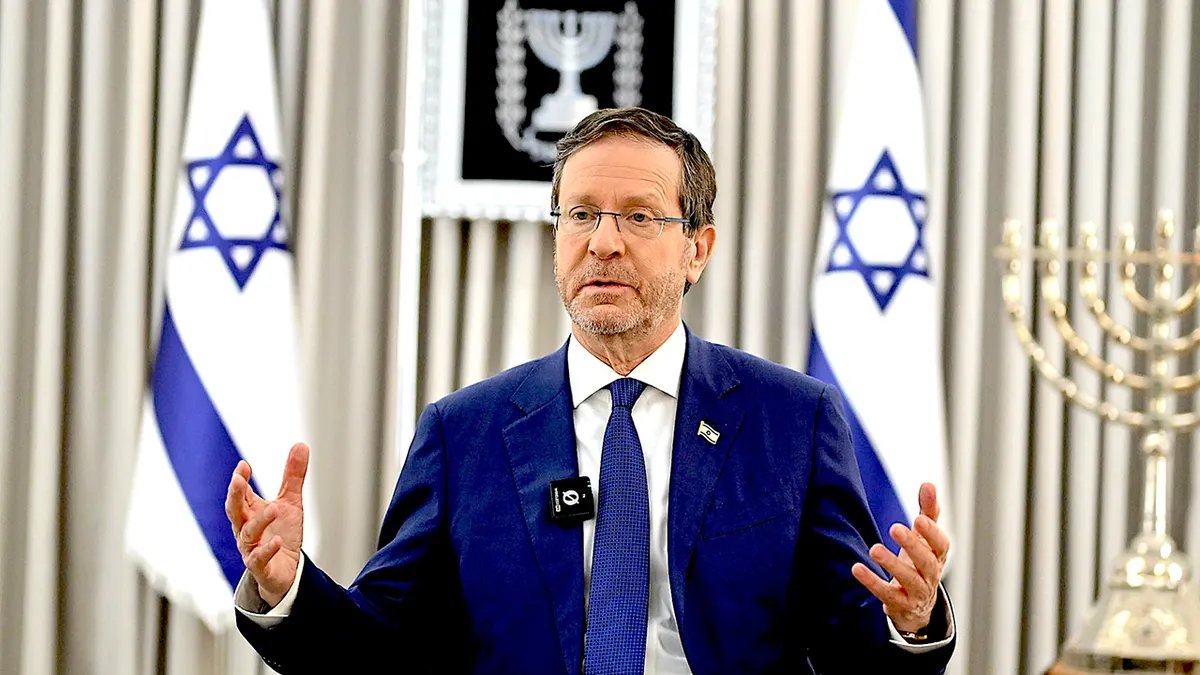
The aid cutoff lands as Israel remains without a government three weeks after the October 27 election. President Isaac Herzog began formal consultations Wednesday with party leaders elected to the 26th Knesset. Neither Netanyahu’s right-religious bloc nor the opposition alliance led by former military chief Gadi Eisenkot secured the 61 seats required for a majority in the 120-member parliament.


Official results confirmed November 4 show Netanyahu’s Likud with 27 seats, his overall bloc at 53. Eisenkot’s Yashar party holds 21 seats, his bloc at 48. The predominantly Arab parties — the Joint List and Ra’am — hold a combined 19 seats, positioning them as potential kingmakers.
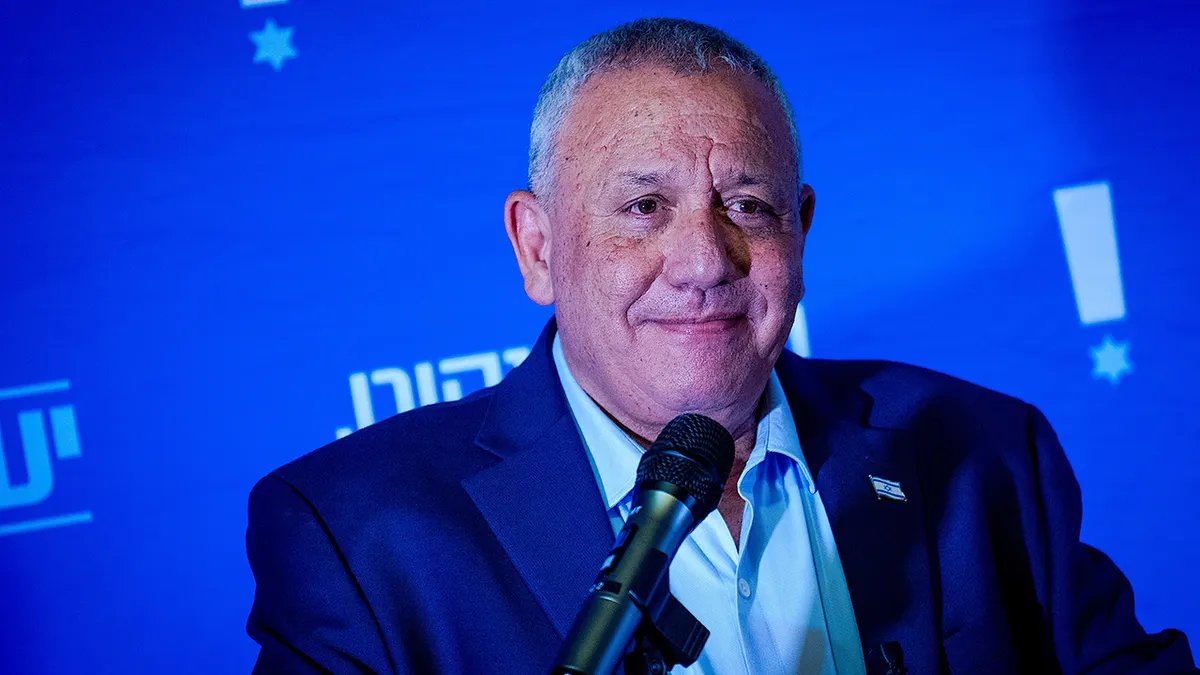
On Thursday, both Arab factions endorsed Eisenkot, giving him the backing of 67 lawmakers. The endorsement creates an immediate dilemma for Eisenkot and his key allies, Naftali Bennett and Avigdor Liberman, who have repeatedly ruled out forming a government reliant on Arab parties. Eisenkot has outlined principles for a “broad Zionist government” emphasizing a Jewish, democratic, liberal, and egalitarian state, mandatory national service, and the destruction of Hamas’s military capabilities.
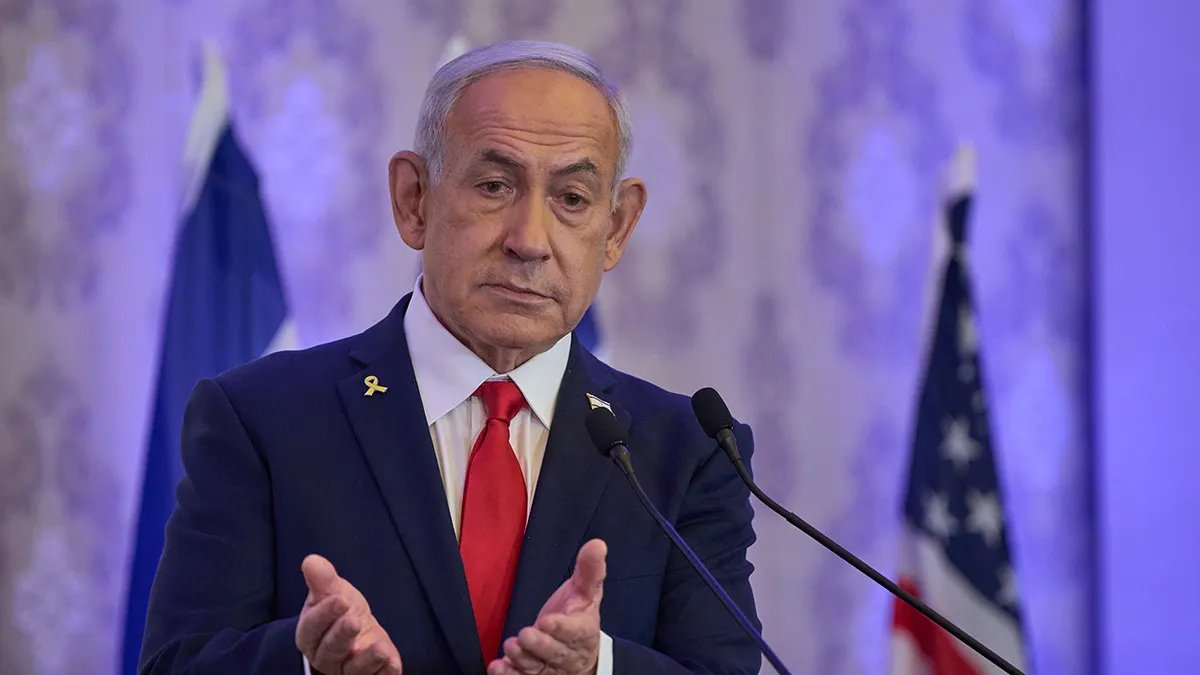
Netanyahu responded on X that the Israeli public rejects a government dependent on Ra’am and the Joint List, accusing them of supporting terrorism and denying Israel’s right to exist as a Jewish state. He signaled openness to a “broad national government” under his leadership but insisted he would not abandon his far-right and ultra-Orthodox partners. United Torah Judaism, a traditional Netanyahu ally, withheld its recommendation for any candidate.
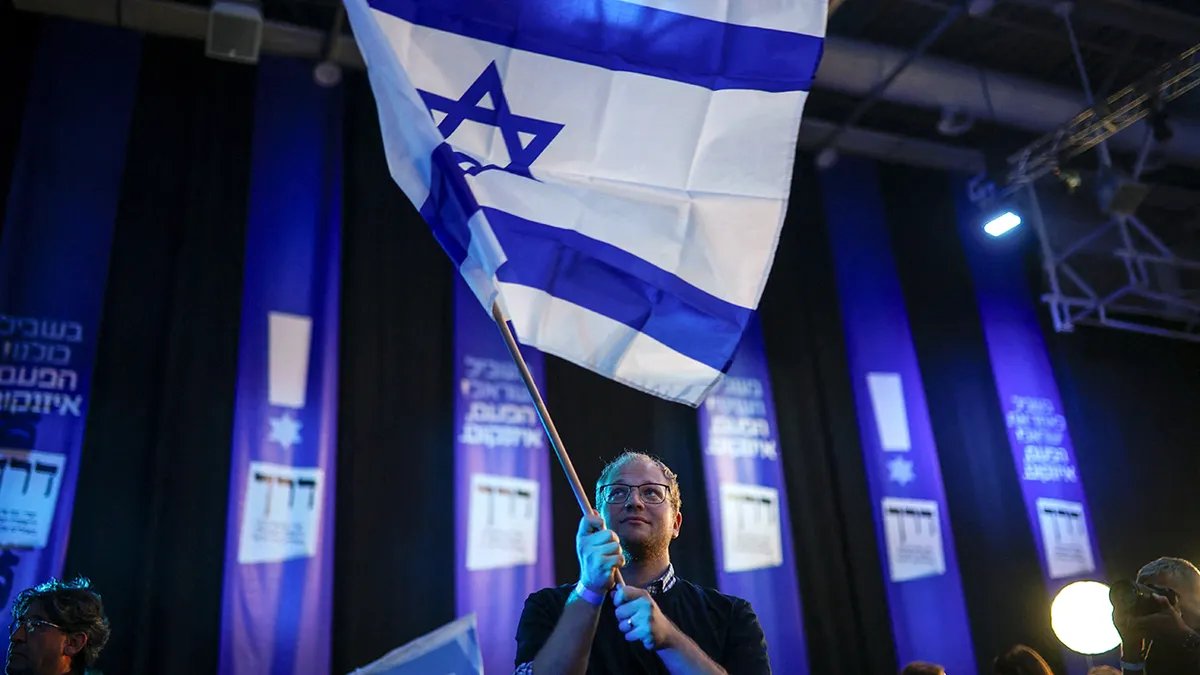
Herzog has until November 11 to designate a lawmaker to attempt coalition formation. The chosen candidate receives 28 days, with a possible 14-day extension. The president is consulting smaller factions first, an unusual sequence intended to encourage broader discussions before meeting the largest parties.
Israel has navigated similar deadlocks before. The 2020 power-sharing agreement between Netanyahu and Benny Gantz collapsed over budget disputes, triggering new elections. The 1984-1988 national unity government saw Shimon Peres and Yitzhak Shamir rotate the premiership to manage a divided parliament and economic crisis.
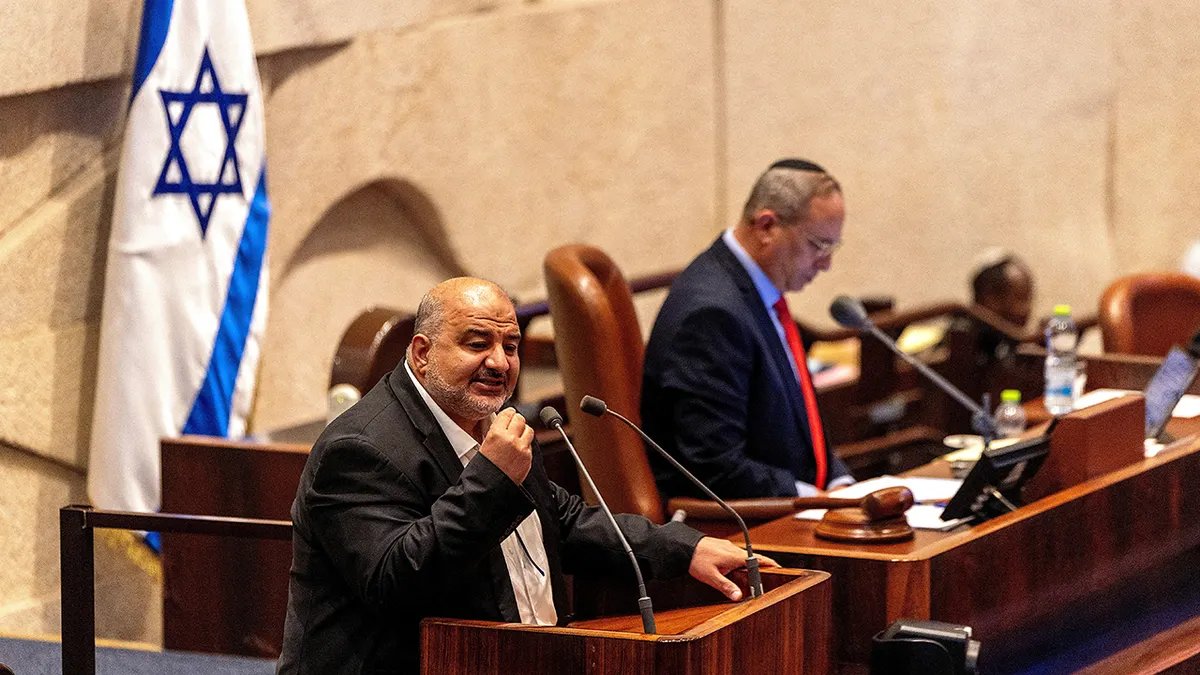
With coalition prospects uncertain and American financial support now in question, Israel faces the prospect of protracted negotiations that could end in yet another election.