Visteon Gauge Defect Forces 102,000 Ford Trucks to Dealers
Replacement parts for the Visteon-sourced hardware defect will not reach dealerships until early December.
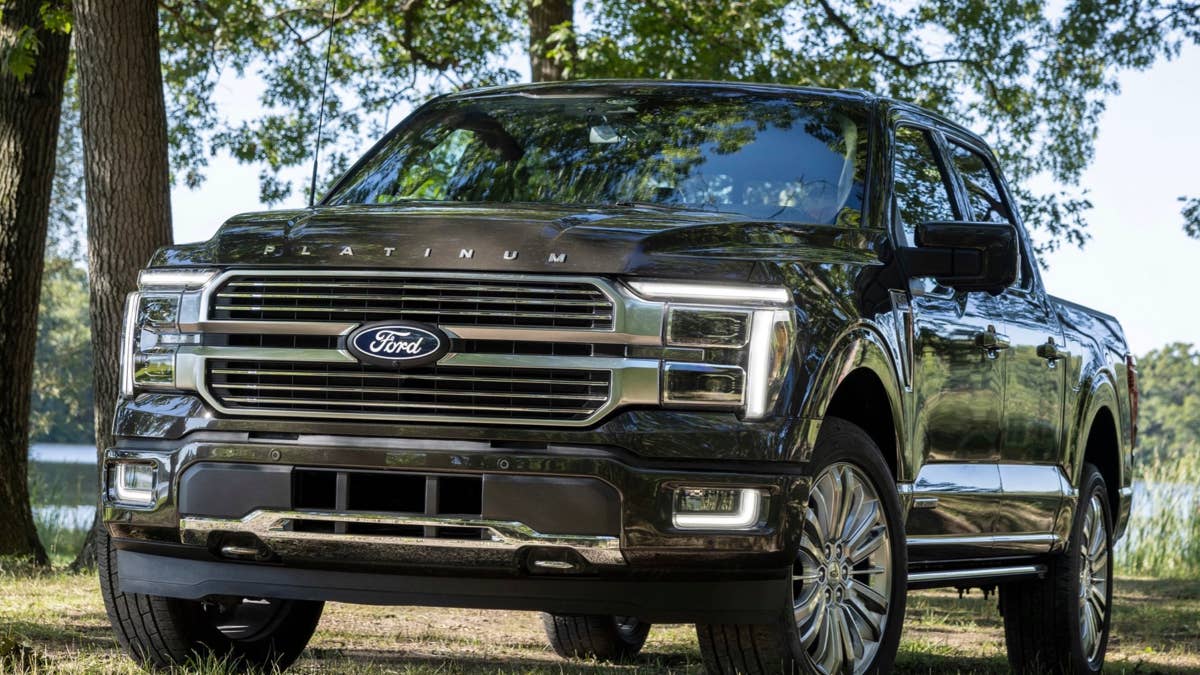
A manufacturing flaw traced to supplier Visteon Corporation is forcing more than 102,000 Ford F-Series trucks into dealer service bays for hardware replacements, a logistical headache that cannot be resolved with the over-the-air software patches automakers increasingly rely on to manage quality defects.
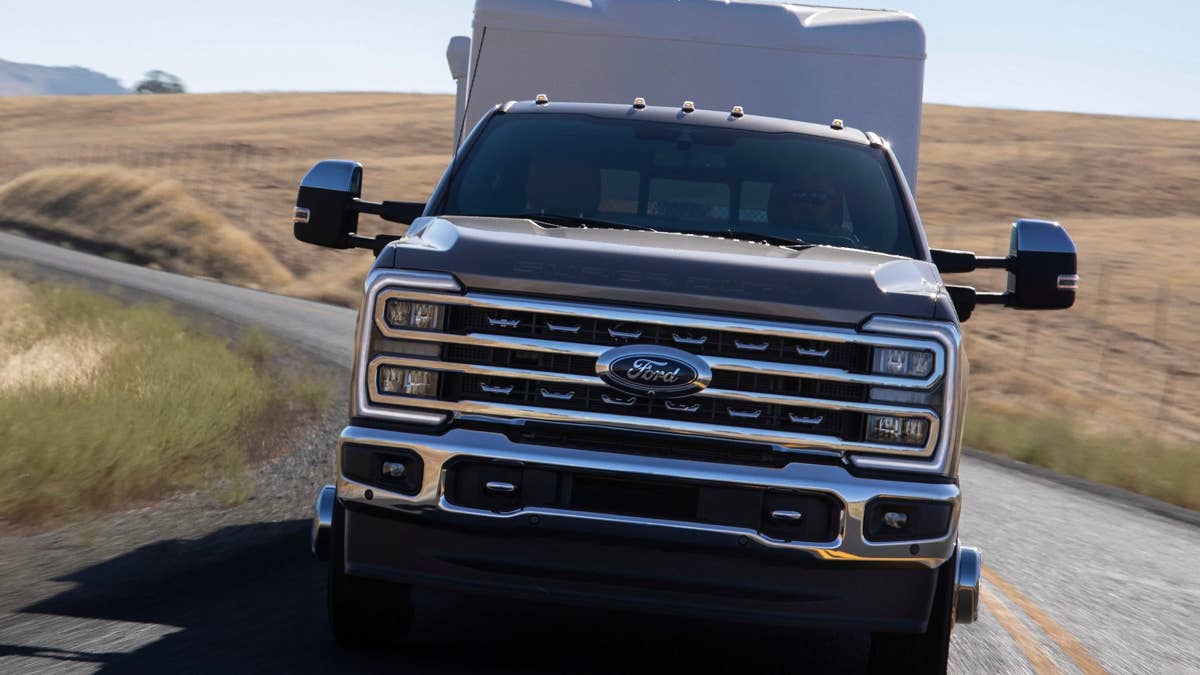
The National Highway Traffic Safety Administration published recall 26V653 detailing erratic or frozen analog gauge needles across the 2025 and 2026 model-year lineup. The fault spans from the mass-market F-150 to heavy-duty commercial chassis, affecting 102,159 vehicles in total according to NHTSA records. Because the malfunction originates inside a physical module rather than the truck’s software architecture, owners must wait for replacement parts to arrive at dealerships.
Ford’s Critical Concern Review Group flagged the issue on May 28, ultimately attributing the root cause to what regulatory filings describe as “supplier process deficiencies” at Visteon. The timeline exposes a narrow but critical production window. Heavy-duty models bore the brunt of the defect. NHTSA data shows 91,588 F-Super Duty trucks are involved, including 43,300 F-250s, 26,354 F-350s, 6,847 F-450s, and 2,827 F-600s built between December 14, 2024, and April 17, 2026. Another 10,570 F-150 pickups manufactured from August 22, 2025, through May 12, 2026, carry the faulty component. A single 2026 F-750 Super Duty assembled on November 21, 2025, was also swept into the action.

For fleet operators running Super Duty models in construction or logistics, the recall introduces unplanned downtime during a period when commercial truck utilization remains high. Unlike consumer-grade infotainment glitches, instrument cluster failures directly interfere with a driver’s ability to monitor speed, complicating compliance with Federal Motor Vehicle Safety Standard 101, which governs controls and displays. Ford determined the gauges did not technically violate the standard’s strict text but acknowledged the erratic needles failed its intent, prompting the voluntary recall to prevent potential distraction-related crashes.
Related: 2027 Ford Bronco Will Get a New Engine, but Ford Isn’t Saying What
This marks Ford’s 81st recall of the year. The Detroit automaker has led the industry in recall volume for several consecutive years, a trend driven largely by complex supply chains and aggressive production timelines. Hardware-level defects tied to Tier 1 suppliers like Visteon remain particularly expensive to rectify compared to software bugs, requiring physical labor, shipping logistics, and parts inventory management.
Affected owners will receive notification letters mailed between October 26 and October 30. Vehicle identification numbers are currently searchable on nhtsa.gov. However, the actual repair—a module swap within the instrument cluster—cannot begin immediately. Replacement parts are scheduled to reach dealerships between December 7 and 11, leaving owners roughly six weeks to monitor their gauges manually before the fix becomes available.