FDA Recall of Compounded Tirzepatide Highlights Quality Risks in Gray-Market GLP-1 Supply
North Carolina pharmacy flagged by FDA months before sterility recall of 22 tirzepatide vials
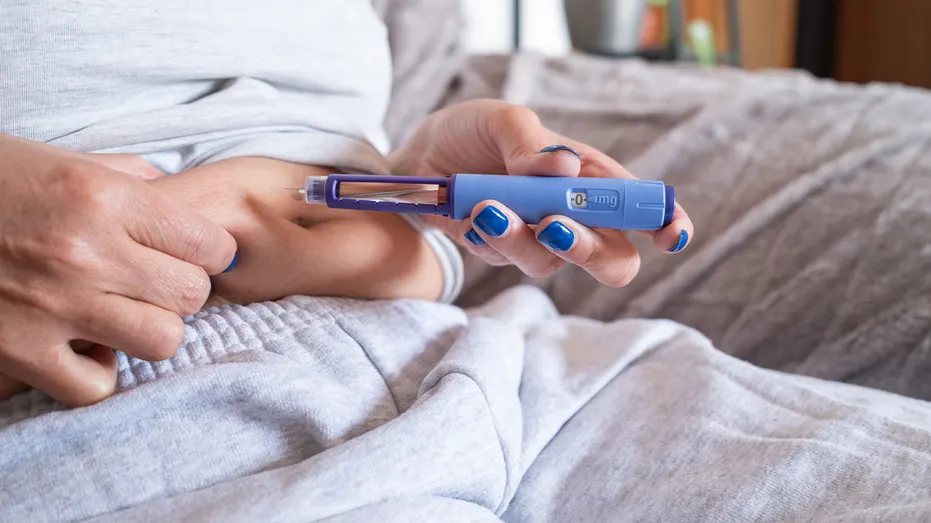
A North Carolina compounding pharmacy already censured by federal regulators for sterile-production failures is recalling nearly two dozen vials of injectable tirzepatide, the active ingredient in Eli Lilly’s blockbuster diabetes and weight-loss drugs Mounjaro and Zepbound. The voluntary action, classified by the Food and Drug Administration as a Class II recall, covers 22 vials of compounded tirzepatide and one vial of NAD+ injection distributed nationwide.
Apothecary Pharma initiated the recall on Sept. 24 after determining it could not assure sterility of the affected lots. The FDA posted the notice Oct. 8, stating serious health consequences are considered unlikely and that no illnesses or injuries have been reported. Yet the episode underscores a persistent gap in oversight: compounding pharmacies stepped in to fill demand during prolonged shortages of brand-name GLP-1 agonists, but many operate without the same manufacturing scrutiny applied to commercial drug makers.


The recall follows a December 2025 FDA warning letter that documented serious deficiencies in Apothecary Pharma’s sterile drug production practices. The agency said at the time that the problems put patients at risk, though it has not formally linked those findings to the current recall. The affected tirzepatide product is an 18 mg/mL prescription injection in 4 mL multidose vials (NDC 85091-001-18), lots AP-202622 through AP-202625 and AP-202627 through AP-202644, with beyond-use dates from Oct. 7 through Nov. 26, 2026. The single NAD+ vial (NDC 85091-011-06) is lot AP-202647, dated Oct. 13, 2026.
Compounded versions of tirzepatide and semaglutide proliferated after the FDA placed both drugs on its shortage list, a designation that permits 503A and 503B compounding facilities to produce essentially copies of approved products. The shortage designation for tirzepatide was lifted in late 2024, but compounding continues under certain conditions. Patients who received vials from the recalled lots should stop use immediately, check pharmacy records, and contact their prescriber or pharmacist. Symptoms such as fever, redness, swelling, or worsening pain at the injection site warrant prompt medical evaluation.
The episode revives questions about whether state and federal oversight keeps pace with a compounding sector that has ballooned alongside the GLP-1 boom. The FDA’s warning letter preceded the recall by roughly ten months, a timeline that critics say illustrates the limits of enforcement tools available when a pharmacy’s quality systems falter. Eli Lilly has separately sued multiple compounders and telehealth platforms over what it alleges are illegal marketing and substandard versions of its patented molecules.