Miami-Dade Bypassed Board for $975K GTA VI Sign
Sheriff and commissioners demand an end to publicly funded promotions ahead of the Oct. 20 vote.
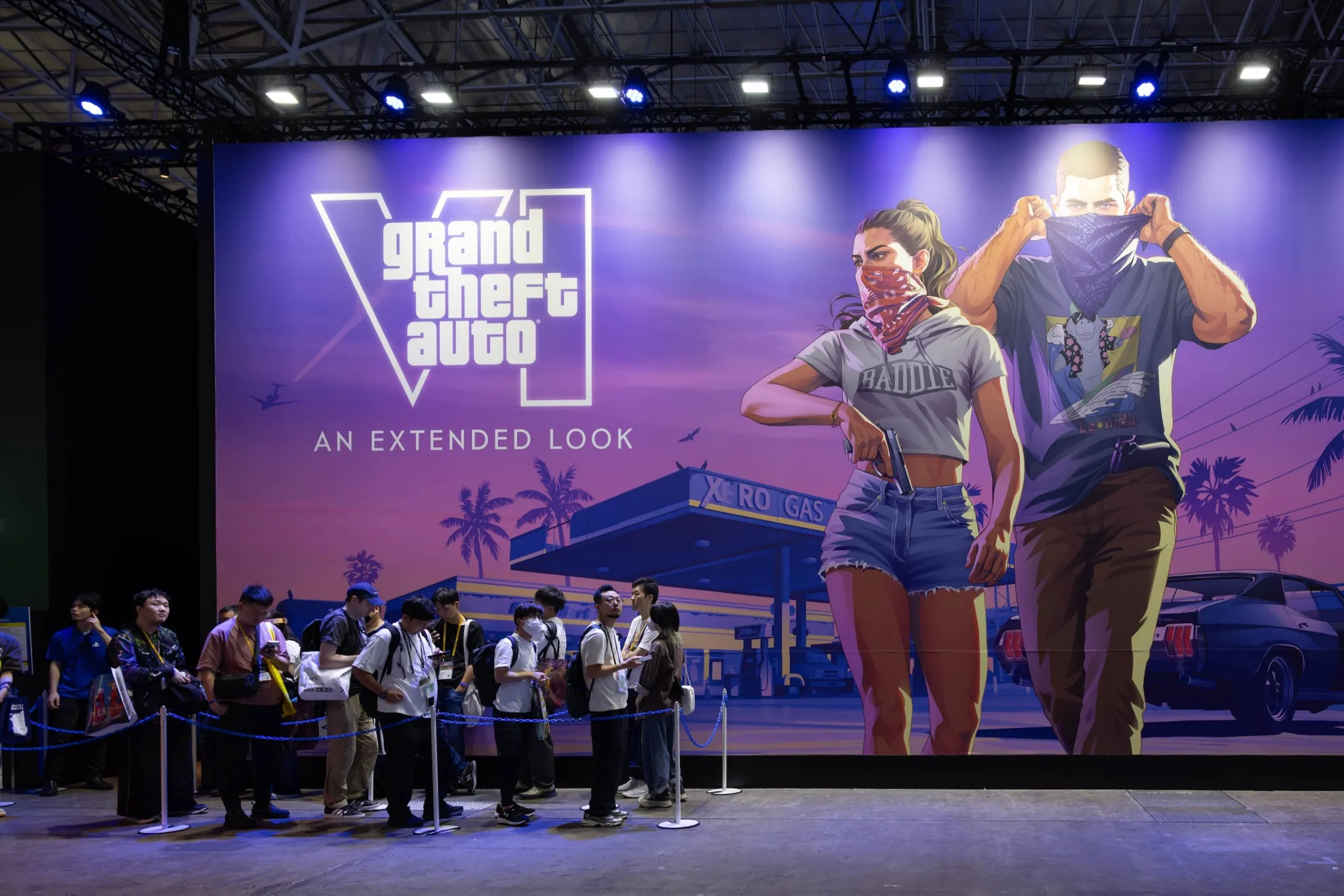
A giant pink sign reading “Welcome to Vice City” now sits on the roof of Miami’s Kaseya Center, installed under a $975,000 agreement with Rockstar Games that landed exactly $25,000 below the threshold requiring county commission approval. The placement has ignited a fight inside Miami-Dade government over whether public property should be sold to promote Grand Theft Auto VI.
The game launches Nov. 19 on PlayStation 5 and Xbox Series X|S. Take-Two Interactive, Rockstar’s parent company, has not disclosed production costs. A ranking compiled by gaming platform Zero1 Gaming estimates the combined development and marketing budget at roughly $2 billion. Market research firm Newzoo projects first-week revenue between $3.25 billion and $5.2 billion based on early pre-order data.
Mayor Daniella Levine Cava can approve contracts under $1 million without a board vote. Her office used that authority for the rooftop installation on Sept. 22. Carlos Suarez, a spokesperson for Levine Cava, told The Miamian that “nothing has been formally agreed to or approved” regarding broader promotional concepts, though he acknowledged the administration viewed the game’s setting as a chance to generate revenue while showcasing the region.


Documents obtained by The Miamian through a public records request show county officials submitted a pitch deck to Rockstar on June 29. It outlined potential activations including a “Vice City Airport” arrival experience at Miami International Airport, Metromover cars wrapped in game branding, custom manhole covers in downtown Miami and Brickell, a mural at PortMiami, and a car-culture festival at Tropical Park.
Sheriff Rosie Cordero-Stutz and Commissioner Juan Carlos Bermudez issued a joint statement on Sept. 3 demanding the county stop using public resources for the campaign. “We should be promoting the Miami-Dade we have worked so hard to build, not a fictional version of our community defined by crime and violence,” Bermudez said. Cordero-Stutz called the franchise “a video game built around criminal activity.” Their release ended with a single line: “Miami-Dade County is not Vice City.”
That opposition stalled further negotiations during the County Commission’s Oct. 6 meeting. Several commissioners, led by René Garcia, objected to the mayor’s staff pursuing paid promotions at county facilities. Commissioner Oliver Gilbert used a procedural move to delay a vote until the board’s Oct. 20 meeting. Commissioners also reminded the administration that any agreement above the $1 million threshold must return to the board.
Neighboring jurisdictions moved faster. The Miami Beach City Commission approved a deal worth up to $4 million in a 4-3 vote on Sept. 10, placing Vice City branding on beach chairs and umbrellas from Oct. 15 through Dec. 31. The City of Miami approved temporary banners worth up to $1.2 million.
Rockstar’s independent stunts continue multiplying. A Goodyear blimp flies in Vice City livery. A convoy of real cars modified to resemble in-game vehicles drives local roads bearing license plates from Leonida, the game’s fictional state. The company partnered with the Miami Heat for “A Night in Vice City,” scheduled for Nov. 18 against the Milwaukee Bucks on a custom court with reimagined uniforms.
Wynwood Walls began offering free admission to Miami-Dade County residents on Oct. 13 through a partnership with Rockstar. The offer runs through 2028 and requires a valid photo ID showing a local address. The outdoor street-art museum says the deal brought 10 new murals featuring original artwork commissioned for the game. The virtual map includes a Wynwood-inspired district called Stockyard.
One U.S. Army unit is already offering soldiers days off to play the title upon release.