Sony Patents AI That Predicts Game Frames Before Rendering
The encoder-decoder architecture uses motion vectors and controller input to bypass traditional interpolation delays.
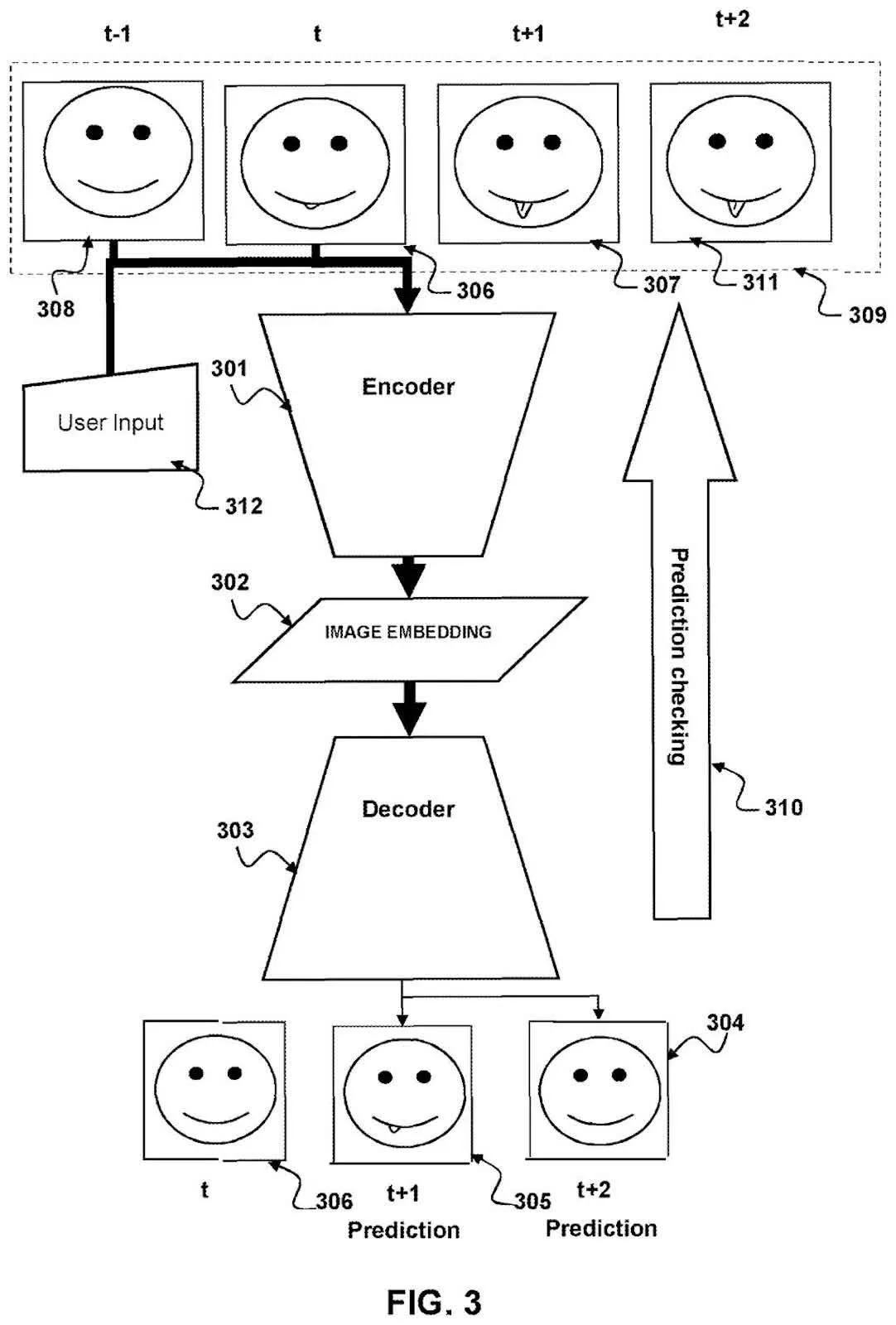
Sony Interactive Entertainment has filed a patent for a machine learning system designed to predict and display a video game’s next frame before the console’s graphics hardware finishes rendering it. The filing details an encoder-decoder neural network that uses recently completed frames and controller inputs to generate predicted images, aiming to eliminate stuttering without adding the latency penalties typical of current frame-generation methods.
The core search intent for gamers and industry watchers is straightforward: how does this differ from existing upscaling tech, and will it actually reduce input lag? Unlike standard interpolation techniques—such as those used in PC graphics cards or TV motion smoothing—Sony’s proposed architecture does not wait for two fully rendered frames to insert an image between them. Waiting for that second frame inherently delays the output. By relying on a single available frame to project what comes next, the system attempts to bypass that bottleneck entirely.
This distinction matters because frame generation has historically traded visual smoothness for responsiveness. Technologies like Nvidia’s DLSS 3 Frame Generation require powerful dedicated silicon to minimize the delay between a player pressing a button and seeing the result on screen. Sony’s patent outlines running the prediction model alongside the primary graphics pipeline. While the GPU renders the actual next frame, the AI processes the previous one and pushes its prediction directly to the display buffer.


The technical mechanism relies on a jointly trained encoder and decoder. The encoder compresses a rendered frame into an embedding—a compact numerical representation of the image data. The decoder then expands that embedding to construct the predicted frame. Crucially, the decoder outputs more color channels than the encoder receives. This asymmetry allows the network to generate multiple predicted frames simultaneously rather than processing them sequentially.
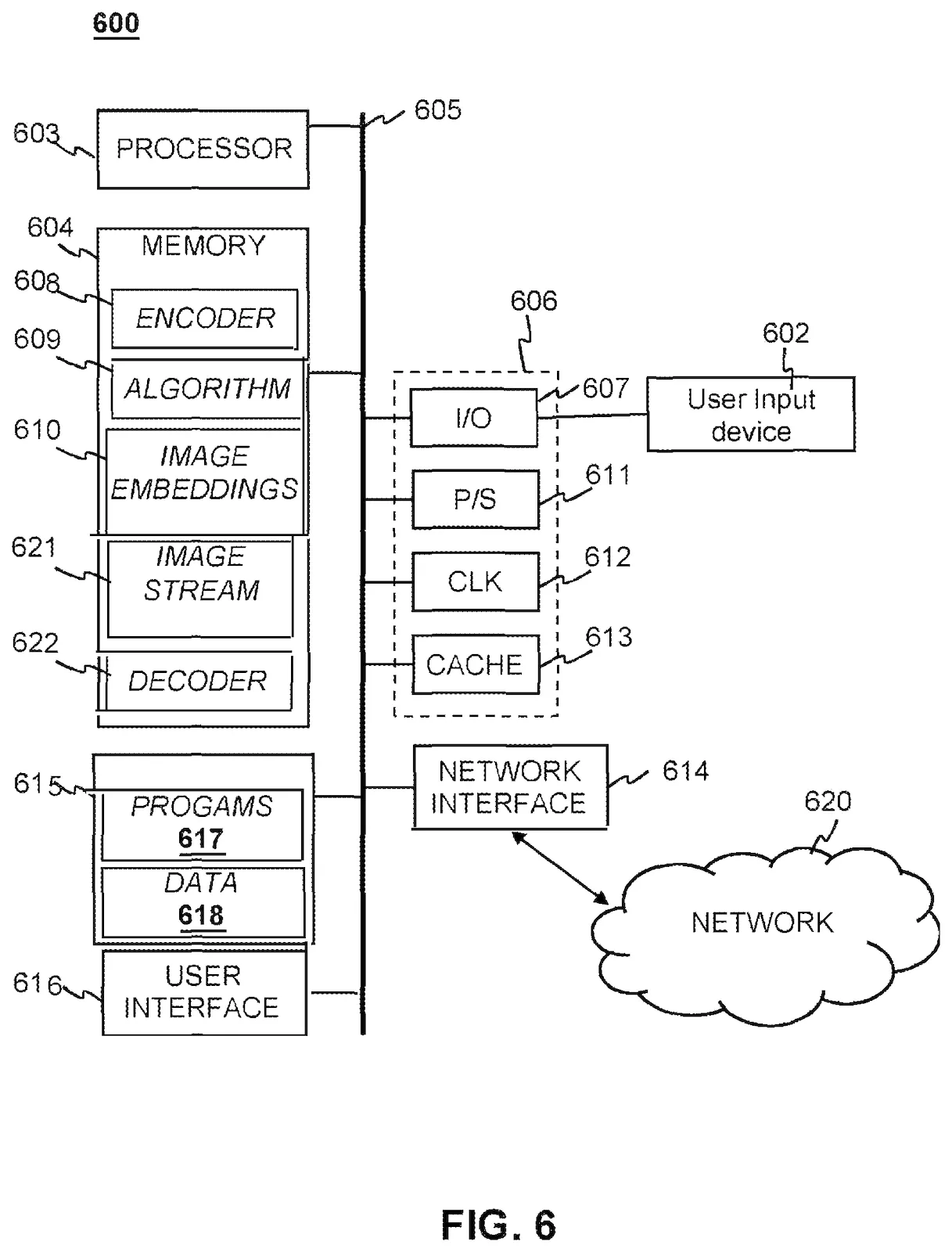
To improve accuracy beyond simple pixel projection, the model ingests motion vectors and recent controller input. Motion vectors provide directional data on where objects are heading within the game engine, while button presses supply context about the player’s immediate intentions. Training the network requires no manual human labeling. The system feeds on consecutive video frames, comparing its generated predictions against the actual subsequent frames to calculate a loss value. The patent specifies checking this loss against a defined threshold during the training phase.
Sony included a fallback mechanism in the filing. Alongside the neural network approach, the document describes a non-AI alternative that shifts pixel blocks according to their motion vectors to synthesize frames without invoking the trained model. Both methods target maintaining a fixed frame delivery rate when rendering performance drops.
The filing contains no benchmark data, latency measurements, or visual quality assessments. Patent applications routinely describe theoretical architectures that never reach consumer hardware. Sony secured a similar patent in 2023 for AI-driven texture upscaling, portions of which eventually influenced PlayStation 5 Pro system software features, but the timeline from filing to implementation typically spans several years. Whether this specific predictive frame architecture will materialize in future PlayStation hardware revisions remains unconfirmed by the company.