Cartels Are Arming Themselves With Stolen U.S. Rental Trucks
Forged freight paperwork and Bluetooth exploits allow syndicates to move heavy-duty American vehicles south before fleet managers detect the losses.
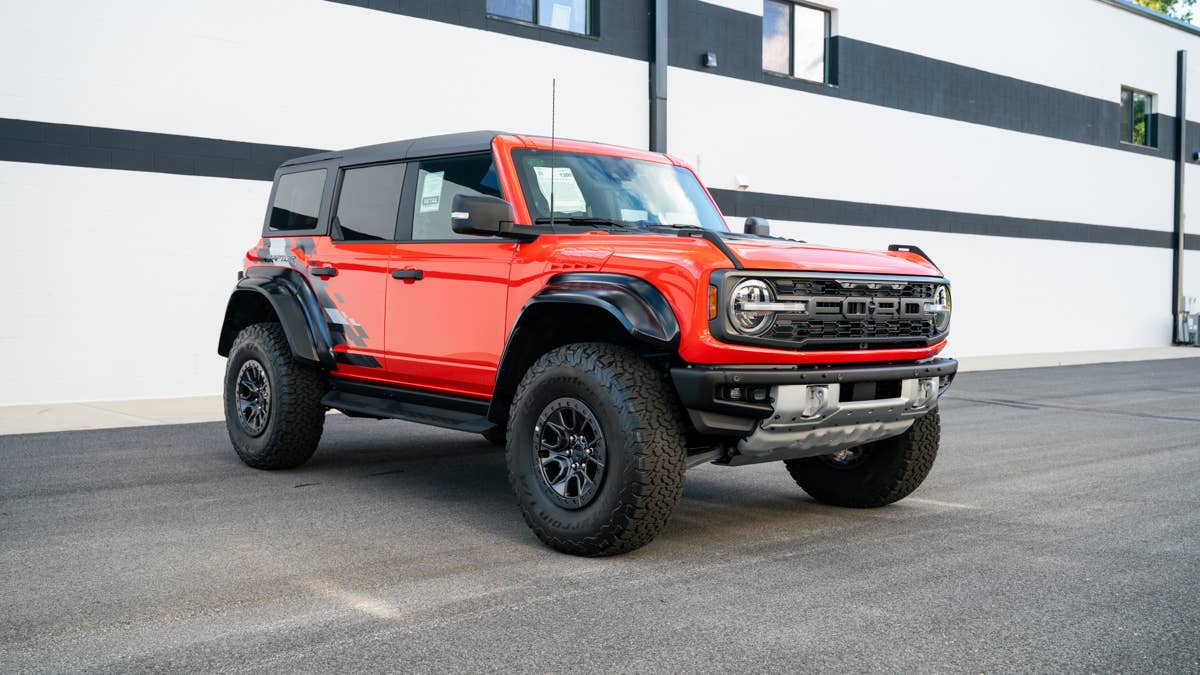
Mexican drug cartels are building armored convoys out of American rental lots. Law enforcement tracking data shows thousands of high-value vehicles crossing the southern border annually, diverted from domestic fleet inventories into the hands of organized crime before rental companies register a loss.
The pipeline relies on the structural lag in commercial fleet management. Renters secure long-term contracts using forged credentials. By the time automated systems flag a missed return, Ford Raptors and Chevrolet Suburbans have already cleared customs checkpoints. Fleet managers depend on GPS pings that frequently drop out near the border, creating a blind spot syndicates exploit with precision. Unlike traditional chop-shop operations that dismantle cars for parts within hours, these networks keep the vehicles intact for immediate tactical use.
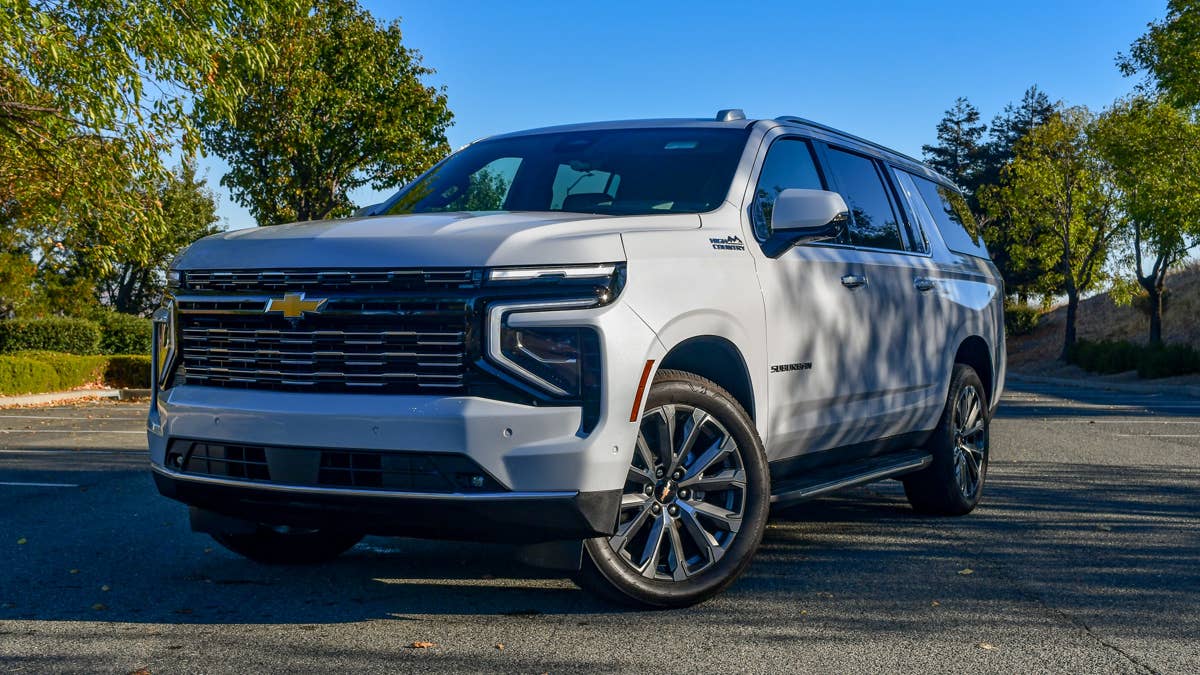


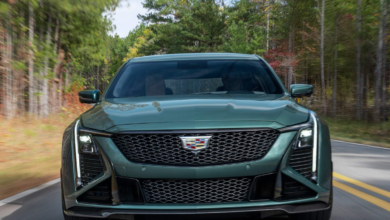
An investigation by the Los Angeles Times detailed how cartel leadership uses these specific models as mobile command centers. The preference for heavy-duty American trucks is logistical. Vehicles like the Cadillac Escalade can bear the weight of aftermarket steel plating and ballistic glass without failing under rough terrain conditions. This mirrors a broader shift in cartel operations over the past decade, where factions increasingly rely on U.S.-sourced commercial hardware rather than military surplus to project force across territories.
Fraudulent freight carriers intercept inventory directly at dealerships. Drivers carrying forged dispatch paperwork arrive to collect six-figure deliveries. Legitimate transport teams show up to empty lots. The stolen trucks head south immediately for armor retrofitting. This method bypasses rental counters entirely, targeting the supply chain at its most vulnerable transfer point. Dealership release protocols often prioritize speed over verification during high-volume delivery windows, a weakness these rings map out in advance.
Software vulnerabilities accelerate the thefts. Researchers identified severe Bluetooth flaws in aftermarket inventory management devices installed by dealerships. External actors use these access points to unlock and start premium trucks without triggering physical alarms. The automotive industry’s push toward app-based logistics effectively replaced mechanical locks with easily manipulated code. Similar digital exploits have compromised keyless entry systems in passenger vehicles for years, but their application to heavy commercial inventory represents a distinct escalation in scale.

Federal export regulations require documentation for vehicles leaving the country, but enforcement at land ports of entry remains inconsistent compared to maritime shipping hubs. Customs and Border Protection processes tens of thousands of vehicle crossings daily, making individual verification of rental status nearly impossible without direct database integration between fleet operators and federal agencies. Until those systems communicate in real time, the physical inspection burden falls on officers who lack immediate access to commercial rental records.