Sweetgreen Cuts Menu Prices Below $15 to Reverse Sales Slide
Same-store sales fell 6.2% last quarter as the fast-casual chain restructures its build-your-own pricing model and targets faster service times.
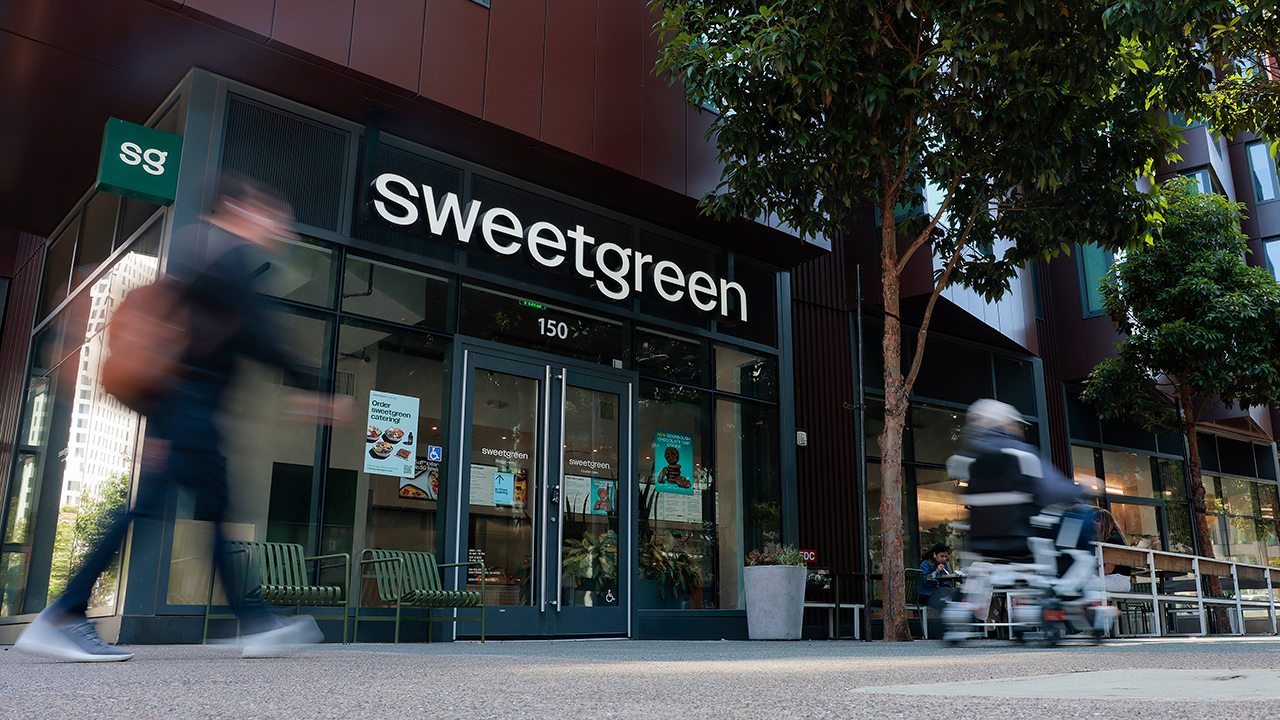
Sweetgreen is overhauling its pricing architecture and introducing a nationwide wrap menu averaging $12.50 as the fast-casual chain battles its steepest same-store sales decline since the pandemic recovery.
The Los Angeles-headquartered company, long associated with premium-priced salads that frequently exceed $20 after customization, rolled out four wraps in May following years of development and regional testing in New York, the Midwest, and Southern California. Every new item carries a sub-$15 price tag, a deliberate threshold Chief Financial Officer Jamie McConnell identified as critical for altering consumer perception.
The strategic pivot arrives amid deteriorating financial performance. Same-store sales dropped 6.2% during the company’s most recent quarter, forcing executives to slash their full-year guidance. Sweetgreen now anticipates comparable sales will fall between 7% and 8% for the year, a sharp downward revision from its prior forecast of a 2% to 4% contraction.


McConnell told The Wall Street Journal that the brand suffered from a psychological pricing problem rather than strictly an absolute cost disadvantage. Because entry-level items were scarce, customers scanning menu boards saw predominantly high numbers, cementing a reputation for expense even when competitors charged similar amounts for equivalent portions.
To dismantle that perception, Sweetgreen is restructuring how it prices build-your-own meals. Historically, a customer starting with a base bowl priced near $10 could accumulate toppings, proteins, and dressings that pushed the final checkout total above $22. The chain is standardizing bundles so diners can secure a protein, two bases, four toppings, dressing, and bread for approximately $13 without encountering surprise upcharges at the register.
This recalibration targets a broader vulnerability across the entire fast-casual sector. Chains such as Chipotle Mexican Grill, Cava Group, and Shake Shack have all navigated intense consumer pushback over cumulative price hikes implemented between 2021 and 2024. During that period, operators raised menu prices repeatedly to offset surging labor costs, agricultural inflation, and supply chain disruptions. By late 2025 and into 2026, traffic growth stalled as diners traded down to traditional quick-service restaurants or grocery-prepared meals.
Macroeconomic conditions continue to squeeze discretionary dining budgets. The Bureau of Labor Statistics reported Wednesday that the Consumer Price Index rose 0.6% month-over-month in September and 3.7% year-over-year, driven largely by energy costs. For restaurant operators, elevated input costs make margin management difficult when simultaneously attempting to lower consumer-facing prices.
Beyond the menu board, Sweetgreen is re-engineering kitchen operations to address another friction point: throughput. CEO Jonathan Neman stated the wraps were designed to deliver more substance and convenience, positioning the brand as an everyday option rather than an occasional splurge. High-volume locations are now dedicating specific workers exclusively to wrap assembly during peak lunch rushes. McConnell outlined a target service time of under five minutes from entry to exit, acknowledging that perceived slowness has historically deterred potential customers.
Founded in 2007 by Georgetown University graduates Nicolas Jammet, Nathaniel Ru, and Jonathan Neman, Sweetgreen built its identity around locally sourced ingredients, seasonal menus, and health-conscious branding. The company went public in December 2021, reaching a valuation near $4 billion before market realities forced a reassessment of its unit economics and addressable market size. Its expansion into hot bowls and grain-based dishes over the past several years was an early attempt to broaden appeal beyond cold salads, but the current pricing intervention represents the most aggressive structural change to its core value proposition.
Sweetgreen operates more than 240 locations across roughly 20 states and Washington, D.C., maintaining a heavy concentration in dense urban centers and affluent suburban corridors where commercial real estate costs remain elevated.
Shares of Sweetgreen closed Thursday at $14.12 on the New York Stock Exchange, down roughly 60% from its initial public offering price.