Six Flags Closes 9 Coasters After Fatal Goliath Ejection
Park operator pulls identical ride models from service across six locations while state inspectors examine lap-bar locking mechanisms.
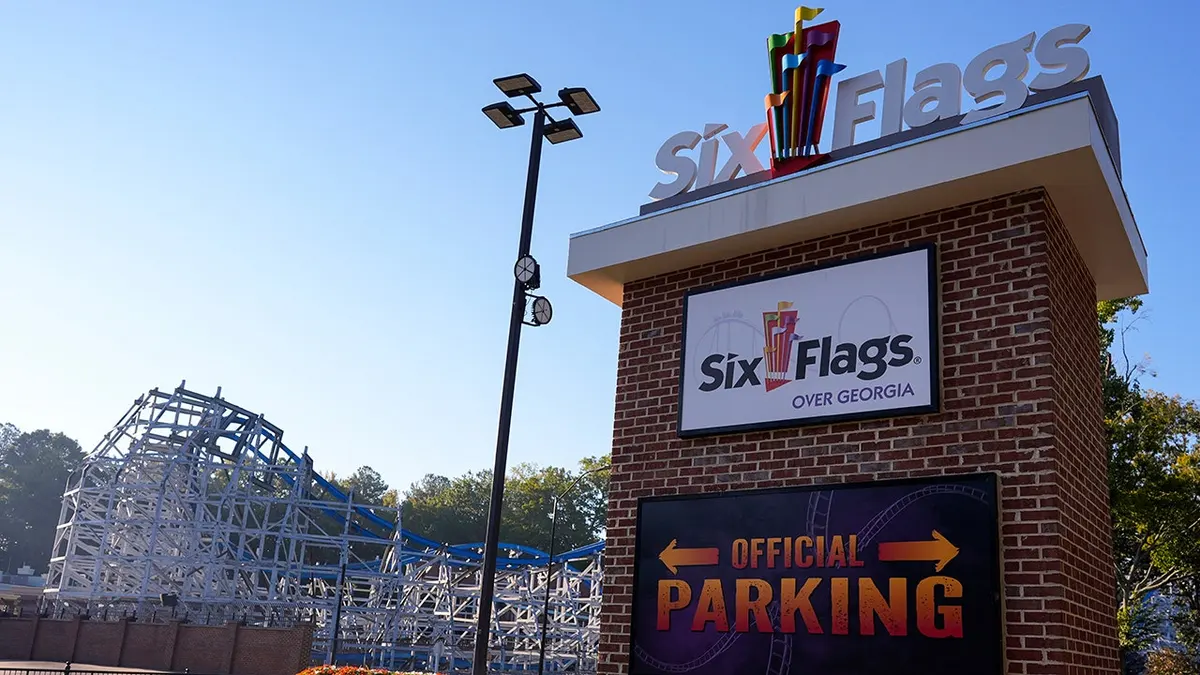
Six Flags has pulled nine roller coasters out of service across six North American parks after a man was ejected from the Goliath ride at Six Flags Over Georgia on Monday, triggering parallel investigations by local police and state safety inspectors.
The preemptive closures target attractions built with the same engineering architecture as the Georgia coaster. The move signals that park operators cannot yet isolate whether the ejection stemmed from a localized mechanical fault or a design vulnerability shared across multiple installations. In the amusement industry, voluntary multi-park shutdowns following a single fatality are rare and typically reserved for situations where identical restraint mechanisms or track dynamics could produce similar failures elsewhere.
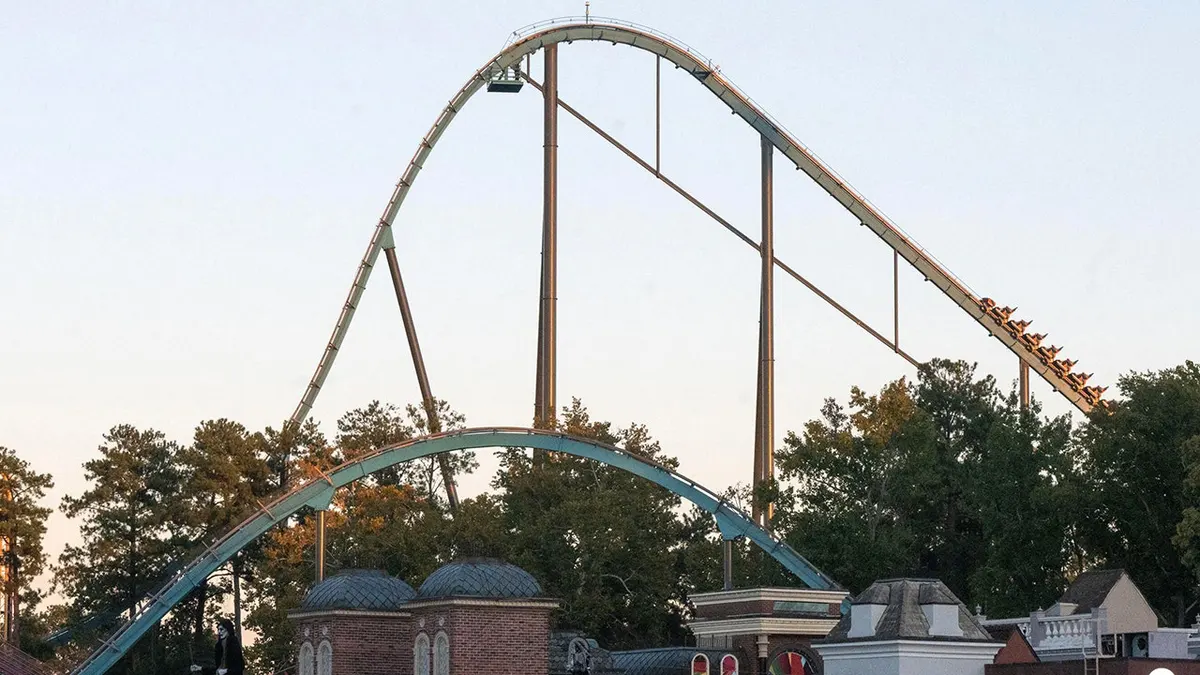
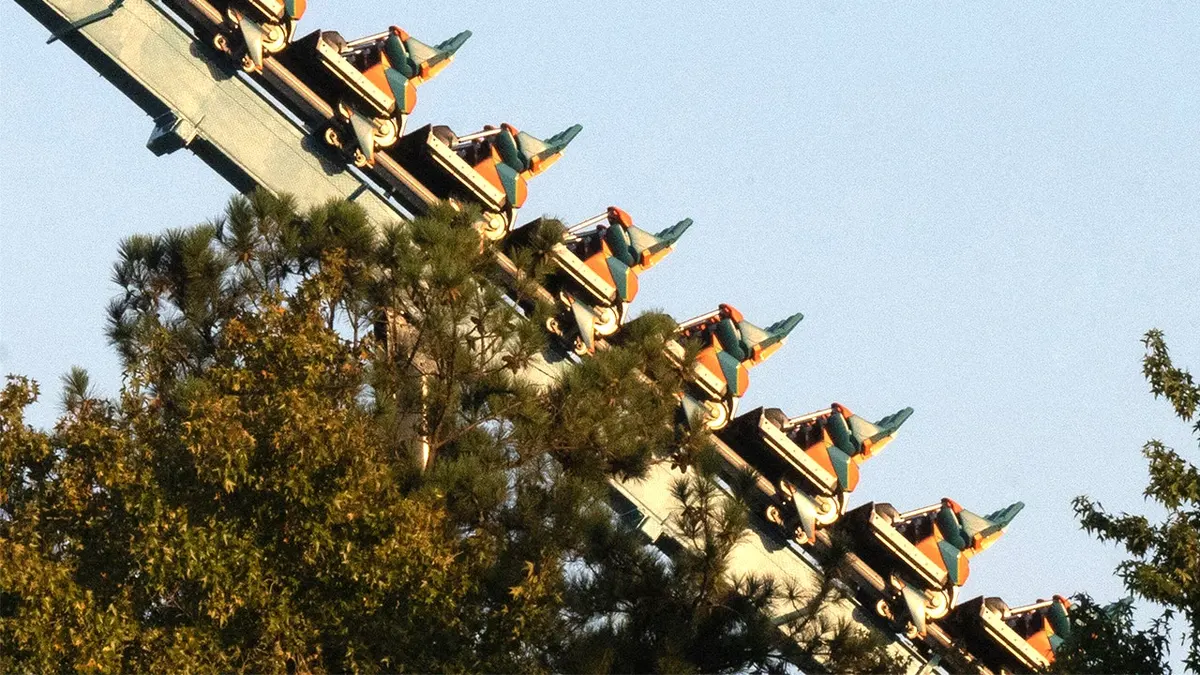
Goliath, which opened in 2006, features a 200-foot initial drop but does not invert riders. Because it keeps passengers upright throughout the circuit, the attraction relies exclusively on lap-bar restraints rather than over-the-shoulder harnesses. Lap bars secure riders across the waist and upper legs, a configuration standard on hypercoasters—rides defined by heights between 200 and 299 feet that prioritize airtime over inversions. While this restraint style maximizes rider freedom and comfort, it places absolute reliance on precise locking tolerances to prevent vertical displacement during high-speed directional changes.


Investigators will now scrutinize the hydraulic or ratcheted locking systems within those lap bars, alongside maintenance logs and daily inspection certifications required under Georgia law. The Georgia Department of Agriculture oversees amusement ride safety in the state, mandating annual inspections and requiring operators to report serious incidents. Determining whether a sensor failed to detect an incomplete lock, or whether a mechanical latch degraded without triggering a system alert, forms the core of the ongoing inquiry.
Fatalities on fixed-site amusement park rides remain statistically uncommon in the United States. According to historical data tracked by the International Association of Amusement Parks and Attractions, the likelihood of sustaining a serious injury on a fixed-site ride is roughly one in 15.5 million visits. When deaths do occur, they frequently prompt intense scrutiny of restraint redundancy, operator training protocols, and the adequacy of state-level regulatory frameworks, which vary significantly across the country.
The legal exposure for Six Flags extends beyond immediate regulatory compliance. Personal injury attorneys note that wrongful death litigation in amusement accidents often hinges on discovery processes that compel companies to produce internal maintenance records, prior incident reports involving the same ride model, and manufacturer communications. If evidence emerges that the park knew of recurring restraint anomalies or deferred scheduled maintenance, liability shifts from an unforeseeable accident toward negligence.
The 2024 merger of Six Flags Entertainment Corporation and Cedar Fair created one of the largest regional amusement operators globally, bringing dozens of parks and hundreds of coasters under unified corporate oversight. Standardizing safety protocols and maintenance schedules across the newly combined fleet remains an active operational challenge, making the uniform response to the Goliath incident a critical test of the merged company’s risk management infrastructure.
Authorities have not released the identity of the victim or confirmed the exact point along the track where the ejection occurred. The nine affected coasters remain closed pending further review.