Lisa Cook’s Lawyer Challenges Fed Removal Panel Bias
Attorney Abbe Lowell demands the postponement of a Nov. 5 hearing and questions the neutrality of a White House panel led by Kevin Hassett.
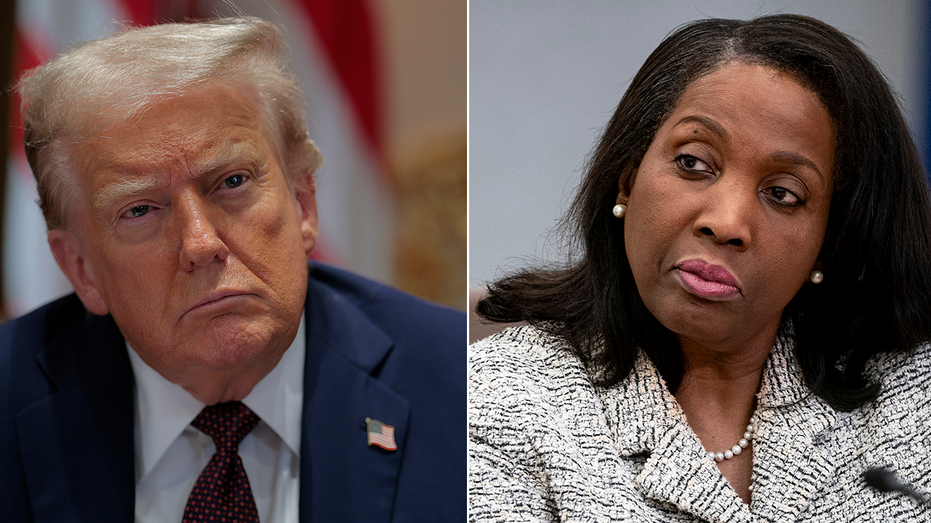
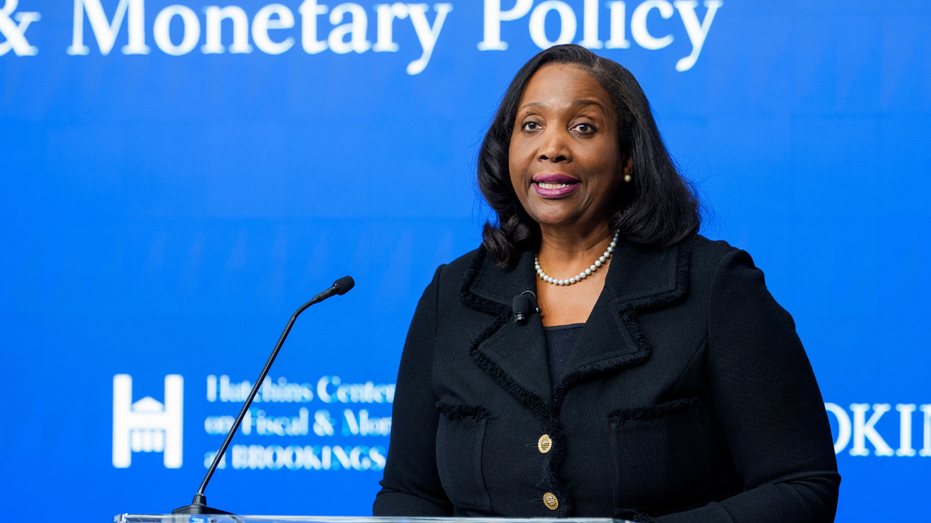
Abbe Lowell, the attorney representing Federal Reserve Governor Lisa Cook, has formally challenged the composition of a White House committee tasked with determining whether President Donald Trump can legally fire her, arguing that the panel is structurally compromised before it convenes.
In an Oct. 13 letter, Lowell targeted the inclusion of National Economic Council Director Kevin Hassett on the three-member investigative body. Hassett previously urged Cook to step aside and publicly suggested Trump had sufficient grounds for termination. Lowell argued that seating a panelist who already advocated for Cook’s departure violates basic standards of impartiality required for such proceedings.
The challenge strikes at the core of a monthslong effort by the Trump administration to oust Cook over allegations she listed properties in both Georgia and Michigan as primary residences on separate mortgage documents. Cook denies committing fraud. Her legal team maintains the Georgia designation was a clerical error and that Michigan was always treated as her actual home.


Trump signed an Oct. 7 memorandum establishing the review committee, which also includes the chairman of the Equal Employment Opportunity Commission and the director of the Office of Government Ethics. Under the memo’s framework, Cook would receive the government’s evidence and be granted up to four hours behind closed doors to mount a defense before the panel issues a recommendation on whether “cause” exists for removal.
Lowell requested that the scheduled Nov. 5 hearing be postponed. Cook is slated to attend official monetary policy meetings in Europe and will remain unavailable through the Federal Reserve’s Dec. 8-9 rate-setting gathering. The Federal Open Market Committee typically enters a blackout period roughly a week before policy meetings, during which governors refrain from public commentary but continue internal preparations. Forcing a disciplinary hearing during this window could interfere with standard central bank operations.
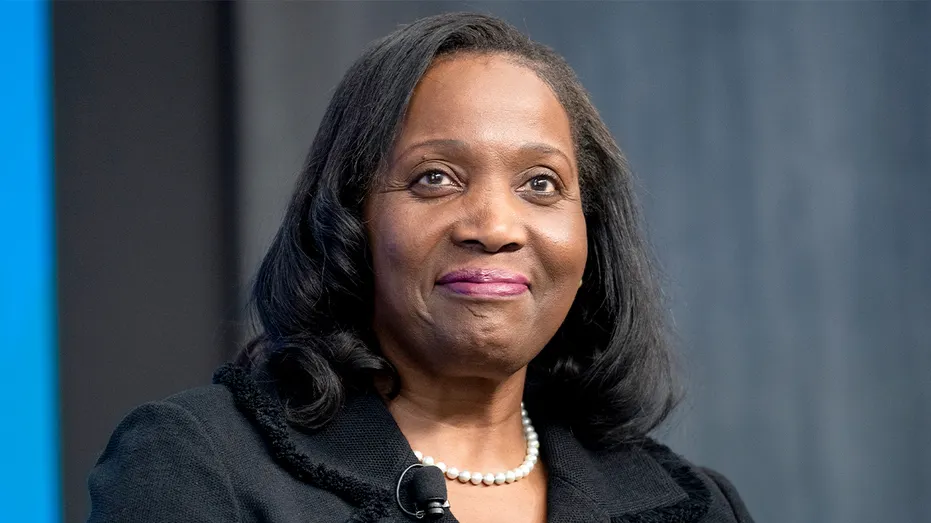
The procedural fight follows a narrow Supreme Court ruling in June. In a 5-4 decision, the justices blocked Trump from firing Cook outright, holding that he must first provide adequate notice and a meaningful opportunity for her to contest the allegations. The Federal Reserve Act of 1913 allows presidents to remove board members only “for cause,” a statutory protection designed specifically to insulate U.S. monetary policy from executive branch retaliation over interest rates.
That insulation has faced intense political pressure throughout 2026. Sen. Mike Lee recently attacked Cook’s public warnings about artificial intelligence driving inflationary pressures, dismissing her economic analysis as “laughably stupid” and alleging the central bank’s rate decisions are calibrated to protect the presidency rather than stabilize prices. Democrats have simultaneously accused Trump of failing to manage inflation, while the White House points to broader economic growth metrics to defend its fiscal posture.
Cook, confirmed by the Senate in 2022, is the first Black woman to serve on the Federal Reserve Board. Her term runs until January 2038. Removing a sitting governor mid-term for alleged mortgage irregularities rather than policy malfeasance or criminal conviction would represent an unprecedented application of the “for cause” standard.
Whether the White House will agree to delay the hearing remains unresolved. If the administration proceeds on Nov. 5 without Cook present, her legal team is widely expected to seek emergency injunctive relief in federal court, triggering another constitutional test of executive authority over the independent central bank.