Lindsay Clancy Mistrial: Holdout Juror Breaks Silence
Defense seeks phone records and domestic violence registry checks as legal battle shifts from the defendant to the jury room
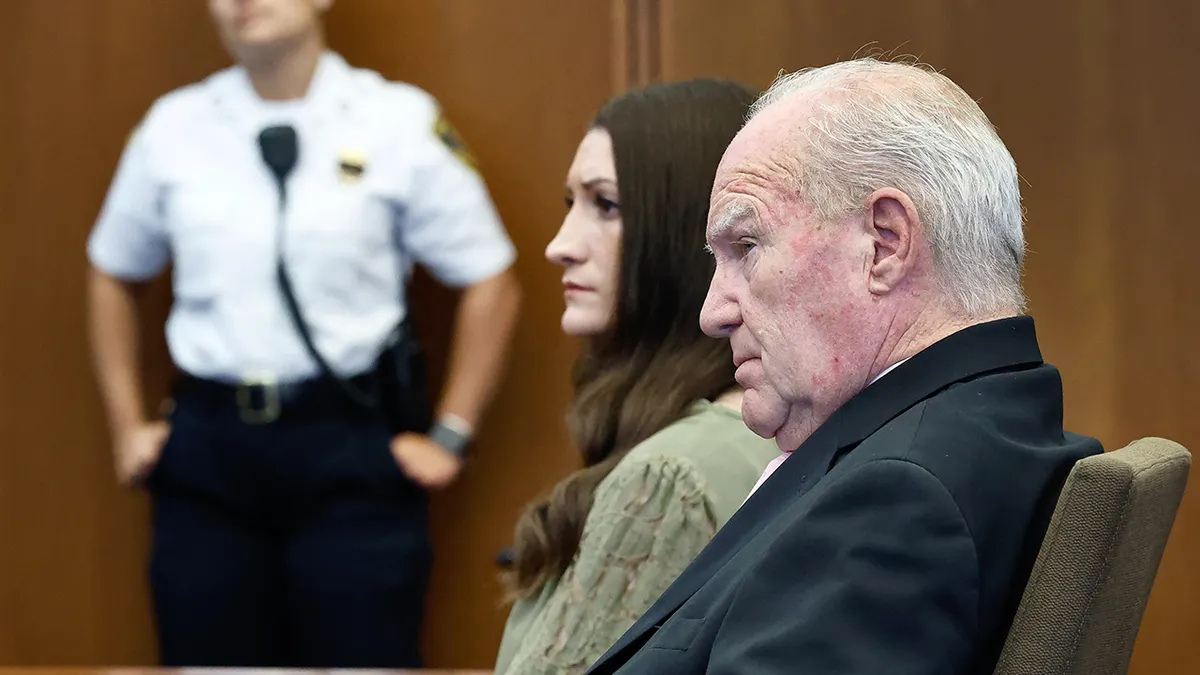
A Massachusetts father who single-handedly blocked an insanity verdict in the Lindsay Clancy murder trial says he relied on extensive evidence to conclude the Duxbury mother deliberately killed her three young children, breaking his silence weeks after the September 4 mistrial.
Michael Desronvil, the only member of the 12-person jury to vote for a criminal conviction, described the January 2023 killings of Cora, Dawson and Callan Clancy as methodical. In his first televised interview, he pointed to courtroom testimony and video evidence that convinced him Clancy possessed the cognitive planning required to carry out what he characterized as an execution. He declined to detail specific exhibits, citing respect for the ongoing legal process.
The deadlock leaves Plymouth County prosecutors facing a complex decision about whether to retry Clancy or accept a not criminally responsible finding based on mental disease or defect. Under Massachusetts law, a defendant found not criminally responsible is typically committed to a secure psychiatric facility rather than prison, subject to periodic judicial review and potential eventual release if deemed no longer a danger. A retrial would require assembling a new jury and relitigating deeply contested psychiatric testimony.


Clancy strangled her children — ages 5, 3 and 8 months — with exercise bands inside their coastal home south of Boston. Prosecutors argued she understood her actions were wrong and acted deliberately. Defense attorney Kevin Reddington maintained she suffered from severe postpartum psychosis, a rare but catastrophic psychiatric emergency distinct from common postpartum depression. Postpartum psychosis affects roughly one to two mothers per thousand deliveries and can produce hallucinations, paranoia and a complete break from reality, often requiring immediate hospitalization.
Desronvil said the 911 call placed by Patrick Clancy, the children’s father, heavily influenced his perspective. He also emphasized his personal connection to the victims, noting he has a 5-year-old daughter of his own.
His refusal to join the other 11 jurors triggered immediate backlash. Following the mistrial, several panelists publicly accused Desronvil of harboring his own reasonable doubt while stubbornly blocking the majority. The jury foreperson alleged Desronvil admitted to doubts yet still refused to sign off on the insanity verdict. Desronvil has categorically denied those claims.
The fallout has transformed a closed deliberation room into the center of a new legal fight. Reddington labeled Desronvil an obstructionist and petitioned Judge William Sullivan to launch a formal inquiry. The defense motion demands preservation of all 12 juror questionnaires, six alternate questionnaires, courthouse hallway surveillance footage outside the deliberation room, daily cellphone sign-in sheets and Desronvil’s phone records during deliberation hours. Reddington is also seeking the holdout’s probation records, entries on the statewide domestic violence registry and disclosure of any contact prosecutors may have had with him as a defendant, complainant or subject dating back to January 2021.
Such sweeping discovery requests targeting a sitting or recently discharged juror are highly unusual in Massachusetts criminal practice. Courts generally protect jury deliberations under strict confidentiality rules to prevent chilling future civic participation. Piercing that veil typically requires a substantial showing of external influence, misconduct or bias introduced during the trial itself, rather than mere disagreement over how jurors weighed the evidence.
Desronvil retained Massachusetts attorney Heather O’Connor to represent his interests. O’Connor previously represented former President Donald Trump in legal matters. Her involvement prompted a postponement of the scheduled hearing on the defense’s inquiry motion.
Eleven jurors voted that Clancy was not criminally responsible due to mental disease or defect. The case remains in legal limbo as Judge Sullivan weighs the defense’s evidentiary demands against established protections for jury secrecy.