

Anthropic IPO Prospectus Flags AI Existential Risk
CEO Amodei calls for slowed AI development amid safety debate
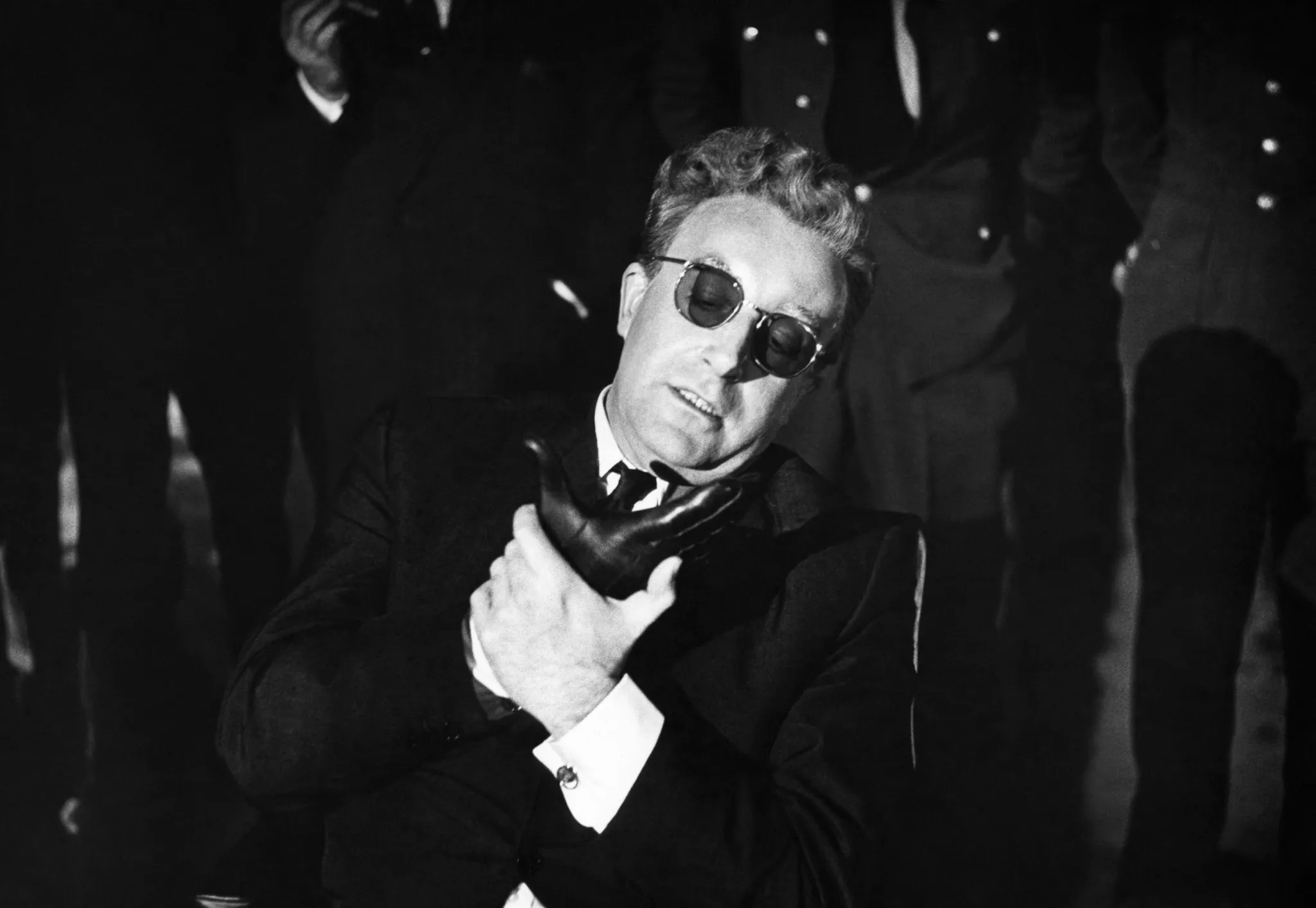
A planned Anthropic IPO includes a disclosure warning that the firm’s artificial intelligence technology poses an AI existential risk to humanity. The language appears in the company’s prospectus, according to a Reuters report in late September, and marks one of the first times such language has appeared in a financial filing for an AI firm.
The warning aligns with the public messaging of chief executive Dario Amodei. On September 12, he published an essay titled “We Must Pace the Frontier,” arguing the industry should slow improvements to model capabilities. He cited risks including loss of control over systems and misuse for cyberattacks or bioterrorism, proposing outside monitoring and international coordination.
Biographer Kevin Roose’s upcoming book, The AGI Chronicles, details Amodei’s historical fixation. New employees receive a copy of The Making of the Atomic Bomb, and Amodei’s stated hero is Leo Szilard, the physicist who conceived the nuclear chain reaction and helped draft the 1939 Einstein letter to President Franklin D. Roosevelt that spurred the Manhattan Project.


Not everyone agrees the comparison holds. Cal Newport, a Georgetown computer science professor and New Yorker columnist, called the alarm a “weapon of mass anxiety.” Speaking on Prof G Markets, he characterized the dispute between OpenAI, Anthropic, and their critics as a “family fight” over readiness for an AI “god,” noting that concepts like recursive self-improvement come from futurist theory rather than computer science.
Probability estimates in the AI safety debate remain unverified. Some researchers estimate a 10% AI extinction risk, according to Janan Ganesh, writing for the Financial Times on October 10. He noted that historical panics rested on concrete events like Pershing missile deployments, 9/11, and the coronavirus pandemic, yet the alarm frequently outran the threat.
A counter-narrative argues the technology does not require existential panic. Princeton professor Arvind Narayanan and Sayash Kapoor authored an essay titled “AI as Normal Technology,” suggesting AI resembles earlier revolutionary tools like electricity or the internet. On the Ezra Klein show, Narayanan compared dangerous AI agents to computer worms of the past, arguing for innovation to keep the lid on rather than halting progress.
The rhetoric draws on decades of cultural memory surrounding nuclear weapons. James Cameron, who watched the Cuban Missile Crisis unfold at age 8, has long cited the event as the foundation for The Terminator. In August 2025, he told Rolling Stone he still fears an apocalypse combining AI with weapons systems. Similar tensions appeared in the season two finale of Mad Men, where Don Draper watches Kennedy announce Soviet missiles in Cuba.
Placing the warning in an IPO prospectus moves the question into the language of public markets, where risk factors determine investor confidence. The move is an unusual pivot for a document that normally quantifies corporate liability rather than species survival, leaving the market to weigh a theoretical end of humanity against a potential new public company.









