OpenAI Tests Visual Ads in ChatGPT Image Generation
Free-tier U.S. users will see graphical sponsor placements before AI-generated images load starting later this month.
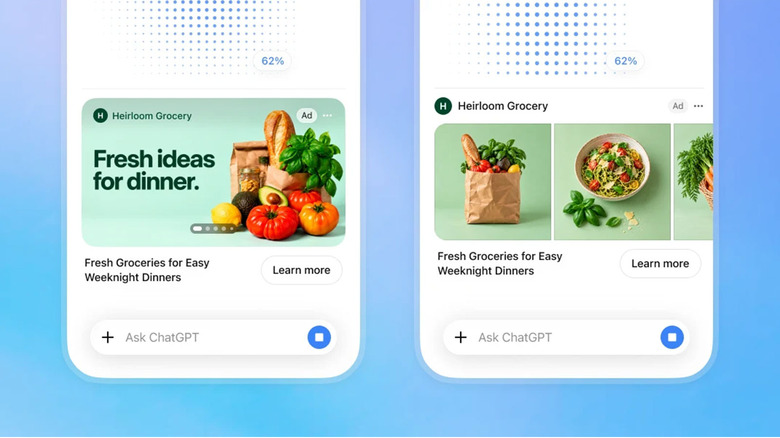
OpenAI plans to introduce visual advertisements inside ChatGPT’s image generation tool later this month, marking the company’s first use of graphical ad formats within its flagship artificial intelligence chatbot.
The test will roll out initially to free-tier users in the United States. When a user prompts ChatGPT Images to create a picture, an advertisement will surface before the generated artwork appears. OpenAI stated that these ads will carry clear labels and remain visually distinct from the AI-generated output itself.
Subscribers to ChatGPT Plus and ChatGPT Pro, along with enterprise customers, are excluded from the rollout and will not encounter advertisements during their sessions.

This move expands an advertising framework OpenAI quietly established earlier this year. In January, the company began displaying text-based sponsored listings beneath standard chatbot responses. Those initial units contained only an advertiser’s name, logo, and a direct website link. By shifting to visual placements tied specifically to image generation, OpenAI is targeting a workflow where users are already thinking in terms of aesthetics, design, and product visualization.
The decision to anchor visual ads exclusively to image requests rather than general text queries reflects broader industry caution around monetizing generative AI. Competitors such as Perplexity have experimented with sponsored citations in search-style answers, but placing graphical ads directly inside creative tools carries different risks. Users generating images for professional or personal projects may view commercial interruptions as more intrusive than a text link at the bottom of a research summary.
To mitigate backlash, OpenAI is restricting the initial visual ad inventory to a select group of unnamed advertisers. The company indicated it intends to experiment with additional formats over time, suggesting this launch serves as a controlled proof-of-concept rather than a finalized ad product.
Contextual safeguards govern where the new ads can appear. OpenAI’s systems are designed to suppress advertising entirely when conversations involve sensitive subjects, including personal health, medical inquiries, or mental wellbeing. The company maintains that ad purchases do not influence the substance or direction of ChatGPT’s generated responses.
Advertising represents a critical revenue variable for OpenAI as it balances massive compute costs against consumer pricing limits. While subscription tiers generate steady income, the free tier relies on alternative monetization to offset the expense of serving millions of daily queries. Integrating ads into high-engagement features like image generation allows the company to offer premium inventory to marketers without altering the core conversational experience for paying subscribers.
The visual ad test begins later this month for U.S. users on the free version of ChatGPT.