
Apple Watch Series 12 and Ultra 4 Unveiled: 5-Second Heart Rate Sampling and Live Audio Rewind Arrive
Apple Watch Series 12 and Ultra 4: Heart Rate Every 5 Seconds, AI Audio Transcription
Apple held its “Surprise and Shine” presentation at its Cupertino headquarters on Wednesday, where it unveiled the Apple Watch Series 12 and Apple Watch Ultra 4. The event introduced a substantial upgrade to the internal biometric sensor array while keeping the external enclosure of the product line unchanged. The new models also bring ambient voice artificial intelligence features to the smartwatch line.
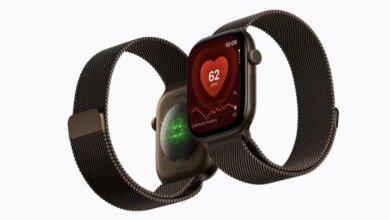
The core of the hardware refresh is an overhauled health-sensing assembly located on the back crystal of the devices. Apple increased the surface area of the electrical heart sensor electrodes to improve skin contact, aiming to deliver higher electrical signal clarity during electrocardiogram (ECG) readings. The Apple Watch Series 12 will carry a starting price of $399, while the higher-tier Apple Watch Ultra 4 is set to begin at $499.
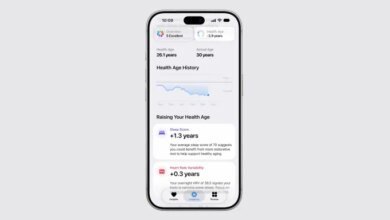
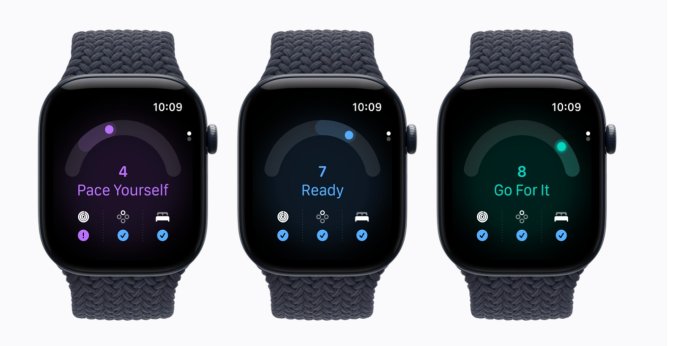
The updated sensor payload feeds directly into two new software metrics: a morning “Readiness Score” and an overall “Health Age.” The Readiness Score aggregates baseline physiological data recorded during the night and preceding days—including sleep duration and quality, resting heart rate, and recent physical exertion—to generate a consolidated numerical indicator each morning. This metric directly adopts a tracking methodology popularized by wearable health devices such as smart rings, which rely on continuous nocturnal vital sensing to evaluate physical recovery.


For optical heart rate measurements, engineers redesigned the underlying photodiode layout, arranging the light-detecting sensors in a circular ring. The configuration operates alongside redesigned green light-emitting diodes (LEDs) optimized for power efficiency. By increasing background heart rate measurements to five-second intervals, the Series 12 and Ultra 4 capture a near-constant stream of cardiovascular data rather than intermittent periodic samples throughout the day.
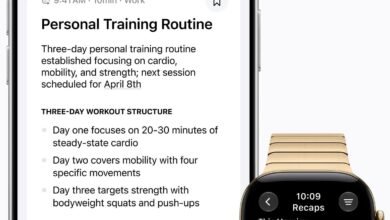
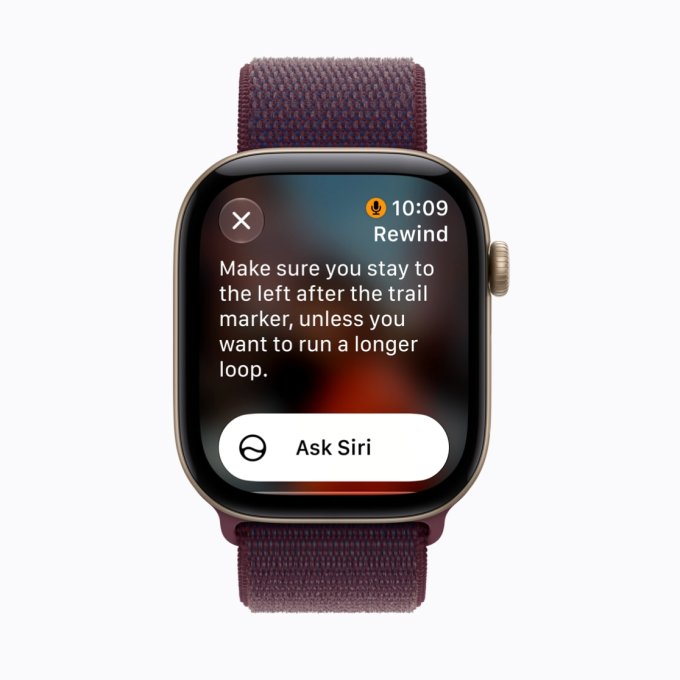
Alongside health tracking, Apple introduced a suite of software tools labeled “Audio Intelligence.” Key among these is “Live Rewind,” a short-term buffer tool that captures active verbal conversations. By double-pressing the watch’s physical Digital Crown, users can scroll back through up to 15 seconds of recently spoken audio. The system instantly generates a text transcript snippet on the display, which can be reviewed, queried via Siri commands, or saved into a dedicated Siri application for future reference.
The Health Age feature evaluates an individual’s biometric profile against their chronological age. The calculation draws on key cardiorespiratory markers, including estimated VO2 max—a measurement of maximal oxygen uptake during physical exertion that Apple incorporated into watchOS fitness algorithms—along with sleep tracking trends and continuous heart rate data captured by the watch sensors.
Apple first introduced optical heart rate monitoring with photoplethysmography (PPG) technology on the original Apple Watch in 2015. In 2018, the company added single-lead ECG capabilities with the Apple Watch Series 4, receiving De Novo clearance from the U.S. Food and Drug Administration to detect signs of atrial fibrillation. Subsequent models introduced blood oxygen monitoring and wrist temperature sensing. The new sensor overhaul represents the latest iteration in Apple’s decade-long development of wrist-based health technology.
For broader meeting and environmental capture, the devices feature “Siri Recap.” Utilizing ambient listening capabilities, the software monitors continuous spoken dialogue during events such as corporate meetings or parent-teacher conferences. Once a conversation concludes, Apple Intelligence automatically processes the context to generate a structured title and summary key points within the new Siri app. Addressing potential data security concerns, Apple stated that these Audio Intelligence features operate without generating or storing permanent local or cloud audio recordings.
The software updates also expand the watchOS accessibility toolset with an upgraded Sound Recognition feature aimed at deaf and hard-of-hearing users. The system continuously analyzes ambient acoustic profiles to identify specific environmental cues, sending immediate visual and haptic alerts when it detects sirens, home security alarms, doorbells, or a crying baby. The feature builds upon Apple’s existing sound monitoring framework within watchOS, which previously focused on measuring ambient noise levels in decibels to protect user hearing.
While the physical industrial designs of both the standard series watch and the ruggedized Ultra model remain unchanged from their immediate predecessors, the combination of high-frequency sensor hardware, ambient conversational AI processing, and redesigned watchOS applications represents a focused effort to centralize daily health monitoring and voice assistant interactions on the wrist. The reengineered optical sensor system measures background heart rates every five seconds throughout the day—a 60-fold increase in sampling frequency compared to previous generations. The combination allows the device to capture reflected light more effectively through the skin, enabling continuous, high-frequency heart rate tracking even during high-intensity physical movement.