Hemp THC Ban Looms as Congress Weighs Regulation Over Prohibition
Lawmakers have until Dec. 11 to replace 0.4mg THC cap with regulatory framework or risk eliminating 225,000 jobs
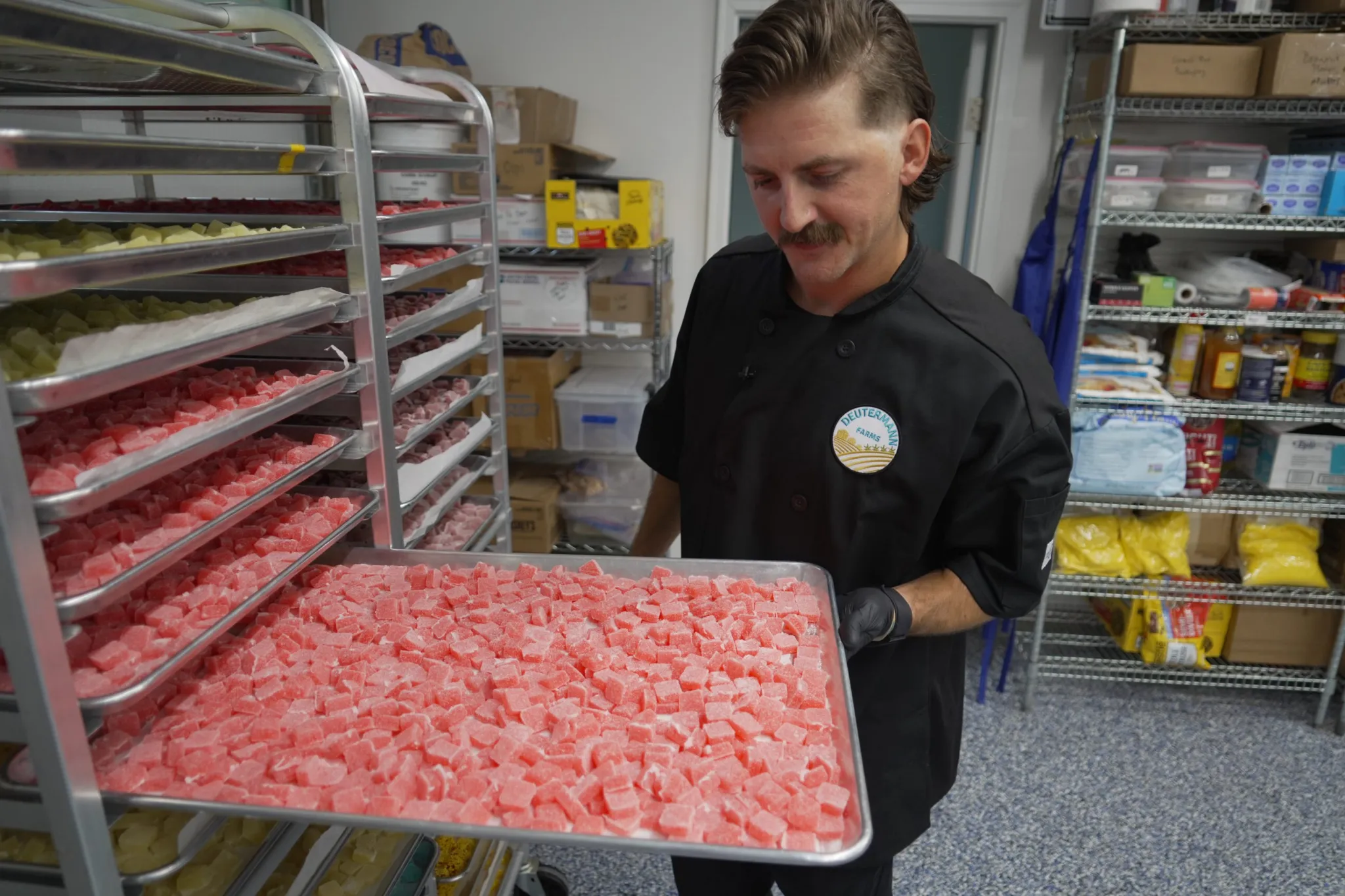
A federal prohibition on intoxicating hemp products is scheduled to take effect Dec. 11, threatening to dismantle a multibillion-dollar sector that has operated in a legal gray area since 2018. President Donald Trump signed a short-term government funding bill last month that delayed the original Nov. 12 enforcement date, providing lawmakers a brief window to replace an outright ban with a regulatory framework for hemp-derived THC beverages, edibles, and smokable flower.
The pending restriction caps total THC at 0.4 milligrams per container, a threshold industry advocates argue is functionally zero for psychoactive products and insufficient even for some non-intoxicating CBD topicals. Without legislative amendment, the limit would effectively end interstate commerce for hemp-derived cannabinoids, distinct from state-legal recreational marijuana markets that operate under separate regulatory regimes.
Senate Majority Leader Mitch McConnell, who championed industrial hemp legalization in the 2018 Farm Bill to create a new agricultural commodity, authored the ban to close a loophole his own legislation created. The 2018 law defined legal hemp by delta-9 THC concentration on a dry-weight basis, allowing manufacturers to produce potent edibles and drinks that technically complied with federal law while delivering impairing effects. This technicality enabled unregulated products to proliferate in convenience stores and gas stations nationwide, often bypassing age verification and safety testing required in licensed cannabis dispensaries.


Economic projections underscore the potential fallout of strict enforcement. A recent analysis by Whitney Economics estimates the ban could eliminate $28.3 billion in annual retail revenue, displace 225,000 workers, and reduce state tax collections by $2.1 billion. These figures reflect a market that expanded rapidly precisely because it avoided the taxation, licensing fees, and compliance costs burdening state-legal cannabis operators.
Industry stakeholders are lobbying for compromise regulations rather than prohibition. Proposals include restricting sales to adults 21 and older, establishing per-package potency limits significantly higher than 0.4 milligrams, and banning synthetic or imported cannabinoids. Kentucky-based Cornbread Hemp, which employs 105 people and projects $65 million in annual revenue across 18 states, has signaled willingness to accept a 5-milligram cap as a viable middle ground. Company leadership warns the current federal limit would force immediate closure.
Opposition to the hemp THC sector extends beyond public health advocates concerned about youth access and untested products. State-licensed cannabis businesses view federally untaxed hemp derivatives as unfair competition that undermines regulated markets. Industry lobbyists for legal marijuana operators argue that hemp businesses built models on a known legal vulnerability and should transition into state-compliant frameworks rather than seek permanent federal exemptions. Some suggest certain products could survive within existing state hemp programs if interstate commerce restrictions are maintained.
Market participants have already begun contingency planning. Manufacturers in states without legal cannabis, such as North Carolina and Wisconsin, face existential uncertainty despite years of operation. Some producers have paused manufacturing or diversified into non-cannabinoid supplements like creatine gummies. Beverage companies have mothballed production lines as founders seek alternative employment ahead of the December deadline.
Alcohol retailers represent an unlikely coalition partner for hemp businesses. Chains including Total Wine & More have reported that cannabis-infused seltzers help offset declining alcohol sales, creating commercial incentives to preserve the category through regulation rather than elimination.
Congress must now decide whether to extend the delay, enact compromise regulations, or allow the 0.4-milligram cap to take effect. The outcome will determine whether hemp-derived THC transitions into a regulated consumer product category or becomes another casualty of federal drug policy misalignment.