ChatGPT Launches Virtual Try-On and Favorites as OpenAI Expands AI Shopping Tools
New features use Images 2.5 model for garment visualization and add persistent saving to address chat interface limitations
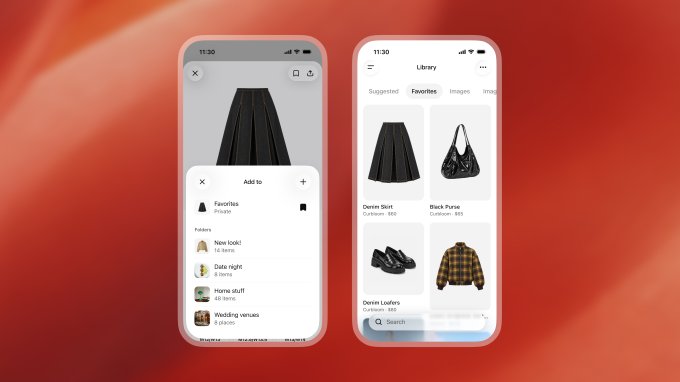
OpenAI has rolled out two new shopping capabilities within ChatGPT, introducing a virtual try-on tool powered by its latest image generation model and a favorites system for saving products. The global launch marks the company’s latest attempt to establish a foothold in conversational commerce after earlier experiments with direct checkout failed to gain traction.
The virtual try-on feature relies on the newly released ChatGPT Images 2.5 model, which OpenAI states offers improved texture rendering, more natural lighting, and faster generation times compared to previous versions. Users can upload a selfie or full-body photo and select a “Try On” button within shopping results to visualize garments and accessories. The tool also accepts screenshots of items from external websites, allowing users to test products not natively indexed in ChatGPT’s catalog.
Unlike augmented reality mirrors that overlay 2D images, generative try-on synthesizes a new image based on the user’s photo and the product data. This approach allows for visualization of drape and fit but introduces challenges regarding accuracy. Industry experts note that while generative models have improved significantly, they can still hallucinate fabric patterns or alter garment proportions, potentially leading to returns if the generated image does not match the physical item. OpenAI has not disclosed specific accuracy benchmarks for the new model in retail contexts.


The second update adds a Favorites function, enabling users to save discovered items and generated try-on images to a personal library within the app. This addition addresses a key friction point in AI-driven shopping: the ephemeral nature of chat interfaces. By creating a persistent repository, OpenAI is attempting to bridge the gap between inspiration and purchase consideration, mimicking the curation functionality long established by platforms like Pinterest and Instagram.
These features position ChatGPT as a direct competitor to Google, which launched its own generative virtual try-on tool for Search last year using similar diffusion-based technology. Both companies are vying to capture high-intent fashion queries that traditionally begin on social media or visual search engines. However, OpenAI faces distinct headwinds. Its previous instant checkout feature was discontinued due to poor performance, highlighting the difficulty of converting conversational engagement into transactions without the established trust signals of traditional e-commerce platforms.
Consumer reception to AI shopping assistants remains mixed. Recent backlash against agentic AI startups pushing unsolicited product recommendations suggests users are sensitive to perceived advertising disguised as assistance. OpenAI’s current strategy appears to be responding to this sentiment by keeping the new tools reactive and user-initiated rather than proactive.
Beyond the new buttons, ChatGPT continues to support text-based shopping workflows, such as identifying celebrity outfits from uploaded photos or assembling complete looks based on style descriptions. These multimodal capabilities leverage the same underlying vision models powering the try-on feature, creating a unified discovery experience that blends visual and textual search.
The virtual try-on and favorites features are now available to all ChatGPT users globally, though access to the highest-fidelity image generation may depend on subscription tier. OpenAI has not announced plans to reintroduce native checkout or integrate third-party payment processors at this time.