Sony Brings Planar Magnetic Audio to New PlayStation Pulse Headsets
Planar magnetic audio, PlayStation Link, and ANC define Sony’s latest wireless gaming headsets
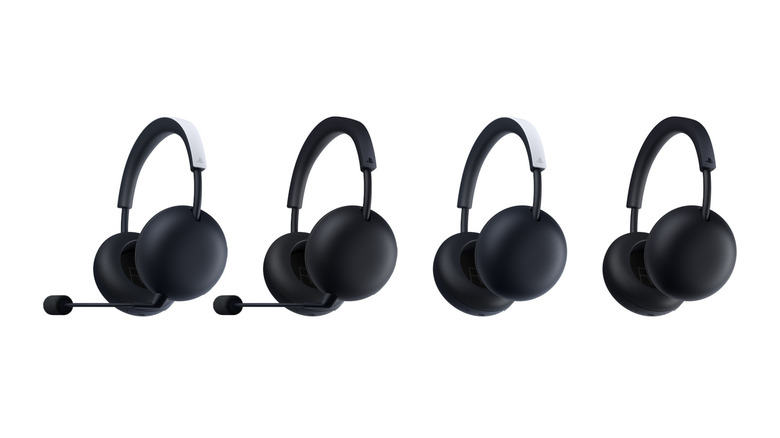
Sony Interactive Entertainment is expanding its proprietary peripheral ecosystem with two wireless headsets: the PlayStation Pulse and the PlayStation Pulse Edge. Both use planar magnetic driver technology derived from Sony’s high-end audio engineering division.
The PlayStation Pulse is the base model, combining planar magnetic drivers with dual-wireless connectivity and integrated noise-rejecting microphones. The Pulse Edge occupies a higher performance tier and uses a reinforced magnetic array with double the magnet density of the standard Pulse model.
Planar magnetic drivers differ from conventional dynamic drivers, which use conical diaphragms driven by central voice coils. The planar design suspends ultra-thin flat diaphragms between magnetic fields and distributes driving force across the diaphragm’s entire surface. This substantially reduces harmonic distortion, improves acoustic response times, and supports precise spatial sound separation and directional audio tracking.


Both headsets support PlayStation Link, Sony’s proprietary 2.4 GHz wireless audio architecture for uncompressed, ultra-low-latency digital audio. PlayStation Link provides native, dongle-free compatibility with the PlayStation Portal handheld streaming device. Dedicated wireless adapters also enable connections with PlayStation 5 consoles, PC, and Mac platforms.
The Edge variant is engineered for expanded dynamic range and deeper low-frequency audio output. It also adds active noise cancellation (ANC) and a detachable boom microphone designed for high-clarity voice capture.
Standard Bluetooth support is included on both models. Their dual-device connectivity allows players to stream audio or handle voice calls from a secondary mobile device while simultaneously receiving low-latency game audio from a console or computer.
Voice processing on the two headsets uses artificial intelligence-enhanced noise rejection. Machine-learning models identify and filter repetitive background acoustic interference, including fans, air conditioning units, and ambient room noise, to isolate the speaker’s voice for team communications.
Sony’s move to integrate planar magnetic hardware into mainstream consumer peripherals follows its August 2023 acquisition of Audeze, a California-based audio manufacturer recognized for developing high-end planar magnetic headphones. The company introduced its first planar magnetic gaming hardware in early 2024, launching the PlayStation Pulse Elite headset at $149 alongside the Pulse Explore wireless earbuds.
Sony has not released specific launch dates or pricing details for the newly announced Pulse and Pulse Edge headsets. The reveal coincides with broader industry developments, including the unveiling of the Audeze Maxwell 2 at the Consumer Electronics Show (CES) 2026, with a retail price of $329.
The hardware additions place the Pulse Edge as a higher-end option within Sony’s audio peripheral matrix.