MacBook Pro Prices Jump $300 as AI Memory Crunch Hits Apple
Inflation-adjusted comparisons show the M5 models still rival 2021 M1 Pro pricing despite the new $300 surcharge.
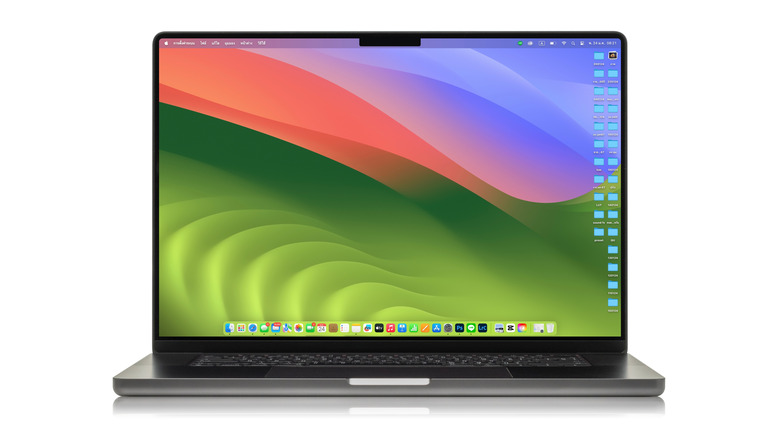
Apple raised the starting price of its 14-inch MacBook Pro to $1,999 and the 16-inch model to $2,999 this year, adding $300 to each configuration after a global memory shortage forced the company to abandon years of stable laptop pricing.
The increases trace directly to surging demand from artificial intelligence data centers. Hyperscalers building training clusters have consumed massive volumes of high-bandwidth memory and advanced DRAM, tightening supply for the broader electronics industry. Component costs climbed so sharply that even Apple — which typically leverages enormous purchasing volume to insulate retail prices — passed the expense to consumers across the entire MacBook Pro lineup.
Before the hike, the current-generation 14-inch MacBook Pro carrying the base M5 chip was priced at $1,699. That figure actually undercut the $1,999 entry point Apple established in 2021 for the 14-inch model equipped with the M1 Pro processor. The 16-inch machine followed a similar trajectory: its pre-increase tag of $2,699 sat just above the 2021 M1 Pro 16-inch launch price of $2,499 before jumping to $2,999.

That 2021 release marked Apple’s first professional laptops built entirely on custom silicon, severing ties with Intel processors and AMD graphics cards. Five years and multiple architectural generations later, the M5, M5 Pro, and M5 Max chips deliver substantially higher processing throughput and graphics rendering capabilities. Apple has also progressively closed the gaming performance gap that historically separated Macs from Windows-based machines, an effort accelerated by hardware-accelerated ray tracing introduced with the M3 architecture in late 2023 and refined in subsequent silicon.
Comparing raw sticker prices ignores five years of U.S. inflation. Adjusted for purchasing power, the $1,999 spent on a 14-inch M1 Pro MacBook Pro in 2021 equates to roughly $2,467 today. The 16-inch model’s $2,499 price translates to approximately $3,084 in 2026 dollars. By that measure, the newly inflated $2,999 cost of the 16-inch M5 Pro model lands slightly below what buyers effectively paid half a decade ago, while the 14-inch remains well under its inflation-adjusted historical cost.
Yet the nominal $3,000 threshold introduces psychological friction for professional buyers weighing whether the larger display and M5 Pro performance justify the premium over the 14-inch alternative. Apple’s decision to equip the entry-level 14-inch with the standard M5 rather than an M5 Pro variant further differentiates the current tier structure from the 2021 strategy, when the baseline 14-inch shipped with a Pro-class chip.
Industry analysts tracking semiconductor allocations expect the memory constraints driving these increases to persist. Major DRAM manufacturers including Samsung, SK Hynix, and Micron Technology continue directing significant fabrication capacity toward enterprise AI accelerators, leaving consumer-grade component supply vulnerable through at least 2027.
Apple reported during its most recent quarterly earnings call that it anticipates memory-related margin pressures to continue affecting hardware pricing into the next product cycle.