Kevin O’Leary warns five-day office mandates could cost companies top talent
He says managers’ termination threats backfired as major employers tightened attendance rules.

Kevin O’Leary says companies that insist employees return to the office five days a week risk losing their strongest workers to more flexible competitors. The venture capitalist and “Shark Tank” investor said managers in his network who threatened to fire staff over office attendance instead saw skilled employees leave.
O’Leary, founder of the investment platform O’Leary Ventures, oversees a portfolio of more than 50 companies employing approximately 10,000 people. After initial pandemic office closures, 55% of that workforce declined to return to physical offices in 2022. Roughly 40% remained fully remote entering this year.
His warning comes as major employers roll back pandemic-era remote-work policies. Amazon instituted a five-day office requirement across its corporate workforce, leading a broader move by large-scale employers to curtail remote arrangements. Instagram chief executive Adam Mosseri mandated that most staff work from corporate offices five days a week in an effort to strengthen company culture. Microsoft’s updated guidelines require corporate staff in the Seattle region to work on-site at least three days a week.

Wall Street institutions including JPMorgan Chase and Goldman Sachs set earlier precedents, requiring executives and general staff to keep regular five-day office schedules to preserve collaboration and oversight. O’Leary argues that employers enforcing such schedules are increasingly left choosing from a less competitive pool of candidates: people who comply primarily because they lack other employment options.
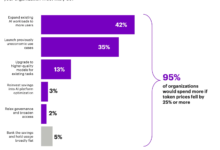
Executives have argued that shared physical space supports culture and productivity, but a Harvard study of labor preferences found substantial resistance to strict on-site requirements. Respondents valued fully remote or hybrid roles enough to accept a pay cut of up to 25% rather than take a compulsory full-time office schedule. O’Leary also rejected the arguments that remote work damages productivity or causes professional isolation, saying workplace loneliness predates remote work and does not justify attendance quotas.
With employees working across international hubs including Los Angeles, Canada and London, O’Leary says pay and advancement should depend on meeting performance targets, not occupying a cubicle. He argues that judging candidates solely on execution gives businesses an operational advantage over those requiring office attendance, particularly as Generation Z professionals enter the labor market. As an example, he cited an entry-level worker in the United Arab Emirates who earned rapid internal promotions within his network by delivering projects on time while working thousands of miles from executive offices.