The $550 Billion Legacy: How Google Transformed a $1.65 Billion YouTube Gamble
Analyzing the 333x value increase since the 2006 Google acquisition.
The acquisition of YouTube by Google in 2006 for $1.65 billion stands as one of the most consequential transactions in the history of the creator economy. While the price tag was considered staggering at the time, new data suggests the platform’s value has since ballooned to an estimated $550 billion, according to a MoffettNathanson research note. This represents a 333-fold increase in value over less than two decades, unadjusted for inflation.
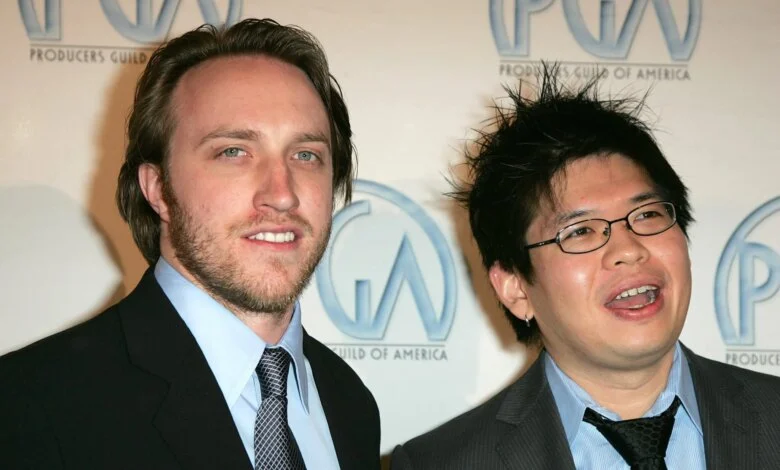
When the deal closed, YouTube co-founders Chad Hurley, Steven Chen, and Jawed Karim received substantial stock payouts. Documents from the Securities and Exchange Commission later confirmed that Hurley, then CEO, received shares worth approximately $345 million. Chen, the CTO, was allocated roughly $326 million, while Karim, who had departed the project early to resume his education, received $64 million. At the time, Hurley characterized the merger as a union between the “king of search” and the “king of video.”
By 2025, the scale of that union became clear as YouTube’s annual revenue topped $60 billion, Variety reported. This performance effectively places the video platform’s individual earnings above the entirety of Netflix. Such growth was fueled by Google’s ability to stabilize the platform against the early threats of operating losses and copyright lawsuits that had plagued the founders during YouTube’s infancy.
The massive valuation gap between the 2006 sale and today’s market reality highlights a recurring theme in the technology sector: the astronomical cost of an early exit. If the founders had retained the same percentage of ownership in today’s market, their individual stakes could theoretically exceed $100 billion each.
This phenomenon is not unique to YouTube. Ronald Wayne, the often-overlooked third co-founder of Apple, famously sold his 10% stake in the company’s first two weeks for a total of $2,300. With Apple now commanding a $4.3 trillion market cap, that same 10% share would be worth hundreds of billions of dollars. Similarly, the legacy of Chef Boyardee saw a 10,000% increase in value between its 1946 sale for $6 million and its 2025 acquisition by private equity for $600 million.
For entrepreneurs, these figures underscore a persistent dilemma. While selling to a corporate giant like Google provides the capital and infrastructure necessary to overcome systemic hurdles, it often requires forfeiting the lion’s share of future wealth created by that very expansion.