
The Electric Car Price Paradox: Why EVs Cost Double in Europe Compared to China
A look into the economic, industrial, and regulatory factors driving the significant price gap for electric vehicles between the two regions.

Many drivers ponder a significant question: why does the same electric car sell for nearly twice the price in Europe compared to China? While export costs and tariffs for vehicles traveling from Asia to Europe contribute, they don’t fully explain such a vast disparity.
This price gap isn’t due to a single factor. Instead, several elements have converged over time, creating distinct economic landscapes in both regions.
Europe operates within a much higher-cost, more heavily regulated environment. China, conversely, has cultivated a favorable ecosystem of incentives, integrated supply chains, and intense competitiveness.
China stands as the world’s largest car market and the leading hub for electric vehicle production. This position stems from a strategic, structural government commitment initiated decades ago, with its results evident today.
The numbers underscore this reality. Sales of New Energy Vehicles (NEVs), encompassing pure electric and plug-in hybrids in China, are projected to exceed 14 million units in 2025. Europe, by contrast, is estimated to reach fewer than 4 million units.
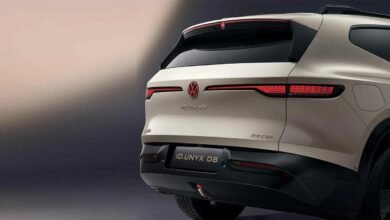
Consider the BYD Seal: it costs approximately €23,000 in China but around €47,000 in Spain. This stark difference traces back to China’s industrial policy, which prioritized electromobility as a strategic focus in the late 2000s.
Brands like BYD are increasing their commitment to electric cars in Europe.
Beijing implemented various measures, including subsidies, tax exemptions, infrastructure support, and purchase incentives. While direct purchase aid has seen reductions, the government continues to provide substantial backing to its industry.
This policy framework allows buyers to acquire cheaper cars and manufacturers to achieve significantly lower production costs. Another crucial factor favoring China is its success in establishing economies of scale and vertical integration in production. The country produces an immense number of electric cars annually, arguably even an excess.
This advantage extends to the core component of electric vehicles: batteries. China firmly dominates global battery production. Its companies control a large portion of the value chain, from manufacturing to raw material processing, enabling them to produce batteries at lower prices.
Over 60 percent of the world’s electric car batteries are manufactured in China, with CATL and BYD leading the way. A substantial portion of the remainder originates from other Asian countries like Korea and Japan, leaving Europe clearly lagging in this sector.

The price differences for the same model sold in China and Europe are abysmal.
Beyond industrial policy, cultural, conceptual, and technological differences exist between the regions. Labor costs, energy prices, and raw material expenses are significantly higher in Europe. Furthermore, Europe’s extensive regulations, including stringent safety and anti-emission standards, also drive up manufacturing costs for automakers.
Chinese cars are often designed for a public prioritizing practicality, functionality, and urban use, which supports the adoption of cheaper LFP batteries. These batteries are gradually gaining traction in Europe, challenging the more expensive NCM batteries that offer greater electric range.
Finally, intense competition in the Chinese market plays a pivotal role. Over a hundred brands vie for market share with their electric vehicles, creating immense price pressure. While this benefits buyers, it erodes manufacturer profitability. Experts predict this price war will ultimately lead to the survival of barely a dozen manufacturers in the long term.