

CEO Bubble Effect: How Executive Perks Distort Leadership Reality
Structural forces and security concerns transform practical accommodations into barriers between executives and organizational reality
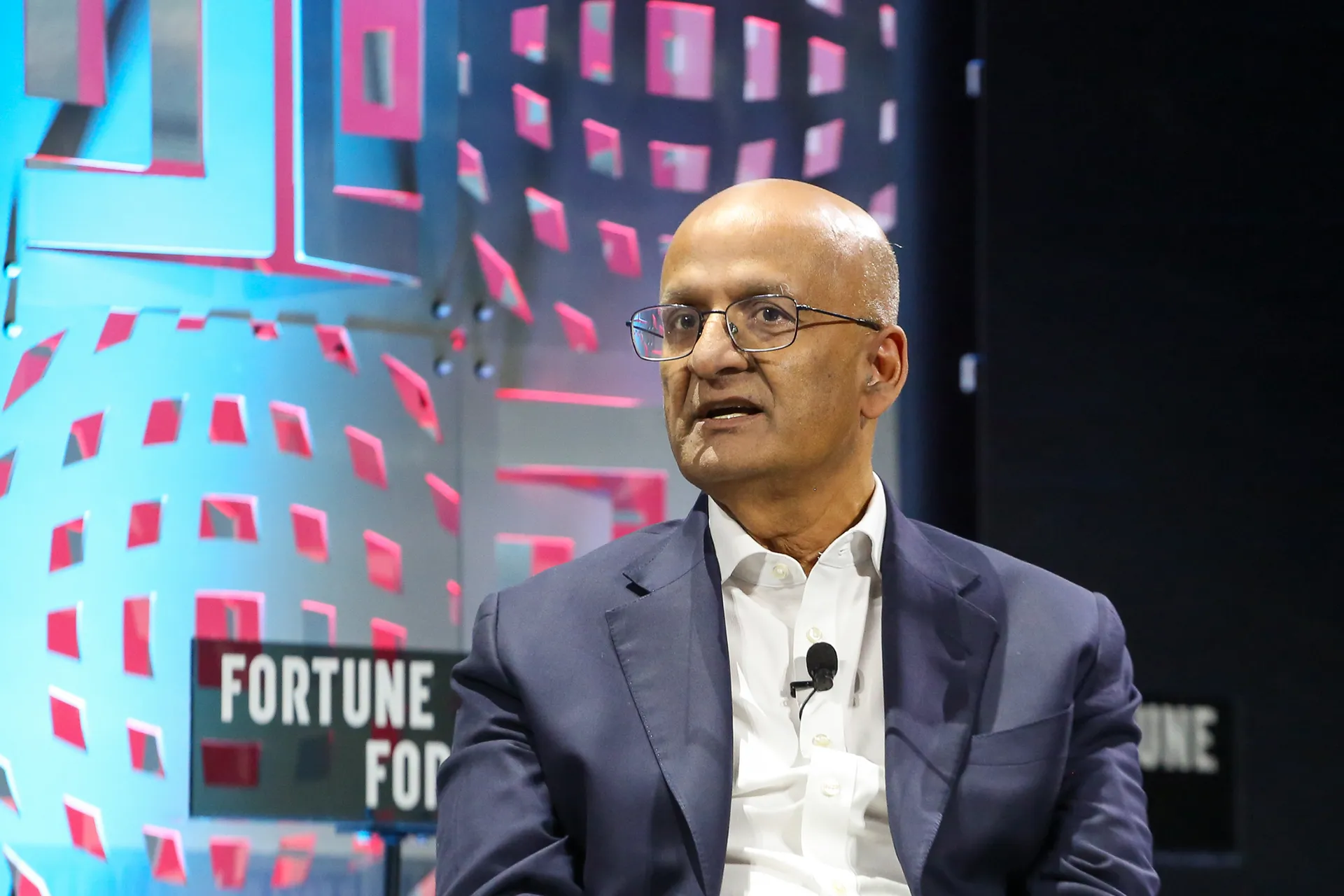
Corporate boards and governance experts are increasingly scrutinizing a subtle but dangerous occupational hazard for chief executives: the gradual normalization of extraordinary privilege. While individual accommodations like private aviation, security details, and personalized staff support are often justified by efficiency or safety, their cumulative effect can sever a leader’s connection to operational reality and employee experience. This phenomenon, described by organizational researchers as structurally induced narcissism, poses risks that extend beyond personal humility to strategic decision-making and corporate culture.
The transformation is rarely abrupt. New CEOs frequently begin their tenures with modest expectations, only to adapt over time as logistical conveniences become baseline requirements. What starts as a practical solution to a demanding schedule evolves into an unexamined standard. Research tracking executive time use indicates that CEOs average 62.5 work hours per week, including weekends and vacation periods, creating intense pressure to optimize every minute. Private travel and dedicated support staff emerge as rational responses to this density, yet they simultaneously insulate leaders from the friction and delays that define daily life for their workforce.
Security concerns have accelerated this isolation in recent years. The December 2024 fatal shooting of UnitedHealthcare CEO Brian Thompson in Manhattan prompted companies nationwide to reassess executive protection protocols. Armed guards, armored vehicles, and avoidance of commercial transit are now widely viewed as necessary precautions rather than luxuries. However, security measures designed to mitigate physical risk also reinforce psychological distance. When safety protocols dictate movement and interaction patterns, the boundary between prudent protection and lifestyle separation becomes difficult to maintain.


Historical precedents illustrate how quickly entitlement can become entrenched. Former General Electric CEO Jack Welch’s post-retirement benefits package, disclosed during divorce proceedings in the early 2000s, included an $11 million apartment, unlimited private jet access, and comprehensive personal services. Though legally negotiated and tied to his tenure’s financial performance, the public backlash forced him to relinquish most perks. The incident remains a benchmark case study in how executive compensation and lifestyle benefits can appear reasonable internally while seeming indefensible externally.
Psychological research distinguishes between inherent personality traits and role-induced behavioral shifts. Harvard Business School professor Rakesh Khurana identifies “structurally induced narcissism” as a systemic outcome of the CEO position itself, independent of preexisting disposition. Constant deference, curated information flows, and institutional alignment around personal preferences reshape perception regardless of initial character. The role generates its own gravity, making objective self-assessment progressively harder without external intervention.
Effective countermeasures require structural safeguards rather than reliance on individual discipline. Governance best practices now emphasize periodic audits of executive accommodations by boards and senior leadership teams. These reviews assess whether each perk continues to serve a legitimate business purpose or has simply become habitual. Equally important is cultivating dissent channels that protect truth-tellers whose careers depend on executive goodwill. Leadership coaches, general counsels, and frontline liaisons can provide unfiltered feedback when formally empowered to do so.
Some executives adopt deliberate friction as a grounding mechanism. Refusing chauffeured transport, using employee facilities during site visits, and maintaining non-professional relationships outside corporate circles serve as reality checks. These choices are inconvenient by design, preserving exposure to conditions that subordinates navigate daily. Leaders who institutionalize such practices report better calibration on morale, customer pain points, and operational bottlenecks.
The emotional dimension of executive isolation receives less attention but carries equal weight. CEOs must absorb organizational stress while projecting stability, creating what some describe as emotional asymmetry. Over time, the sacrifice of authentic expression can foster a subconscious sense of owed compensation. Perks then function not merely as tools but as psychological restitution, further entrenching the bubble. Recognizing this dynamic is essential to preventing legitimate self-care from morphing into disconnection.
Current governance discussions are shifting toward transparency and proportionality in executive support. Rather than eliminating all accommodations, forward-looking boards focus on distinguishing functional necessities from status markers. This distinction matters because the CEO bubble is ultimately a governance failure, not merely a personal one. Systems that allow unchecked accumulation of privilege reflect inadequate oversight, regardless of the leader’s original intentions.









