California Sues Over Trump Fuel Economy Rollback Amid $6.40 Gas
Legal battle centers on whether NHTSA violated 1975 law requiring maximum feasible mileage standards during record gas prices
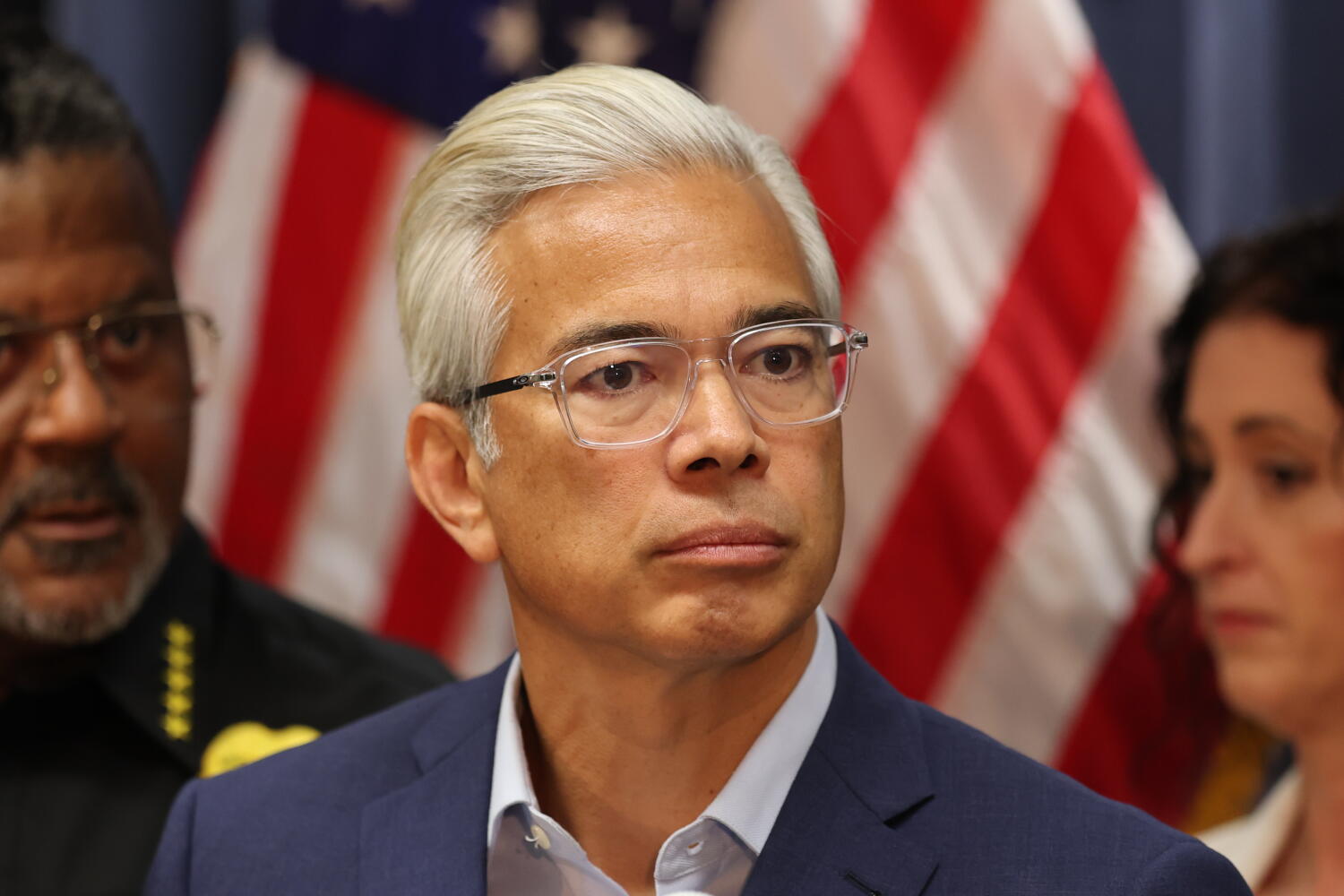
California Attorney General Rob Bonta filed a lawsuit Friday challenging the Trump administration’s reduction of federal vehicle mileage standards, arguing the rollback violates statutory mandates while exposing American drivers to record-high fuel costs. The legal action, joined by 26 states and local governments, targets new rules from the National Highway Traffic Safety Administration (NHTSA) that lower the 2031 model-year fuel-economy requirement to 34.9 miles per gallon, down from the 50.4 mpg target set under the Biden administration.
The litigation arrives as California gasoline prices have surged to an average of $6.40 per gallon, up nearly $2 from a year ago. This price spike, driven largely by global oil supply disruptions linked to the ongoing conflict with Iran since February, underscores the immediate consumer impact of weakened efficiency standards. Plaintiffs argue that reducing fuel economy requirements during an energy crisis directly contradicts the Energy Policy and Conservation Act’s core mandate to conserve energy and protect national security through reduced oil dependence.
At the heart of the legal challenge is whether NHTSA fulfilled its congressional obligation to set Corporate Average Fuel Economy (CAFE) standards at the “maximum feasible” level. Established in 1975 following the Arab oil embargo, this statutory standard requires regulators to balance technological capability, economic practicability, and energy conservation needs. Critics contend the new rule fails this test by setting targets below what the U.S. vehicle fleet already achieved in 2021, effectively reversing decades of progress.


A critical methodological dispute involves how NHTSA calculated feasibility. The agency excluded existing electric vehicles from its baseline analysis, a move plaintiffs describe as a distortion that artificially lowers achievable standards. By ignoring EVs already on the road, the government created a starting point that assumes less available technology than actually exists in the marketplace. This calculation shift is central to the argument that the rulemaking was arbitrary and capricious under the Administrative Procedure Act.
The regulatory change also eliminates a credit trading program that allowed manufacturers like Tesla, Rivian, and Lucid to sell compliance credits to traditional automakers. This market-based mechanism previously generated significant revenue for EV makers while helping legacy manufacturers meet standards without immediate fleet overhauls. Its removal alters the financial calculus for both sectors, potentially slowing EV adoption while increasing compliance costs for companies that relied on purchasing credits rather than improving internal combustion efficiency.
Transportation Secretary Sean Duffy defended the rollback as a correction to what he characterized as illegal mandates that inflated vehicle prices and forced production of unwanted models. NHTSA Administrator Jonathan Morrison stated the revised standards restore integrity to the program by balancing affordability with conservation goals. Automaker Stellantis publicly supported the change, saying it aligns regulations with current market realities after years of shifting consumer demand away from battery-electric vehicles toward hybrids and conventional powertrains.
Opposing analyses paint a different economic picture. The Natural Resources Defense Council cited NHTSA’s own projections showing the weaker standards will cost average new-car buyers approximately $1,600 more in lifetime fuel expenses. Historical data supports the long-term value of strong CAFE standards: Princeton researchers estimated that five decades of fuel economy regulation saved drivers $5 trillion and prevented 14 billion metric tons of carbon dioxide emissions. These savings occurred despite periodic industry claims that stricter standards would prove economically unfeasible.
The California-led coalition represents one of three simultaneous legal challenges filed this week across different federal appellate circuits. Environmental organizations including Public Citizen, the Sierra Club, and the Center for Biological Diversity brought parallel suits in New York and Washington, D.C., creating multiple venues for judicial review. This multi-circuit strategy increases the likelihood of conflicting rulings, which could accelerate Supreme Court consideration of the underlying statutory interpretation questions regarding maximum feasibility determinations.
UCLA environmental law professor Ann Carlson, who served as acting NHTSA administrator under President Biden, noted the unprecedented nature of setting 2031 targets below levels Congress originally mandated for 2020. Her assessment reflects growing concern among former regulators that the current approach abandons the progressive improvement framework embedded in federal law since the Ford administration. The case now rests on whether courts will defer to the agency’s revised technical judgments or find them inconsistent with clear legislative intent.
This marks California’s 97th lawsuit against the Trump administration in just 88 weeks, reflecting an intensifying pattern of state-federal conflict over environmental and energy policy. The outcome will likely influence not only future vehicle standards but also the broader question of executive discretion in implementing technology-forcing statutes during periods of geopolitical instability and market volatility.