

Bitcoin retreated toward $84,500 on Thursday, shedding roughly $3,000 from Monday’s eight-month peak of $87,397 as shifting Federal Reserve expectations injected fresh uncertainty into digital asset markets.
The pullback comes just days after the Federal Reserve delivered its first rate increase since July 2023, lifting the benchmark target range to 3.75%–4% on a unanimous 12-0 vote. The September 16 decision was initially read as a one-time adjustment, particularly after Chair Kevin Warsh paired it with a dot plot showing a median projection of just 4.1% through 2027 — a figure traders interpreted as signaling a limited tightening runway.
That interpretation unraveled quickly. CME’s FedWatch tool now prices a roughly 75% probability of another 25-basis-point hike at the October 27–28 meeting, with December odds hovering near 59%. On prediction platform Myriad Markets, the chance of a year-end hike climbed to 68.5%, a sharp reversal from post-meeting complacency.


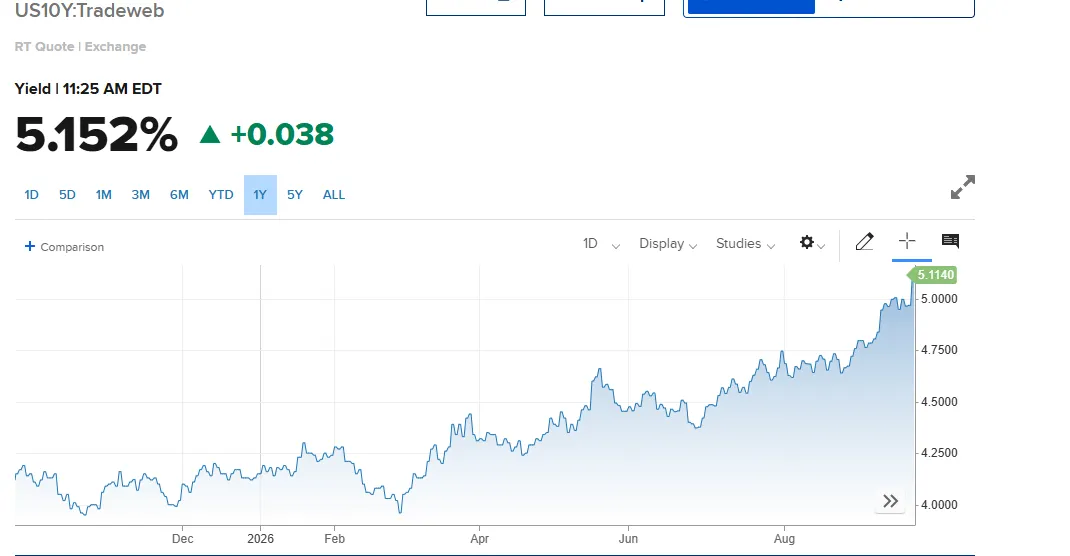
Image: CNBC
Two data points hardened the case for additional tightening. Fed Governor Michael Barr stated Wednesday that further policy adjustments are likely necessary to return inflation to target. On the same day, an S&P Global report showed inflation at its highest level in nearly four years, with core PCE — the Fed’s preferred gauge — sitting at 3.4%, well above the central bank’s 2% goal.
For crypto, the mechanics of a renewed tightening cycle cut in multiple directions. Higher rates strengthen the dollar and improve yields on cash and government bonds, eroding the relative appeal of non-yielding speculative assets. They also tighten market liquidity and raise the cost of leveraged positions — a dynamic that has historically amplified sell-offs in digital currencies during periods of monetary restraint.
Not all digital assets moved in lockstep. Among the top 10 cryptocurrencies, BNB and Solana were the only gainers over the past 24 hours, rising 2.75% to $781.33 and 2.31% to $116.08 respectively.
BNB extended a weekly advance of roughly 11%, a move amplified by Binance’s $100 million purchase of Circle shares — a deal that tied the exchange into five years of USDC growth economics. Solana built on a run to a nine-month high above $117 last week, supported by a ZetaChain community vote in which 99.4% of token holders approved migrating the project’s token and AI application onto the Solana network.
Grayscale’s Smart Contract Fund also rebalanced in a way that favored BNB, assigning it a 30.6% weight that edged past Ethereum’s 29.47% and Solana’s 29.15% to make it the fund’s largest holding. That kind of institutional repositioning is a signal that capital rotation within smart-contract platforms may be widening beyond the usual leaders.
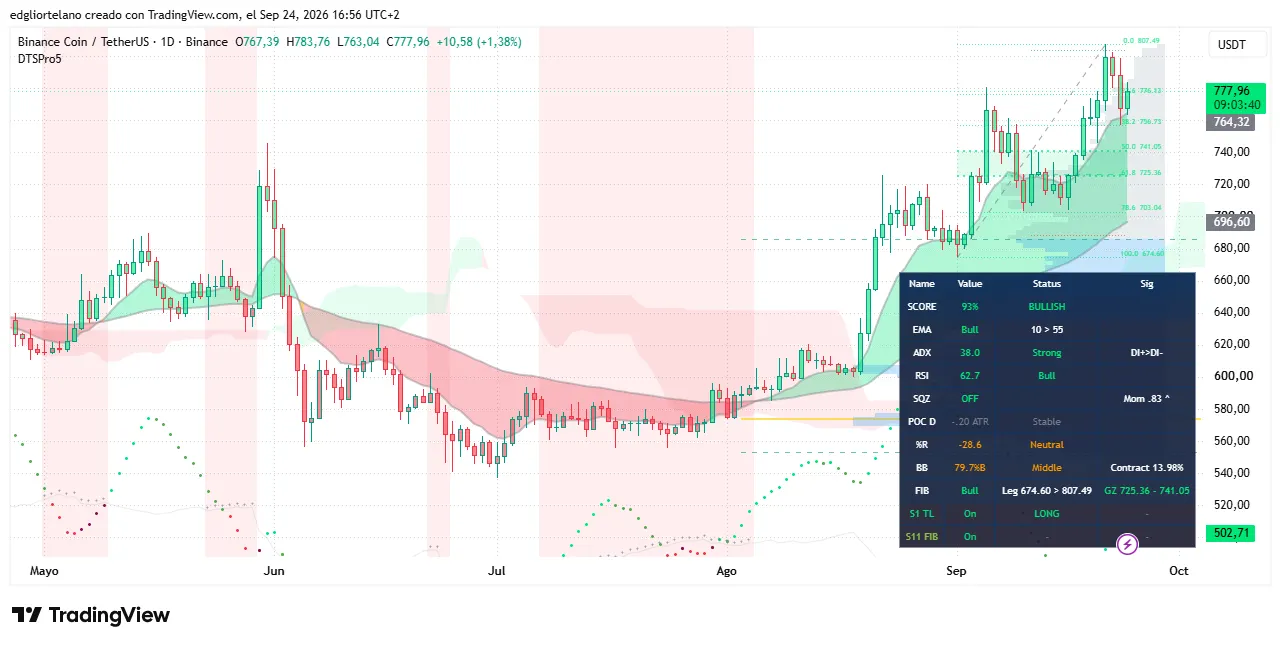
Elsewhere, the picture was softer. Ethereum managed only a 1.42% gain near $2,689, XRP traded essentially flat at $1.52, and Zcash fell 2.5% to $1,527.57 despite having surged more than 2,700% over the past year. Hyperliquid slipped 0.37% to $93.04, giving back part of its recent advance as traders took profits.
Beneath the price action, institutional demand showed signs of resilience. Spot Bitcoin ETFs attracted $998.9 million on Monday — their largest single-day inflow in 11 months — pushing net 2026 flows into the funds positive for the first time this year at approximately $320 million. That suggests portfolio allocators are treating the current dip as an entry point rather than the start of a structural unwind.
Derivatives markets told a more cautionary story. crypto liquidations totaled $348.33 million in 24 hours, with $270.89 million hitting long positions versus $77.43 million on the short side. The imbalance reflects a market still digesting last week’s short squeeze, which left leveraged bullish bets exposed when prices reversed.
Total crypto market capitalization slipped about 2.5% to $2.93 trillion, pulling back from the $3 trillion threshold touched during last week’s rally. The Crypto Fear and Greed Index remained at 73 — firmly in “greed” territory — while the Altcoin Season Index sat at 51, indicating a market roughly balanced between Bitcoin dominance and broad altcoin strength.
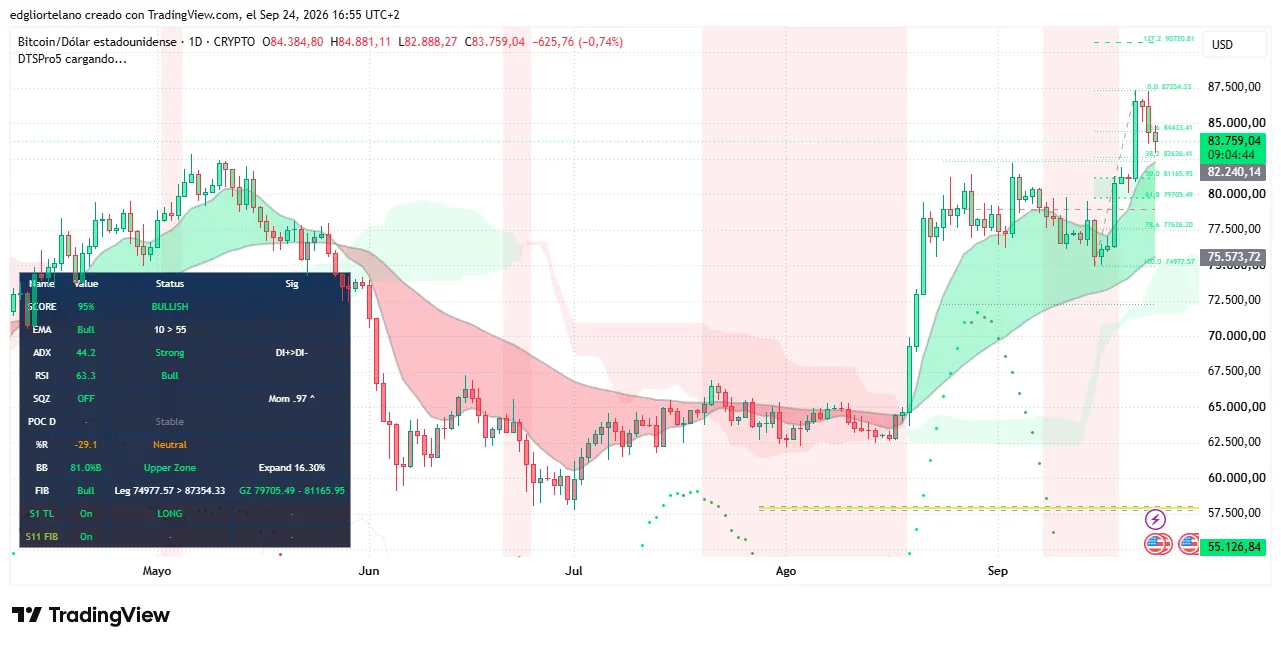
The convergence of sticky inflation data, a hawkish Fed speaker, and a heavy liquidation flush creates a setup where the October 28 rate decision becomes a pivotal event. If the Fed follows through on the 75% probability now priced in, the move would validate the tightening narrative that has kept Bitcoin range-bound below its recent highs. A surprise hold, by contrast, could trigger a rapid reversal — the kind that forced short sellers into liquidation last week and sent Bitcoin racing to its Monday peak.
For now, the market sits in a precarious middle ground. ETF inflows and institutional rebalancing into BNB and other smart-contract tokens point to continued confidence in the asset class. But the macroeconomic clock is ticking, and the next seven days will determine whether this week’s pullback was a routine cooldown or the opening leg of a deeper repricing.




One Comment